
What's Happening?
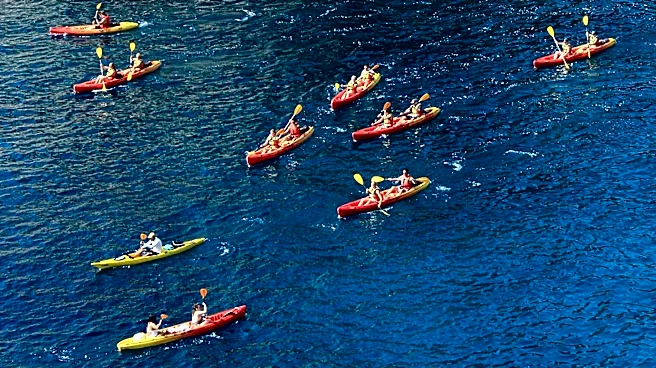
Kayaking tours in Bahías de Huatulco, Mexico, are providing visitors with opportunities for wildlife encounters and cultural experiences. These small-group outings, typically lasting 3-4 hours, are scheduled
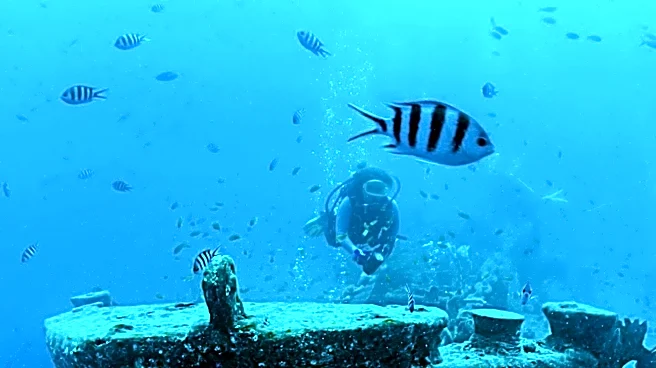
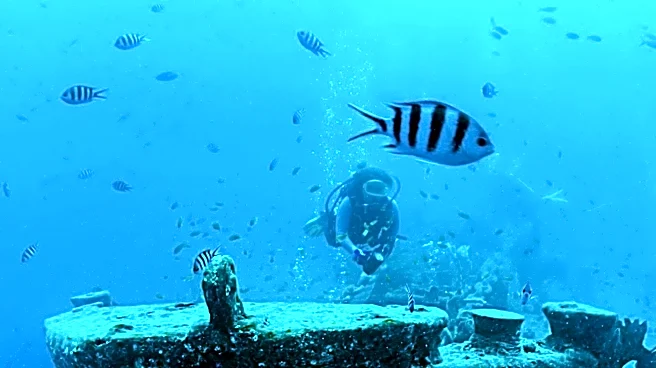
for early mornings to take advantage of calm waters and active wildlife. Participants frequently observe dolphins, rays, green and olive ridley turtles, and migratory whales during the winter months. The tours navigate through nine sheltered bays, carved by tectonic uplift and coastal erosion, which feature rocky headlands, hidden beaches, and coral reefs. Local guides, often from indigenous Oaxacan communities, lead these low-impact tours, sharing stories about the region's history, ecology, and cultural traditions. The tours emphasize responsible tourism, with operators often contributing to conservation efforts like turtle nesting programs and reef monitoring. No advanced technical skills are required, making these excursions accessible to most individuals comfortable with paddling for a few hours.
Why It's Important?
These kayaking tours highlight a growing trend in ecotourism that prioritizes environmental conservation and cultural preservation alongside recreational activities. By offering intimate encounters with marine life without the disturbance of motorboats, the tours promote a deeper appreciation for natural ecosystems. The involvement of local guides ensures that economic benefits directly support the communities that have historically stewarded these areas, fostering sustainable development. This model of tourism can serve as an example for other coastal regions seeking to balance economic growth with ecological responsibility. For tourists, it offers an authentic and educational travel experience that goes beyond typical resort offerings, encouraging a more mindful approach to travel and interaction with local environments and cultures.
What's Next?
The continued popularity of such ecotourism initiatives in Huatulco suggests a potential for growth in similar responsible travel offerings across other biodiverse coastal regions. As travelers increasingly seek authentic and sustainable experiences, demand for tours that combine adventure with environmental education and cultural immersion is likely to rise. Local operators may further develop specialized tours, such as photography-focused trips or those with deeper dives into specific conservation efforts. The success of these tours could also encourage local governments and conservation organizations to further invest in protecting these natural habitats, potentially leading to expanded marine protected areas or stricter regulations on other forms of tourism to ensure the long-term viability of these ecosystems and the communities dependent on them.
Beyond the Headlines
The success of kayaking tours in Huatulco points to a broader shift in tourism values, where travelers are increasingly seeking experiences that offer both personal enrichment and positive impact. This trend challenges traditional mass tourism models by emphasizing authenticity, sustainability, and direct engagement with local cultures and environments. Ethically, these tours promote a sense of stewardship among visitors, encouraging them to become advocates for conservation. Legally, the emphasis on low-impact tourism and local involvement could influence policy-making regarding coastal development and resource management in other tourist destinations. Culturally, the tours help preserve indigenous knowledge and traditions by providing a platform for local guides to share their heritage, fostering cross-cultural understanding and respect. This model suggests a future where tourism can be a powerful tool for conservation and community empowerment.