








What's Happening?
Worcester has recently experienced several new business openings and significant redevelopment projects. Two new restaurants, Jamaican Bites at 169A Lincoln St. and Taqueria Acapulcos at 453 Lincoln St., received common victualler licenses on October
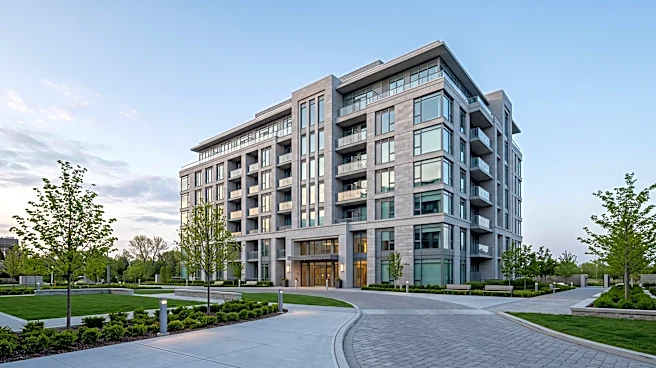
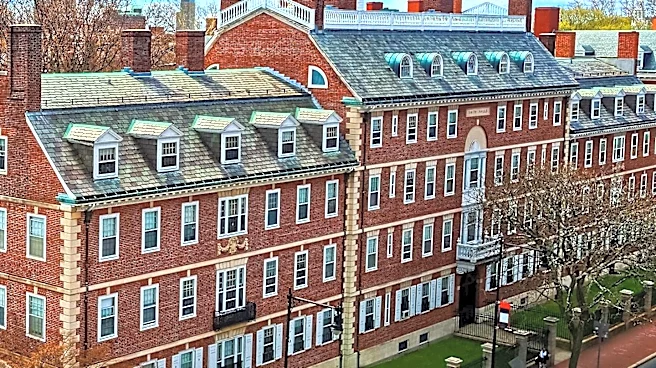
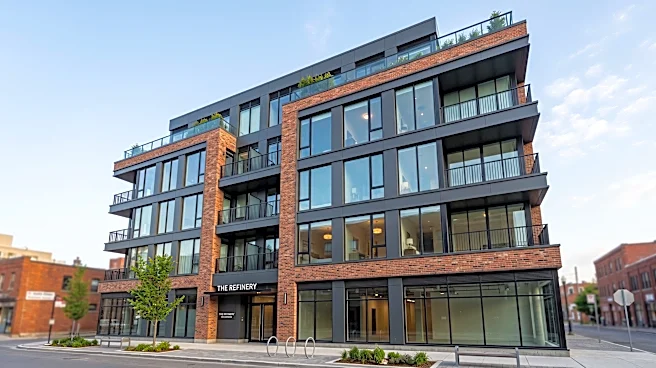
22, allowing them to open. Taqueria Acapulcos is an expansion of a North Grafton food truck business into a sit-down location. Additionally, a new Wetzel’s Pretzels has opened inside the Walmart Supercenter on Tobias Boland Way. In a major community development, Governor Maura Healey joined Worcester officials on October 21 to celebrate the opening of The Residences on Lincoln Square. This $51 million redevelopment project transformed the long-vacant former Worcester Boys Club, which had been empty since 2006, into 80 affordable apartments for adults 55 and older. All units, including 11 designated for residents with disabilities, have already been leased. Developer WinnCompanies preserved the historic structure while constructing an additional five-story apartment building.
Why It's Important?
These developments signify a positive trend in Worcester's local economy and community infrastructure. The opening of new restaurants contributes to the city's culinary scene and creates local job opportunities, enhancing the vibrancy of commercial districts. The Residences on Lincoln Square project is particularly impactful, addressing a critical need for affordable housing for seniors in the area. By repurposing a long-vacant historic building, the project not only provides much-needed housing but also revitalizes a significant community landmark. This initiative supports the well-being of older residents, allowing them to age in place within their community, and demonstrates a commitment to preserving historical assets while meeting contemporary housing demands. The full occupancy of the apartments underscores the high demand for such affordable senior living options.
What's Next?
The successful leasing of all units at The Residences on Lincoln Square suggests a potential for similar affordable housing initiatives in Worcester and other Massachusetts communities. The city may continue to explore opportunities for redeveloping underutilized or historic properties to address housing shortages, particularly for vulnerable populations like seniors. For the new restaurants, their opening marks the beginning of their operations, and their success will contribute to the local business landscape. Continued economic development grants and support for career pathways programs, as mentioned in the broader context of Worcester's activities, indicate an ongoing effort to foster business growth and community improvement.
Beyond the Headlines
The transformation of the former Worcester Boys Club into affordable senior housing highlights a broader trend of adaptive reuse in urban planning, where historical buildings are given new life to serve modern community needs. This approach not only preserves architectural heritage but also offers sustainable solutions to urban development challenges, reducing the need for new construction and minimizing environmental impact. The focus on affordable housing for seniors also touches upon the increasing demographic shift towards an aging population and the societal imperative to provide dignified and accessible living options. This project could serve as a model for other cities grappling with similar issues of urban decay, historical preservation, and housing affordability.