


What's Happening?
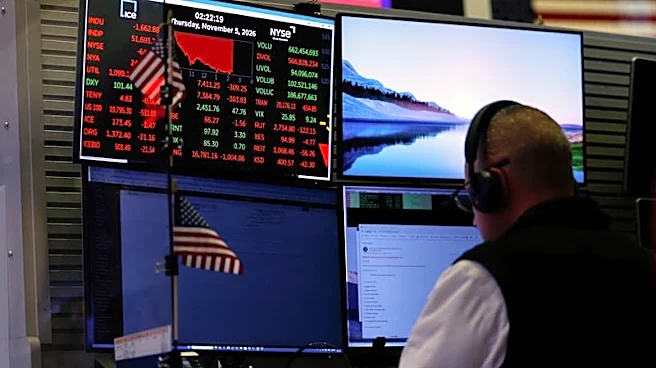
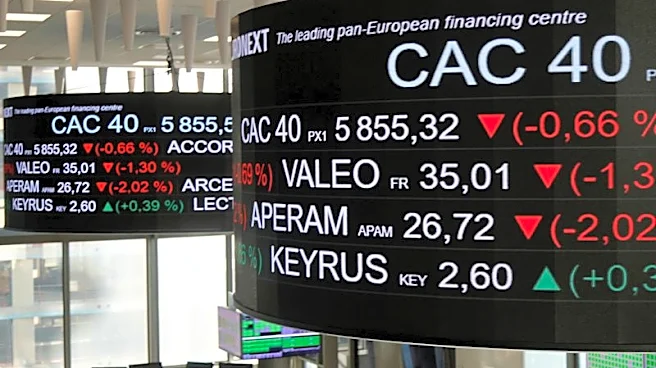
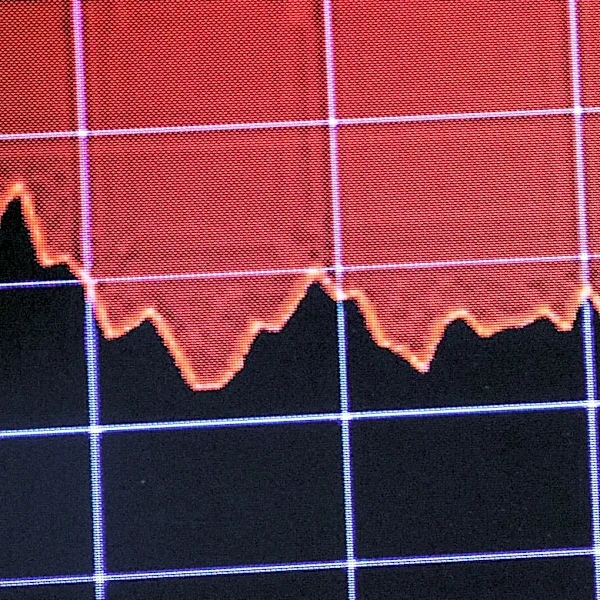
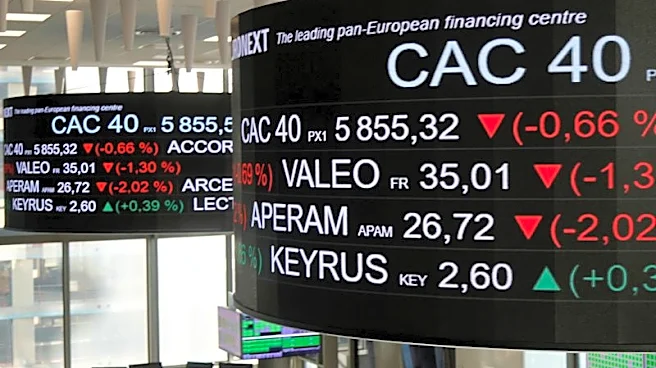
The global market has recently experienced substantial volatility, marked by a tech-led rout that resulted in the Nasdaq's largest single-day loss since March 2020. This downturn triggered rapid cross-border spillovers, particularly impacting Asian markets
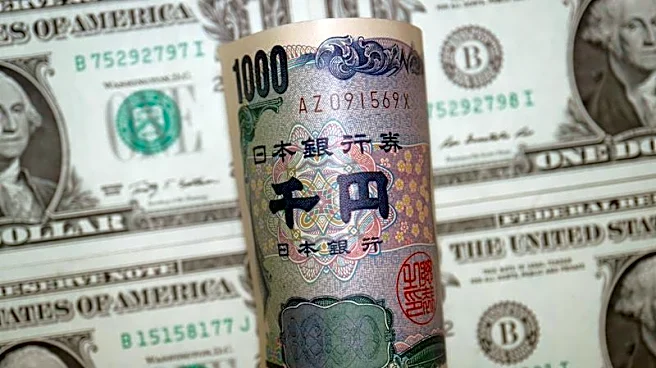
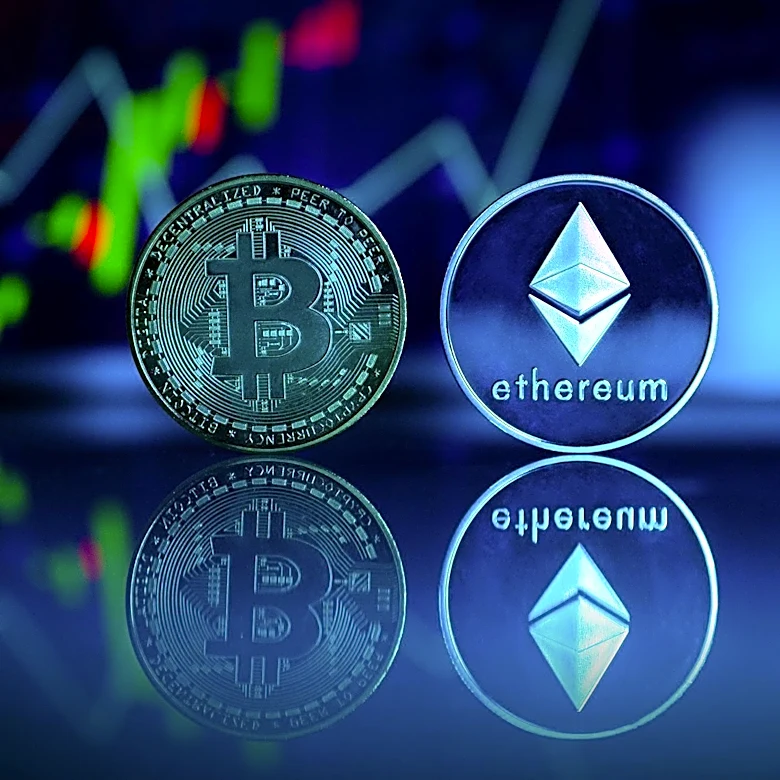
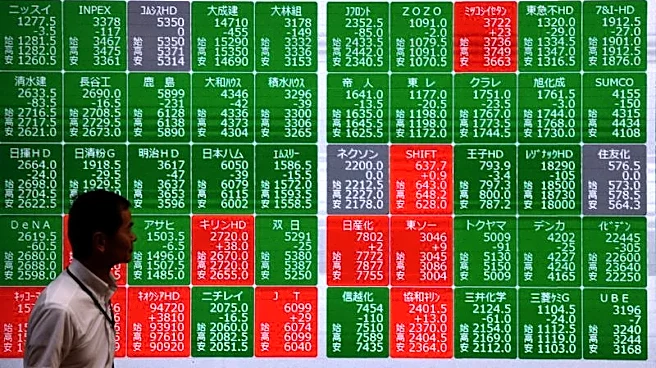
where circuit breakers were activated in Taiwan and South Korea, and Japanese equities also saw notable declines. Concurrently, oil prices dropped sharply, with Brent crude falling below $100 a barrel, as geopolitical risk premiums unwound. This decrease in energy costs contributed to a rally across sovereign bond markets, leading the benchmark 10-year US Treasury yield to ease and finish the week at 4.86%. Gold settled at $4,079 an ounce, while Bitcoin dipped below $80,000. The US Dollar Index (DXY) ended at 102.23, recovering most of its midweek losses. The global fertilizer market was valued at USD 172.38 billion in 2025, with the Asia-Pacific region accounting for USD 73.26 billion.
Why It's Important?
The significant volatility in global markets, characterized by a tech-led sell-off and a sharp decline in oil prices, has broad implications for the U.S. economy and its stakeholders. The Nasdaq's substantial single-day loss indicates a potential shift in investor sentiment towards technology stocks, which could affect U.S. investment portfolios and the valuation of major tech companies. The unwinding of geopolitical risk premiums and the subsequent drop in oil prices below $100 a barrel are generally positive for U.S. consumers and businesses, as lower energy costs can reduce inflation pressures and improve corporate profitability. However, this also signals a potential decrease in demand or an increase in supply, which could impact U.S. energy producers. The rally in sovereign bond markets, with the 10-year US Treasury yield easing, suggests a flight to safety and potentially lower borrowing costs for the U.S. government and corporations. The fluctuation in Bitcoin and the recovery of the US Dollar Index highlight ongoing uncertainties in cryptocurrency and foreign exchange markets, which can influence international trade and investment flows for U.S. entities.
What's Next?
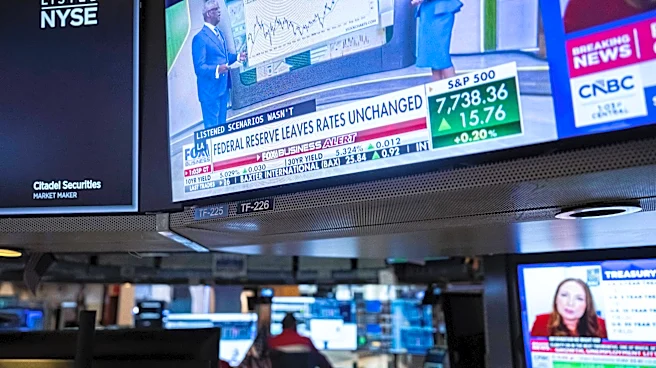
The immediate future will likely involve continued monitoring of global market reactions to the tech sector's performance and geopolitical developments. Investors will be watching for signs of stabilization in technology stocks and whether the decline in oil prices is sustainable or merely a temporary correction. Central banks, including the Federal Reserve, will likely assess these market movements when considering future monetary policy decisions, particularly regarding interest rates and inflation targets. The performance of Asian markets, which experienced significant selling pressure, will also be a key indicator of broader global economic health and investor confidence. Businesses, especially those in the energy and technology sectors, will need to adapt to these shifting market conditions, potentially adjusting investment strategies and operational forecasts. The stability of the US Dollar Index will be crucial for U.S. companies engaged in international trade, as a stronger dollar can make U.S. exports more expensive but imports cheaper.
Beyond the Headlines
The recent market volatility underscores a deeper interconnectedness within the global financial system, where a tech-led rout in one region can rapidly trigger spillovers across continents. This highlights the systemic risks associated with highly integrated markets and the potential for rapid wealth destruction. The unwinding of geopolitical risk premiums in oil prices suggests a re-evaluation of global stability, which could have long-term implications for international relations and energy security policies. The simultaneous rally in sovereign bond markets and the dip in Bitcoin reflect a complex interplay of traditional safe-haven assets and emerging digital currencies during periods of uncertainty. This dynamic could lead to a re-assessment of investment strategies, with a potential shift towards more conservative assets or a re-evaluation of the role of cryptocurrencies in diversified portfolios. Furthermore, the significant valuation of the global fertilizer market, particularly in Asia-Pacific, points to underlying pressures on global food security and agricultural supply chains, which could be indirectly affected by broader economic instability.