







What's Happening?
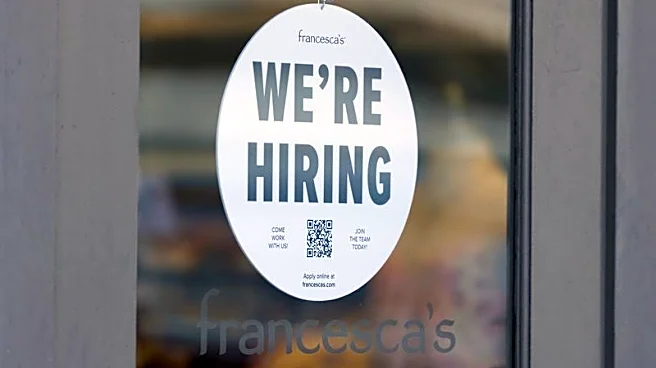
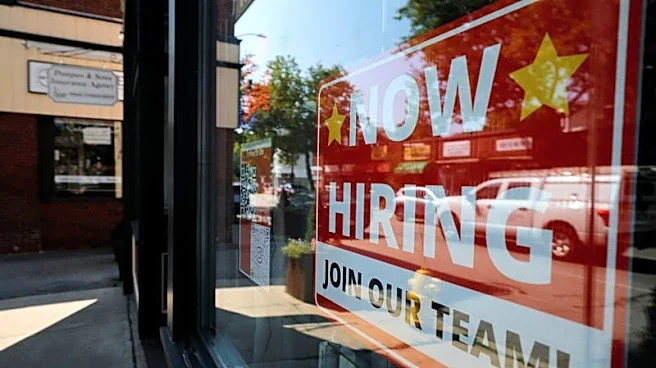
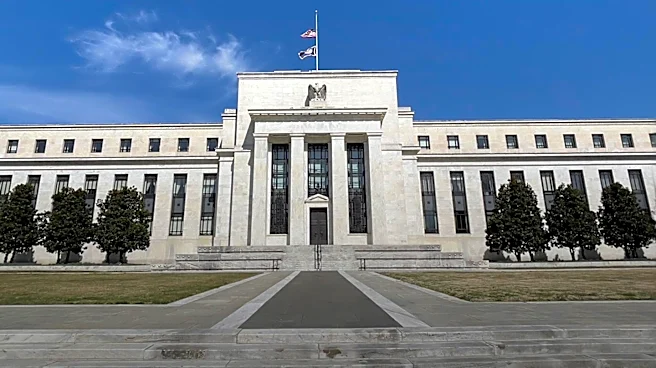
Federal Reserve policymakers are less inclined to raise interest rates in the near term following a report indicating slower job growth in the U.S. economy. The Labor Department reported an increase of 57,000 jobs in June, significantly below expectations.
This slowdown has led traders to reduce the likelihood of a rate hike in July to less than 20%, although a September hike remains likely. The unemployment rate fell to 4.2%, but this was largely due to a decrease in labor force participation.
Why It's Important?
The slower job growth challenges the narrative of a strong labor market and reduces pressure on the Federal Reserve to tighten monetary policy. This could provide relief to sectors sensitive to interest rates, such as housing and technology. The reduced likelihood of a rate hike in July may also support stock market valuations, particularly in growth sectors. However, ongoing uncertainty about future rate hikes could impact market sentiment and economic planning.
What's Next?
Market participants will closely monitor upcoming economic data, including inflation reports, to gauge the Federal Reserve's next moves. The central bank's decisions will likely hinge on a balance between controlling inflation and supporting economic growth. Stakeholders, including businesses and investors, will need to remain vigilant as they adjust their strategies in response to potential shifts in monetary policy.