






What's Happening?
A recent study suggests that adults who grew up in the 1960s and 70s developed the ability to self-soothe, entertain themselves, and tolerate boredom due to the lack of constant parental supervision. The research, discussed on ScienceBlog, indicates that the absence
of structured activities and adult intervention allowed children of that era to develop self-directed executive function. This capacity for self-management and creativity is linked to better outcomes in adulthood, including academic performance and emotional resilience.
Why It's Important?
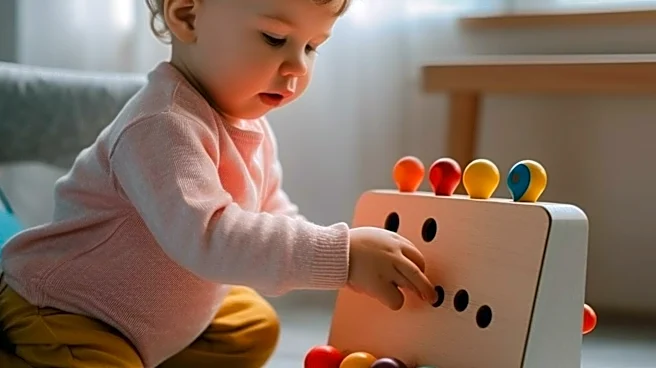
The findings shed light on the long-term benefits of unstructured play and the importance of allowing children to experience boredom. In today's fast-paced, technology-driven world, children often have less opportunity for independent play, which may impact their ability to develop essential life skills. The study highlights the need for parents and educators to balance structured activities with free time, encouraging children to explore their creativity and problem-solving abilities. Understanding the impact of parenting styles on child development can inform modern approaches to education and child-rearing.
Beyond the Headlines
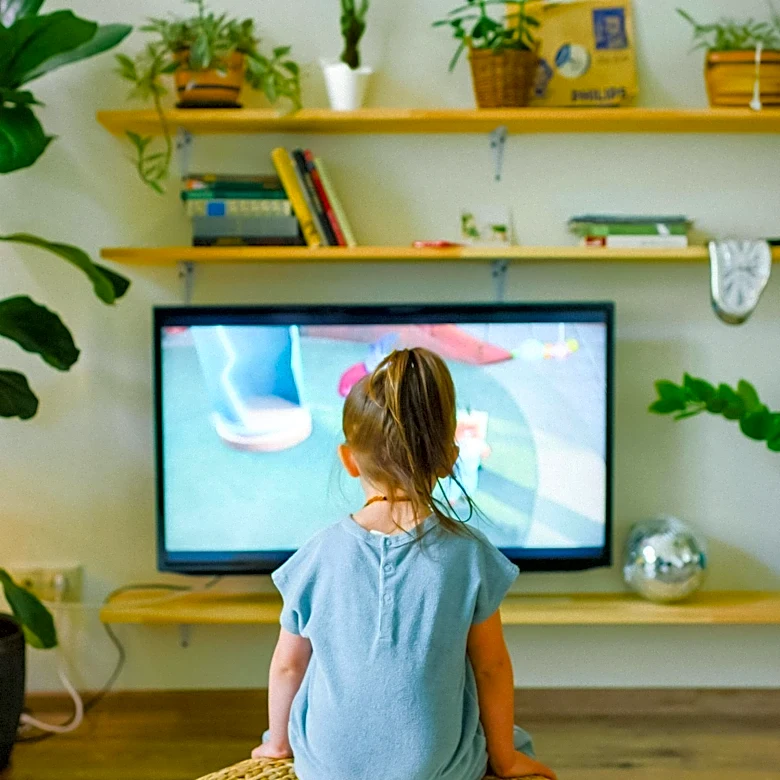
The research also raises questions about the role of technology in modern childhood. With the prevalence of digital devices, children today have constant access to entertainment, potentially reducing opportunities for self-directed play. This shift may have implications for their development of executive function and emotional regulation. The study suggests that intentional periods of unstructured time could benefit children's growth, providing a counterbalance to the structured and screen-dominated environments they often encounter.