





What's Happening?
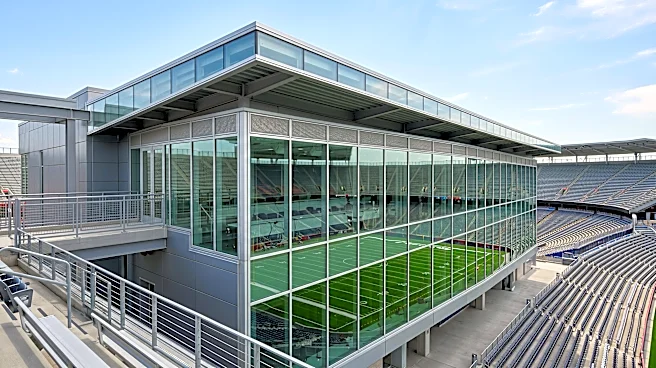
Northwestern University's recently opened Ryan Field in Evanston has generated a range of feedback from the public, particularly after a critique of the stadium's press box view. Readers have expressed opinions on various aspects of the new venue, including
the in-game entertainment, food pricing, and overall atmosphere. Some comments highlight specific issues such as an obstructed press box view, the volume of the sound system, and the perceived quality of the mascot imagery on the video board. Despite these criticisms, there is also acknowledgment of gratitude towards Mr. Ryan for the new stadium, which many believe was much needed. The discussion also touched upon the naming of the stadium, with some readers questioning the identity of 'New Ryan' in relation to Pat Ryan and Pat Ryan Jr.
Why It's Important?
The public's reaction to the new Ryan Field is significant as it reflects the immediate impact of major sports infrastructure projects on fan experience and community perception. The feedback, both positive and negative, can influence future operational decisions for the stadium and potentially impact donor relations. Issues like obstructed views in the press box can affect media coverage and the professional environment for journalists. High food prices and excessive noise levels directly impact fan satisfaction and could deter attendance. The debate over the stadium's naming and the prominence of the Ryan family name also touches on broader themes of philanthropy, recognition, and institutional identity within university settings. This public discourse provides valuable insights for other institutions undertaking similar large-scale developments.
What's Next?
In response to reader feedback, Northwestern University and the stadium management may need to address the identified issues. This could involve investigating and rectifying the obstructed press box view, potentially adjusting sound levels, and reviewing concession pricing. There might also be a reevaluation of the in-game entertainment elements, such as the video board content, to better align with fan preferences. Stakeholders, including stadium developer Pat Ryan Jr., may consider issuing statements or implementing changes based on the public's reception. The ongoing dialogue could also lead to further discussions about the balance between donor recognition and broader community engagement in university projects. Future events at Ryan Field will likely be scrutinized with these initial criticisms in mind.
Beyond the Headlines
The varied reactions to Ryan Field extend beyond mere stadium amenities, touching upon deeper societal and cultural implications. The discussion about the stadium's naming and the visibility of the Ryan family name raises questions about the evolving nature of philanthropy and public recognition in modern institutions. The contrast between historical benefactors who preferred anonymity and contemporary donors who are prominently featured highlights a shift in cultural values. Furthermore, the critique of the stadium's 'venue' feel versus a traditional 'stadium' suggests a broader trend in sports facilities prioritizing entertainment and commercial aspects over purely athletic ones. This shift can influence how sports are consumed and how communities engage with their local teams and institutions, potentially altering the traditional fan experience and the role of sports in civic life.