



What's Happening?
Personal trainer and nutritionist Janet Osborne, 65, along with her 87-year-old mother, prioritize six key exercises to maintain strength, mobility, and independence in later life. Osborne emphasizes that consistent, simple movements throughout the day
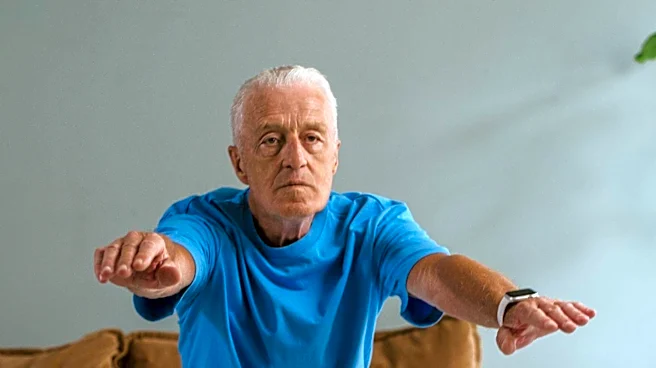
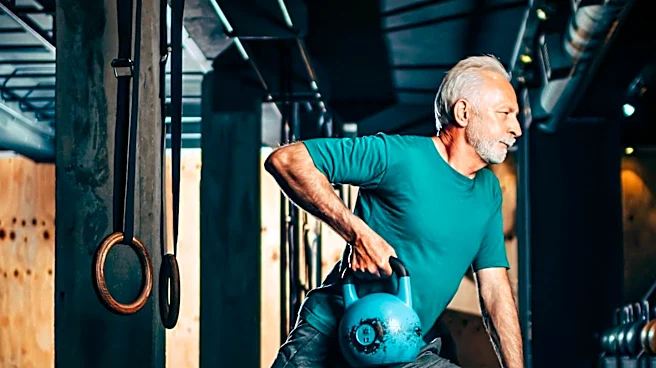
can significantly impact health as one ages, rather than requiring lengthy gym sessions. The recommended exercises include: Sit-to-stand, which assesses aging and predicts mortality risk; Single-leg calf raises, for strengthening walking muscles and improving balance; Hip hinges, to work the posterior chain (hamstrings and glutes); Counter push-ups, a modified push-up for upper body and core strength; Side steps, to improve lateral stability and prevent falls; and Single-leg balance, which is linked to reduced all-cause mortality. Osborne advises aiming for 10 repetitions of each exercise (per side where applicable) and holding single-leg balances for 10-20 seconds, suggesting these can be done a couple of times a week, even in short bursts.
Why It's Important?
This approach to fitness is crucial for the aging U.S. population, as it provides an accessible and practical framework for maintaining physical function and independence. The exercises highlighted are functional, meaning they directly relate to daily activities, thereby reducing the risk of falls and injuries, which are significant health concerns for older adults. By demonstrating that effective strength training doesn't require extensive time or specialized equipment, Osborne's routine lowers barriers to exercise for many seniors. This can lead to improved quality of life, reduced healthcare costs associated with age-related physical decline, and increased longevity. The emphasis on consistency over intensity makes fitness more sustainable and less intimidating, encouraging broader participation among older individuals who might otherwise feel overwhelmed by traditional workout regimens. This model also promotes intergenerational health, as both mother and daughter engage in these beneficial practices.
What's Next?
The promotion of simple, functional exercises like these by influential figures such as Janet Osborne is likely to increase awareness and adoption among older adults and their caregivers. We may see more fitness programs and public health initiatives incorporating these types of accessible movements. Healthcare providers might also integrate these recommendations into patient education for healthy aging. The emphasis on short, frequent exercise bursts could lead to new approaches in fitness app development and community wellness programs, making it easier for individuals to fit physical activity into their daily routines. This trend could also encourage more research into the long-term benefits of consistent, moderate functional training for the elderly.
Beyond the Headlines
This story transcends typical fitness advice by illustrating a powerful intergenerational commitment to health and well-being. It challenges the societal narrative that aging inevitably leads to physical decline, instead presenting a model of proactive engagement with one's physical capabilities. The focus on functional movements speaks to a deeper understanding of what it means to age well: not just living longer, but living independently and with vitality. Ethically, it underscores the importance of empowering individuals to maintain their autonomy through physical strength. Culturally, it could contribute to a shift in how aging is perceived and approached, moving towards a more active and engaged model of later life. The simplicity and accessibility of the exercises also highlight that health is not exclusive to those with resources for gyms or trainers, making it a more equitable pursuit.