



What's Happening?
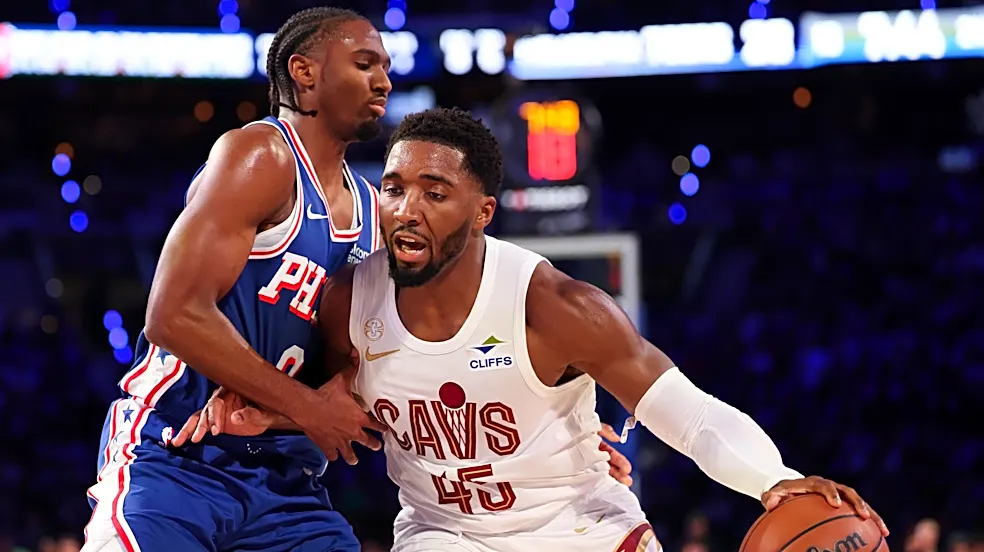
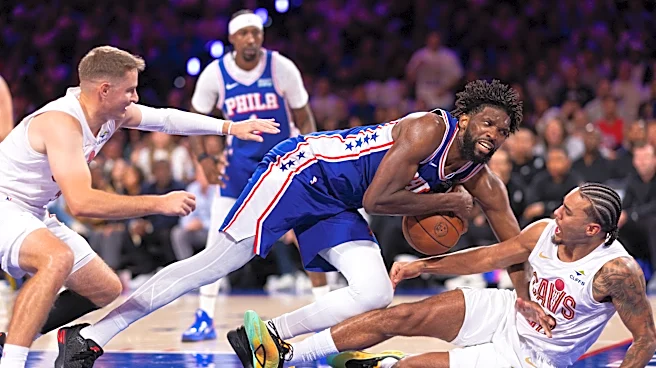
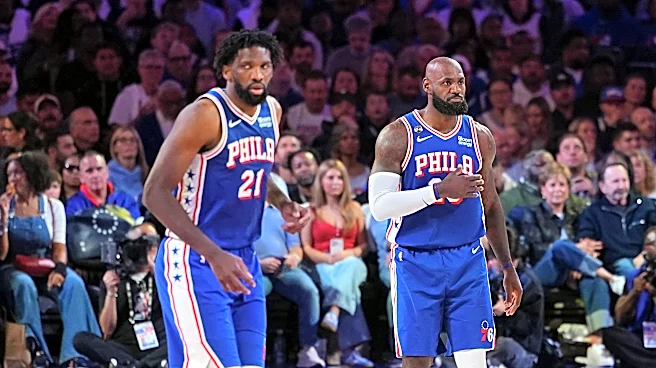
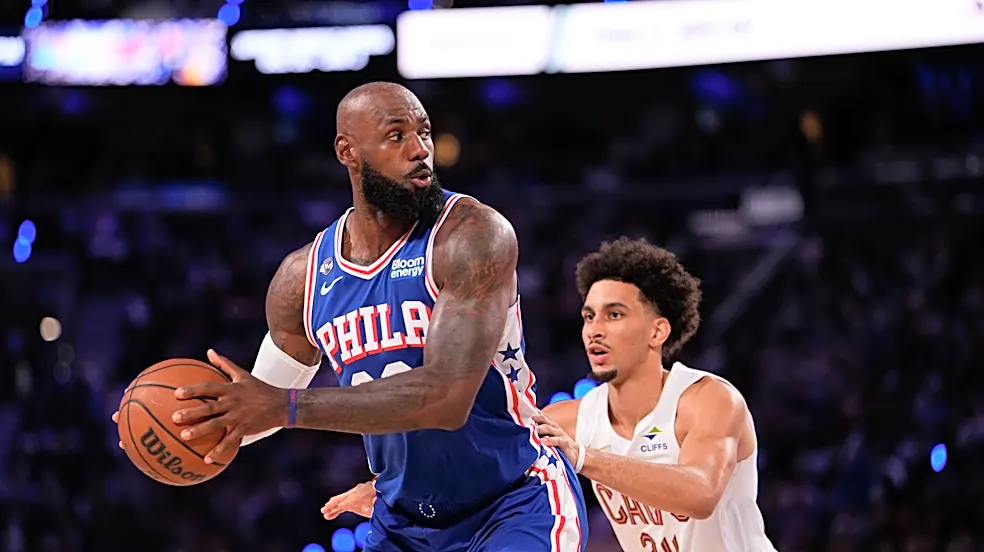
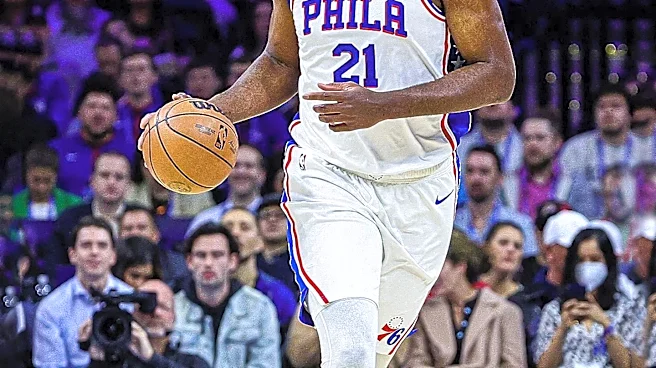
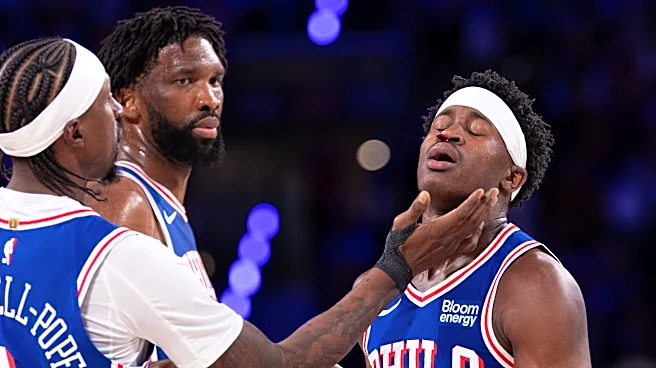
Joel Embiid, center for the Philadelphia 76ers, has announced he will sit out one of the team's upcoming back-to-back games this weekend. This decision follows the 76ers' 114-106 comeback victory over the Cleveland Cavaliers, where Embiid contributed
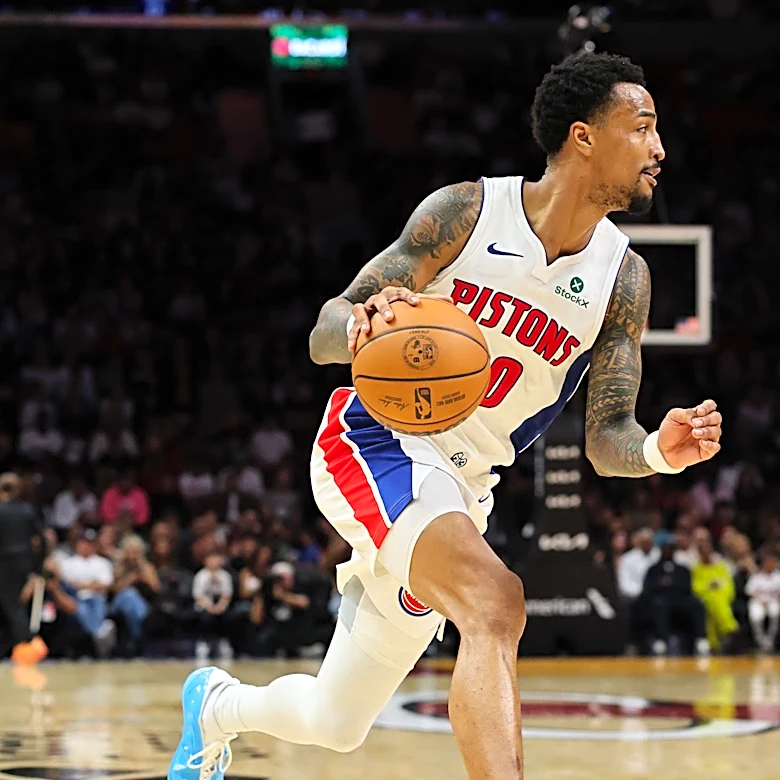
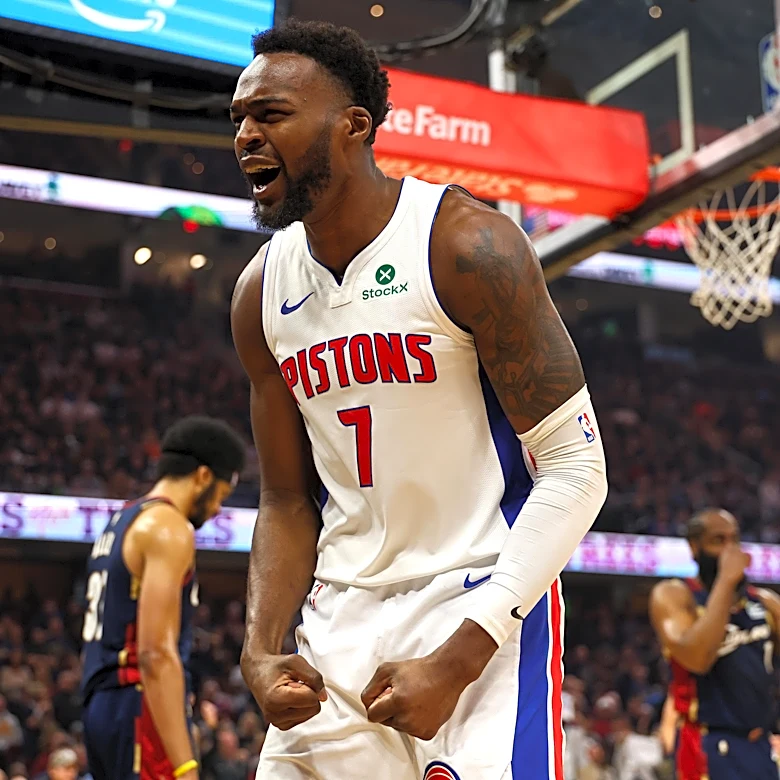
24 points, seven rebounds, and one assist. The 76ers are scheduled to play against the Milwaukee Bucks and the Detroit Pistons. Embiid did not specify which game he would miss, but the move is part of a cautious approach to manage his health and prevent injuries, especially given his history. The team aims to preserve his fitness for the later stages of the season, including the playoffs, rather than pushing him in early-season back-to-backs. This strategy is consistent with the team's long-term goal of contending for a championship.
Why It's Important?
This decision by Joel Embiid and the 76ers highlights a growing trend in professional sports, particularly in the NBA, where player load management is prioritized to ensure star athletes are healthy for critical postseason play. For the 76ers, Embiid's health is paramount to their championship aspirations, as he is a critical component of their success. While fans might desire to see their star player in every game, the team's strategic approach aims to maximize his effectiveness when it matters most. This practice can impact regular-season game outcomes, potentially affecting team standings and playoff seeding. It also raises questions about the balance between player well-being, fan expectations, and the competitive integrity of the regular season. The 76ers' willingness to rest Embiid, even during a hot start, underscores their commitment to a long-term vision over short-term gains.
What's Next?
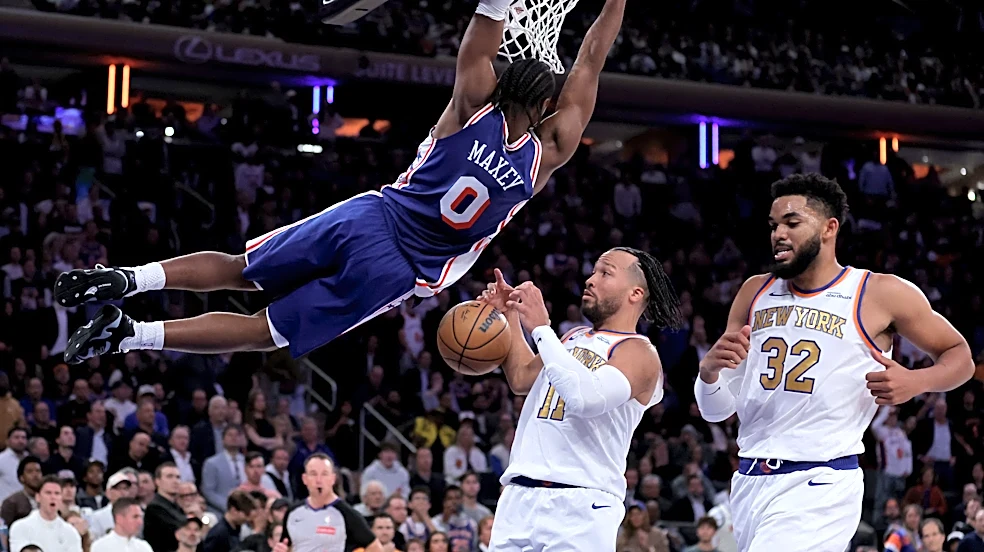
Joel Embiid will miss either the game against the Milwaukee Bucks or the Detroit Pistons this weekend, with the specific game yet to be announced. This will be the first instance of Embiid sitting out a back-to-back game this season, a practice the 76ers intend to continue as part of their load management strategy. The team has fewer back-to-back games this season compared to the previous one, which should allow for more flexibility in managing Embiid's playing time. The focus will remain on ensuring his optimal health for the playoffs. The 76ers will need to demonstrate their ability to perform effectively even without their star center, relying on other key players like Tyrese Maxey to maintain their strong start to the season.
Beyond the Headlines
The ongoing discussion around load management, exemplified by Joel Embiid's decision, reflects a broader shift in sports science and team management. While some critics argue it diminishes the regular season's value, proponents emphasize player longevity and peak performance during high-stakes games. This approach also has financial implications, as star players' absences can affect ticket sales and broadcast viewership. Ethically, teams face the challenge of balancing competitive drive with player welfare, especially for athletes with significant injury histories. The 76ers' transparent strategy with Embiid could set a precedent for other teams managing their star players, influencing future league policies regarding player availability and scheduling. It also underscores the evolving understanding of athletic performance and recovery in professional sports.