

What's Happening?
Volkswagen Group, a Wolfsburg-based manufacturer, has embedded a circular economy approach into its Regenerate+ sustainability strategy. This strategy, termed 'reduce and grow,' focuses on minimizing reliance on virgin raw materials and decreasing the
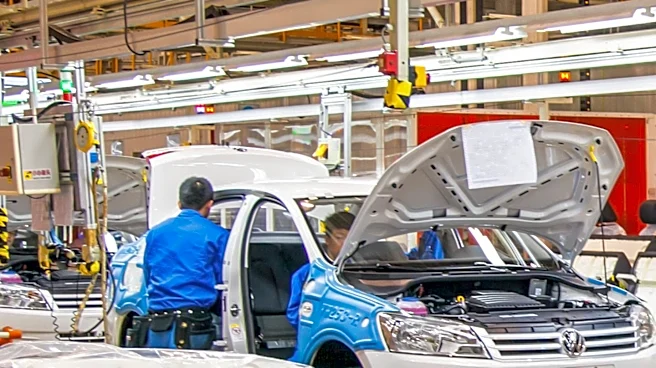
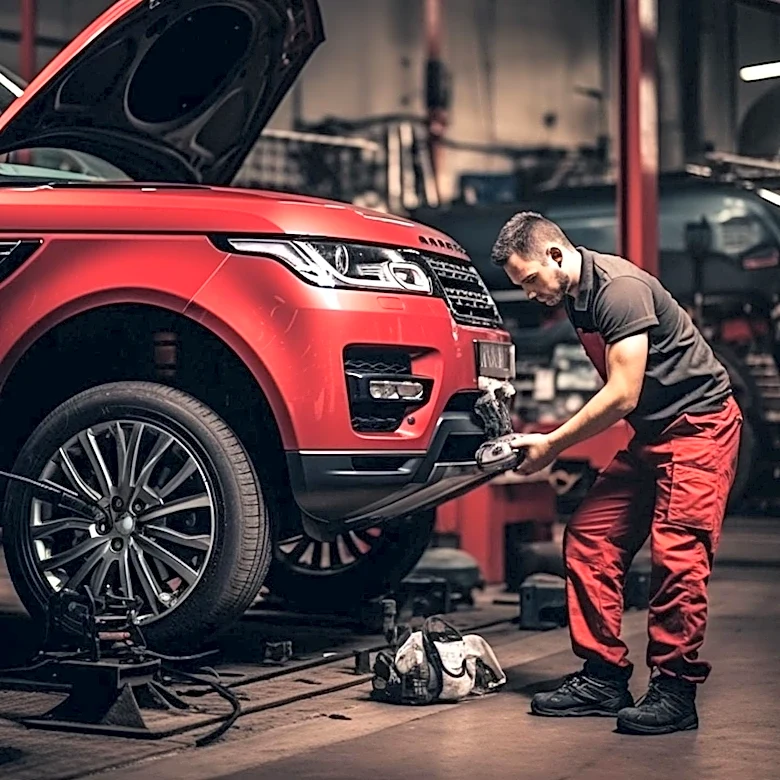
carbon footprint of its vehicles. The 'reduce' aspect involves keeping materials like steel, aluminum, glass, rubber, and polymers in closed loops, ensuring they are continuously reused and repurposed. The 'grow' component aims to generate new revenue streams through activities such as remanufacturing, refurbishment, and the sale of certified used original parts, particularly for older models. Dirk Voeste, Chief Sustainability Officer at Volkswagen Group, stated that the circular economy is considered a significant growth area and is explicitly anchored in the group's strategy, having been discussed with the board of directors. This initiative reflects a broader shift towards more efficient business practices that also offer environmental benefits.
Why It's Important?
This strategic shift by Volkswagen Group is important as it signifies a major automotive manufacturer's commitment to sustainable practices, potentially influencing industry-wide adoption. By reducing dependence on virgin raw materials, Volkswagen aims to mitigate supply chain risks and reduce environmental impact, which can lead to long-term cost savings and enhanced brand reputation. The creation of new revenue streams through remanufacturing and the sale of used parts could establish new market segments and business models within the automotive industry. This approach also addresses increasing consumer and regulatory pressure for more environmentally responsible products. For the U.S. market, this could mean a greater availability of recycled content in vehicles and potentially more affordable, certified used parts, impacting both consumers and the aftermarket industry. It also sets a precedent for other U.S. and international companies to re-evaluate their material sourcing and end-of-life product strategies.
What's Next?
Volkswagen Group is expected to continue integrating circular economy principles across its various brands, including Audi, Škoda, Seat, and Cupra. The company will likely invest further in technologies and processes that support material recovery, remanufacturing, and refurbishment. This could lead to the development of new partnerships with recycling companies and specialized repair services. The focus on selling certified used original parts for older models suggests an expansion of their aftermarket services, potentially creating a more robust ecosystem for vehicle longevity and repair. Future developments may include more transparent reporting on the percentage of recycled content in new vehicles and the establishment of take-back programs for end-of-life vehicles and components. This strategic direction could also influence policy discussions around extended producer responsibility and material circularity in the automotive sector.
Beyond the Headlines
Volkswagen Group's embrace of the circular economy extends beyond immediate environmental and economic benefits, touching upon deeper ethical and cultural dimensions. This move challenges the traditional linear 'take-make-dispose' model of production, promoting a more sustainable consumption pattern. Ethically, it addresses the responsibility of large corporations to minimize their ecological footprint and contribute to resource conservation. Culturally, it could foster a greater appreciation for product longevity and repair over constant replacement, shifting consumer mindsets towards more sustainable choices. Legally, this strategy might preempt future regulations on material use and waste management, positioning Volkswagen as a leader in environmental compliance. The emphasis on closed-loop systems also highlights the potential for innovation in material science and manufacturing processes, driving technological advancements that benefit the entire industry and society at large.