






What's Happening?
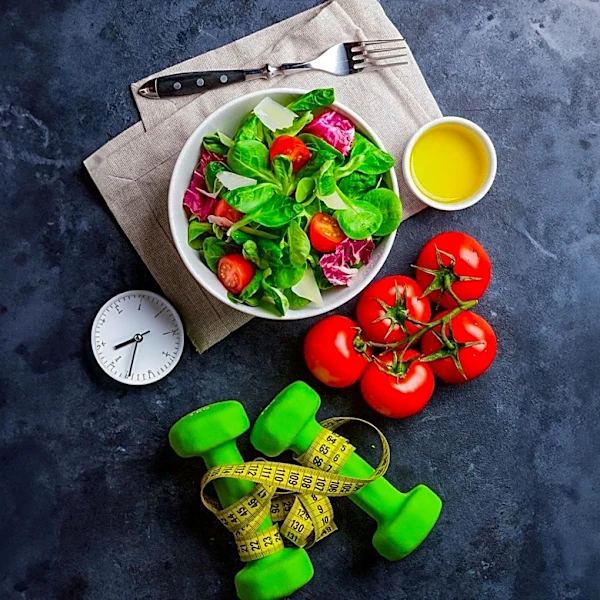
Gen Z is increasingly transforming wellness spaces, such as saunas, recovery studios, fitness clubs, and cold-plunge facilities, into primary social venues. This shift reflects a growing emphasis on health, fitness, and nutrition within this demographic.
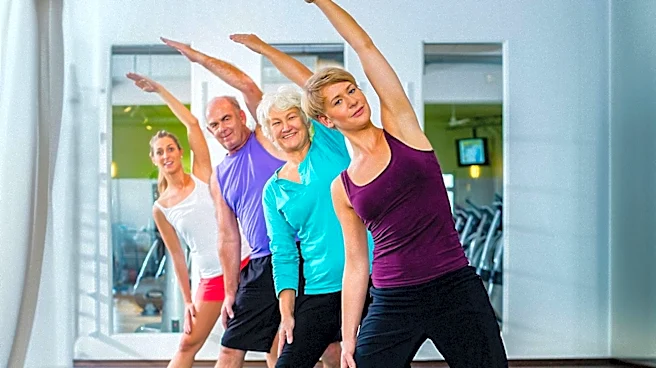
Unlike previous generations that often centered social activities around bars and parties, Gen Z individuals are seeking environments that foster social interaction without the pressure of alcohol. Activities like group fitness classes and shared wellness experiences are becoming common ways for young people to meet, build communities, and even network. This trend is driven by a generation that is highly conscious of what they consume and how they maintain their physical and mental well-being, leveraging easy access to information to make informed lifestyle choices.
Why It's Important?
This cultural shift among Gen Z has significant implications for various industries, particularly hospitality, entertainment, and health and wellness. Traditional nightlife establishments may see a decline in engagement from this demographic, while businesses offering wellness-focused social experiences are poised for growth. The emphasis on health and conscious consumption could also influence the food and beverage industry, with a greater demand for nutritious and electrolyte-based options. Furthermore, this trend highlights a broader societal move towards prioritizing well-being, potentially leading to increased investment in public health initiatives and accessible wellness facilities. For employers, understanding this preference for alcohol-free social settings could inform corporate culture and team-building activities, fostering healthier and more productive environments.
What's Next?
The continued rise of wellness-centric social spaces suggests that more businesses will likely adapt their offerings to cater to Gen Z's preferences. We can anticipate an expansion of facilities that combine fitness, recovery, and social elements, potentially leading to innovative hybrid models. Event organizers may also explore creating alcohol-free social events and networking opportunities to attract this demographic. Additionally, the food and beverage industry will likely continue to innovate with health-conscious products, including non-alcoholic beverages and nutrient-rich snacks, to meet evolving consumer demands. This trend could also spur further research into the long-term health and social benefits of such lifestyle choices, potentially influencing public policy related to urban planning and community development.
Beyond the Headlines
Beyond the immediate commercial impacts, this shift reflects a deeper cultural re-evaluation of social norms and personal well-being. Gen Z's conscious decision to move away from alcohol-centric socializing may indicate a broader desire for more meaningful and authentic connections, free from the perceived pressures and negative consequences associated with traditional partying. This could lead to a more mindful and health-aware society in the long run, potentially reducing public health burdens related to alcohol consumption. The networking aspect within these wellness spaces also suggests a blending of personal and professional development, where individuals seek holistic growth. This trend challenges established notions of leisure and social engagement, paving the way for a future where well-being is intrinsically linked to social interaction.