






What's Happening?
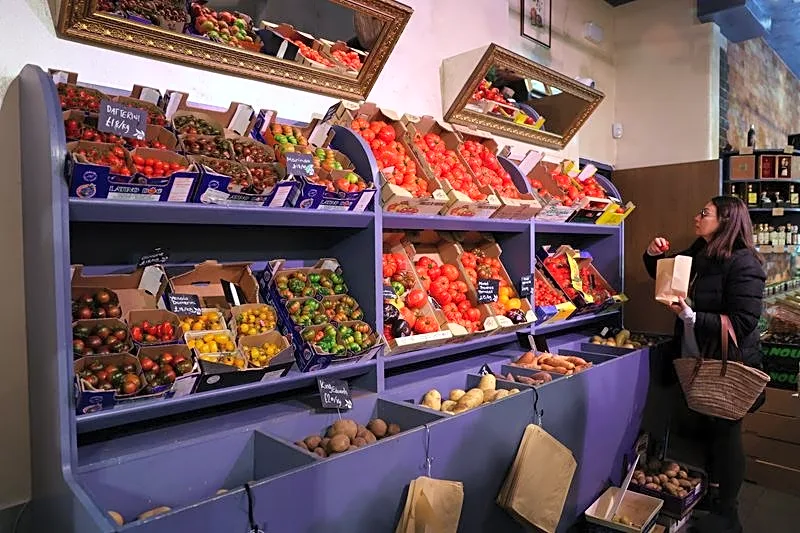
Despite a softening in import prices for lean beef, U.S. retail beef prices have not seen a proportional decrease, remaining above last year's levels. In September, retail ground beef experienced a 0.8% drop from August but was still 5.4% higher than
September of the previous year. This discrepancy is attributed to various factors beyond the cost of imported lean beef, including processing, packaging, transport, and retail overheads. Businesses may also be selling inventory acquired before the recent import price adjustments. The import market has shown a decline, with Platts' Philadelphia benchmark for frozen lean beef falling by four cents per pound over a month in late September, and another East Coast benchmark dropping 25 cents in a single day due to weakened Brazilian offers. However, these import price changes do not immediately translate to lower consumer prices at the grocery store.
Why It's Important?
The divergence between falling import beef prices and persistent high retail prices has significant implications for U.S. consumers and businesses. Consumers continue to face elevated grocery bills, impacting household budgets and potentially altering purchasing habits. For small businesses, particularly those involved in processing and distributing beef, the situation creates a complex environment. While cheaper imported beef offers a potential cost-saving on raw materials, these savings are often absorbed by other operational expenses or customer discount demands, limiting the overall financial benefit. The market volatility, influenced by tariff changes, trade discussions with Canada, and fluctuating production forecasts, adds uncertainty for businesses trying to manage inventory and pricing strategies. This scenario highlights the intricate supply chain dynamics and the multiple cost layers that contribute to the final retail price of food products.
What's Next?
The immediate future will likely see continued scrutiny on how import price reductions eventually translate to consumer savings. Businesses will need to navigate temporary access to additional lower-duty beef quotas, which can offer short-term purchasing opportunities but do not guarantee long-term price stability. The effectiveness of these quotas depends on timely qualification and adherence to CBP rules, as a purchase order alone does not reserve a place. The beef market is expected to remain volatile, with prices influenced by global trade policies, domestic production levels, and consumer demand. Small businesses will continue to face the challenge of securing favorable pricing from vendors while managing customer expectations for discounts, especially as the cost of other ingredients and operational expenses remain high. The industry will be watching for further adjustments in retail prices as older, more expensive inventory is sold off and new, cheaper imports are processed.
Beyond the Headlines
The current situation underscores a broader economic challenge: the 'sticky' nature of retail prices, where increases are quick to implement but decreases are slow to materialize, even when wholesale costs fall. This phenomenon can erode consumer trust and fuel perceptions of unfair pricing practices. From a policy perspective, it highlights the limitations of import tariff adjustments in directly influencing consumer prices when multiple intermediaries and cost factors are involved. The ethical dimension arises in how businesses balance their profit margins with consumer affordability, especially for essential goods like food. Culturally, persistent high food prices can contribute to economic anxiety and impact dietary choices, potentially leading to shifts in consumption patterns towards more affordable protein sources. This scenario also emphasizes the need for greater transparency across the supply chain to help consumers understand the true drivers of retail costs.