







What's Happening?
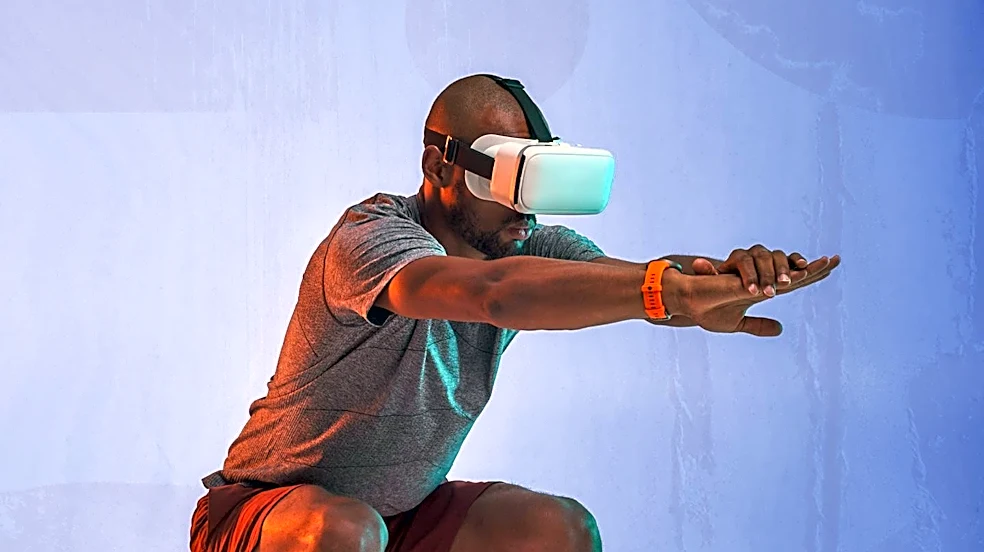
Virtual fitness communities are increasingly integrating advanced technologies like augmented reality (AR), virtual reality (VR), and artificial intelligence (AI) to create more immersive and personalized workout experiences. AR and VR are being utilized
to develop environments that simulate in-person classes, providing real-time feedback and fostering a sense of community among remote users. AI algorithms analyze individual user data to generate customized workout routines, nutrition plans, and progress tracking, catering to the growing consumer demand for individualized fitness solutions. These technological advancements aim to boost user motivation and engagement by offering interactive and tailored digital health solutions. The market is also seeing a rise in features such as live classes, leaderboards, and social sharing, which are designed to build a strong sense of community and accountability among participants, addressing the innate human desire for connection and motivation in fitness journeys.
Why It's Important?
The integration of AR, VR, and AI in virtual fitness is significant because it addresses key consumer demands for convenience, personalization, and engagement in health and wellness. This technological shift allows fitness providers to offer highly flexible and accessible workout options that can be tailored to individual schedules and preferences, removing traditional barriers like location and time constraints. For consumers, this means more effective and enjoyable fitness routines that are designed to keep them motivated and committed. For the fitness industry, it signifies a move towards more sophisticated digital platforms that can attract and retain users through innovative experiences. Companies that successfully implement these technologies stand to gain a competitive advantage by meeting evolving consumer expectations for interactive, personalized, and community-driven fitness solutions, potentially leading to sustained growth in the virtual fitness market.
What's Next?
The virtual fitness market is expected to continue its rapid evolution with further integration of emerging technologies. Future developments will likely include even more sophisticated personalization through AI, with virtual trainers and adaptive workout plans that adjust in real-time to individual progress and preferences. The expansion of corporate wellness programs and partnerships with insurance providers is also anticipated, as organizations increasingly seek digital solutions to promote employee health. Geographically, markets with growing internet penetration and smartphone adoption are poised to contribute significantly to global growth in this sector. Companies that prioritize investment in innovative content, seamless user experiences, and robust data security will be well-positioned to capitalize on these future opportunities, ensuring continued innovation and expansion within the virtual fitness landscape.
Beyond the Headlines
Beyond the immediate technological advancements, the rise of virtual fitness communities powered by AR, VR, and AI points to a broader cultural shift in how individuals approach health and wellness. This trend highlights a growing reliance on digital platforms for personal development and social connection, even in traditionally physical activities. The ethical implications of extensive data collection for personalization, including privacy concerns and the potential for algorithmic bias in fitness recommendations, will become increasingly important. Furthermore, the long-term impact on traditional gym models and in-person fitness instruction could be substantial, potentially leading to hybrid models that combine digital and physical experiences. This evolution also underscores the increasing value placed on convenience and individualized experiences in modern consumer behavior, influencing not just fitness but potentially other sectors of personal well-being and self-improvement.