










What's Happening?
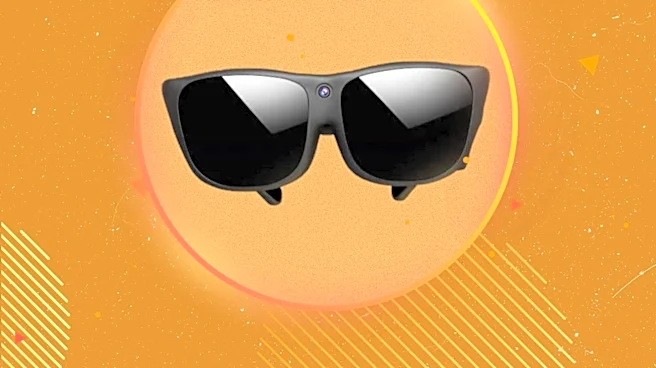
Meta's latest smartglasses, designed to seamlessly connect users to the internet, have sparked privacy concerns due to their potential for covert filming. The glasses, which feature a tiny flashing light to indicate recording, are marketed towards parents
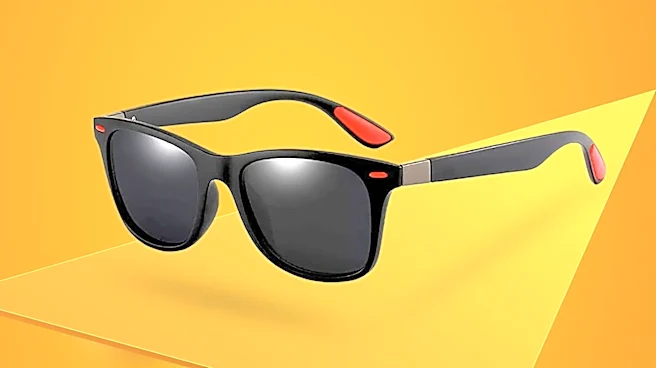
under the slogan 'never miss a moment.' However, the technology's ability to capture images without obvious detection raises issues about unauthorized filming, particularly of children. This concern is amplified by the potential misuse of AI-generated images, which could lead to the creation of harmful content. The glasses' design, a collaboration with Ray-Ban, aims to appeal to a broad audience, but the privacy implications have led to bans in some schools and nurseries.
Why It's Important?
The introduction of Meta's smartglasses highlights the ongoing tension between technological innovation and privacy. While the glasses offer convenience and new ways to capture memories, they also pose significant risks to personal privacy and child safety. The potential for misuse, particularly in creating AI-generated harmful content, underscores the need for robust privacy protections and regulations. This development could prompt discussions about the ethical use of wearable technology and the responsibilities of tech companies in safeguarding user privacy. The situation also reflects broader societal concerns about the impact of AI and surveillance technologies.
Beyond the Headlines
The privacy concerns surrounding Meta's smartglasses could lead to increased scrutiny of wearable technology and its implications for personal privacy. As AI continues to advance, the potential for misuse of such technologies may necessitate new regulatory frameworks to protect individuals. The situation also raises ethical questions about the balance between innovation and privacy, and the role of tech companies in anticipating and mitigating potential harms. The glasses' potential benefits for individuals with disabilities, such as aiding navigation for the blind, add complexity to the debate, highlighting the need for nuanced discussions about the future of wearable technology.