






What's Happening?
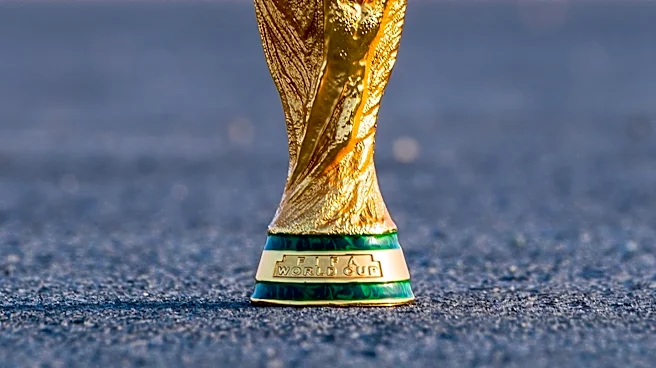
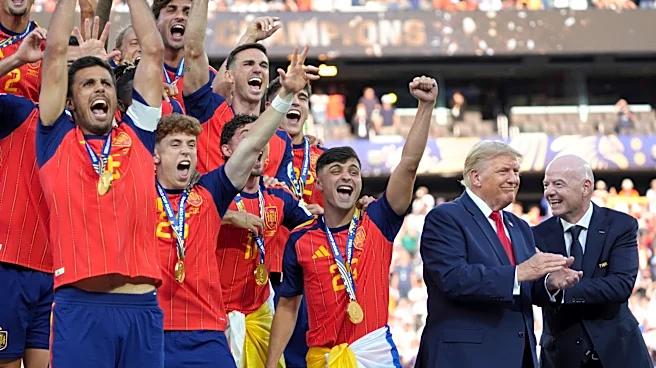
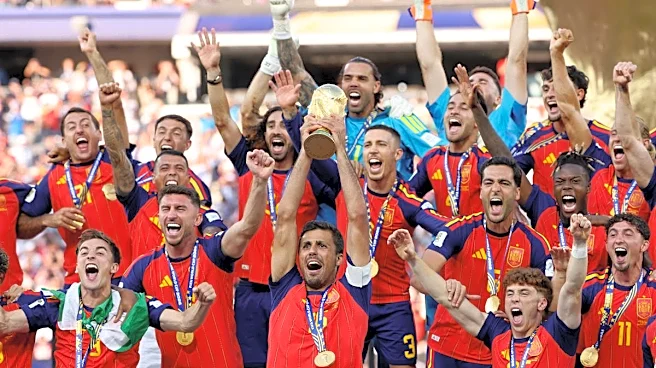
The 2026 FIFA World Cup, hosted by the United States, Mexico, and Canada, concluded with a record attendance of 6,810,966 fans, making it the most-attended World Cup in history. The tournament, which featured 48 national teams, showcased not only athletic
talent but also sportsmanship and respect among fans. Notable moments included Dutch fans turning Kansas City orange, Japanese fans cleaning up after matches, and Scottish fans consuming record amounts of local beverages. The event highlighted the unifying power of soccer, with fans from different countries celebrating together and fostering a spirit of camaraderie.
Why It's Important?
The 2026 FIFA World Cup demonstrated the potential of sports to bring people together across cultural and national divides. The record attendance and positive interactions among fans underscore the global appeal of soccer and its ability to promote mutual respect and understanding. This event also provided economic benefits to host cities through increased tourism and local business patronage. The success of the tournament could influence future international sporting events, encouraging organizers to prioritize fan engagement and cultural exchange.
Beyond the Headlines
The World Cup's success in fostering international goodwill suggests that sports can play a role in diplomacy and cultural exchange. The positive experiences shared by fans may inspire future collaborations and partnerships beyond the realm of sports. Additionally, the tournament's emphasis on respect and sportsmanship could serve as a model for addressing global challenges through cooperation and mutual understanding.