


What's Happening?
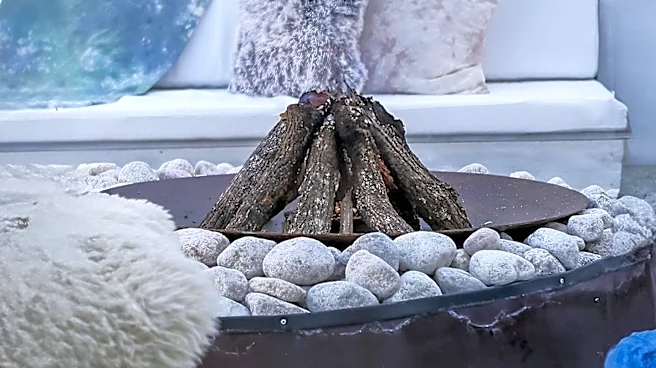
Current trends in outdoor living emphasize fire features, with fire pits and fire tables gaining popularity for creating inviting backyard spaces. Fire pits, typically round or square basins, offer a 360-degree open flame, providing strong visual drama
and heat, but lack a functional surface for drinks or plates. In contrast, fire tables integrate the burner into a flat surface at dining or cocktail height, allowing the flame to be a centerpiece while maintaining functionality for guests. Propane-fueled fire tables are particularly favored on patios where wood smoke or ash would be inconvenient. The choice between a fire pit and a fire table often depends on the desired interaction, with pits encouraging close gathering around the flame and tables facilitating dinner conversation and casual drinks. Both options aim to blend indoor and outdoor spaces, creating a cozy atmosphere, especially as cooler weather approaches.
Why It's Important?
The growing interest in outdoor fire features reflects a broader trend in U.S. lifestyle and home design, where homeowners are increasingly investing in extending their living spaces outdoors. This shift impacts the home improvement and outdoor furniture industries, driving demand for diverse fire pit and fire table designs, fuel types, and accompanying accessories. For consumers, these features offer enhanced opportunities for entertainment and relaxation, potentially increasing property value and quality of life. The emphasis on clean-burning options like propane and bioethanol also points to a consumer preference for convenience and environmental considerations, influencing manufacturing and retail strategies. The market for outdoor heating and ambiance solutions is expanding, creating economic opportunities for manufacturers, retailers, and landscape designers.
What's Next?
As homeowners continue to prioritize outdoor living, the market for fire pits and fire tables is expected to evolve with more innovative designs and integrated technologies. Manufacturers may focus on developing more versatile units that can easily transition between different functions or fuel types. There could also be an increased demand for smart outdoor features, allowing for remote control of flames and integrated lighting. Retailers will likely expand their offerings to include a wider range of styles, materials, and price points to cater to diverse consumer preferences and budgets. Additionally, landscape architects and designers will continue to incorporate these features as central elements in outdoor space planning, further solidifying their role in modern home aesthetics.
Beyond the Headlines
The trend towards sophisticated outdoor fire features signifies a deeper cultural shift in how Americans view and utilize their homes. It blurs the lines between indoor and outdoor living, promoting a more integrated and holistic approach to home design. This integration can foster stronger community and family bonds by providing dedicated spaces for gathering and interaction. Environmentally, the preference for cleaner-burning fuels like propane and bioethanol, over traditional wood-burning options, reflects a growing consciousness about air quality and sustainability, even in recreational settings. This trend also highlights the psychological comfort and primal appeal of fire, offering a sense of warmth, security, and connection in an increasingly digital world.