




What's Happening?
The secondhand fashion market is experiencing significant growth, largely propelled by Gen Z and Millennial consumers who are increasingly opting for pre-owned clothing over new items. This shift is evident in the rise of luxury second-hand stores in affluent
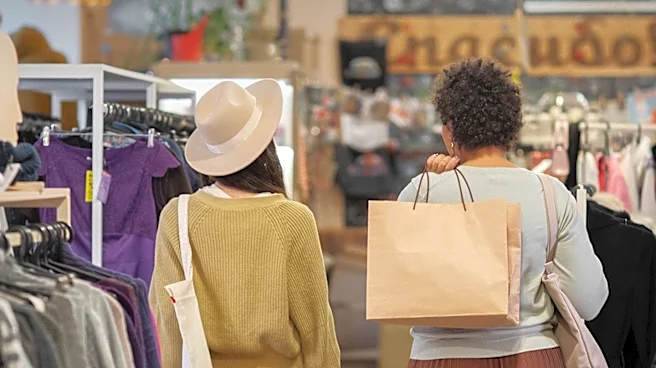
areas and the popularity of global platforms like Vestiaire Collective and Vinted. According to a 2024 Thrift Industry Report by Savers, nearly 60% of Gen Z report that over a quarter of their wardrobe is secondhand, a stark contrast to fewer than 4 in 10 consumers overall. Over 40% of Gen Z identify as thrifters, with 60% of those shopping secondhand at least monthly. This trend is driven by a combination of environmental consciousness and economic factors, as purchasing secondhand clothing reduces carbon emissions by an average of 25%, according to Green Story Inc. The infrastructure for textile recycling and reuse is still developing, but consumer demand for more sustainable options is rapidly expanding.
Why It's Important?
This growing preference for secondhand fashion among younger generations has significant implications for the U.S. retail industry and broader sustainability efforts. The shift away from fast fashion and new purchases could lead to a re-evaluation of production models and supply chains by major apparel companies. Businesses that fail to adapt to these changing consumer values may face declining sales, while platforms and retailers specializing in resale are poised for continued growth. The emphasis on sustainability also highlights a growing consumer demand for transparency and ethical practices, potentially pressuring brands to reduce their environmental footprint and combat 'greenwashing.' Economically, secondhand shopping offers a more affordable alternative for consumers, which can be particularly impactful during periods of economic uncertainty, while also creating new business opportunities in the resale sector.
What's Next?
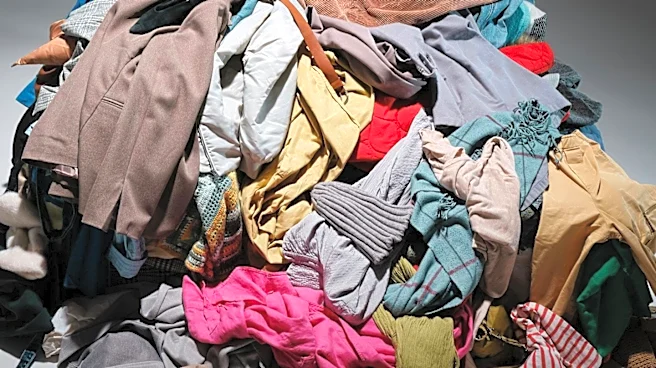
The continued growth of the secondhand market is likely to prompt further innovation in textile recycling and reuse technologies. We can expect to see more brands and retailers integrating resale options into their business models, either through partnerships with existing platforms or by developing their own in-house programs. Governments and organizations may also increase efforts to establish better infrastructure for collecting, repairing, and recycling textiles to manage the vast amount of clothing waste. Consumer pressure for greater transparency regarding environmental impact will likely intensify, pushing companies to provide verifiable data rather than vague 'eco-friendly' claims. The success of policies like France's law penalizing ultra-fast fashion could inspire similar legislative actions in other countries, including the U.S., aimed at making disposable products less profitable and promoting more sustainable consumption habits.
Beyond the Headlines
The rise of secondhand fashion reflects a deeper cultural shift towards conscious consumption and a re-evaluation of ownership. For Gen Z and Millennials, thrifting is not just about affordability or sustainability; it's also a form of self-expression and a rejection of the disposable culture promoted by fast fashion. This trend challenges traditional notions of luxury and status, as consumers increasingly value uniqueness and ethical sourcing over brand new, mass-produced items. The movement also highlights the ethical complexities of textile waste, revealing that even donated clothes often end up in landfills or are exported, underscoring the need for systemic changes beyond individual actions. This evolving consumer mindset could lead to a more circular economy in fashion, where products are designed for longevity, repair, and reuse, fundamentally altering how clothing is produced, consumed, and disposed of.