



What's Happening?
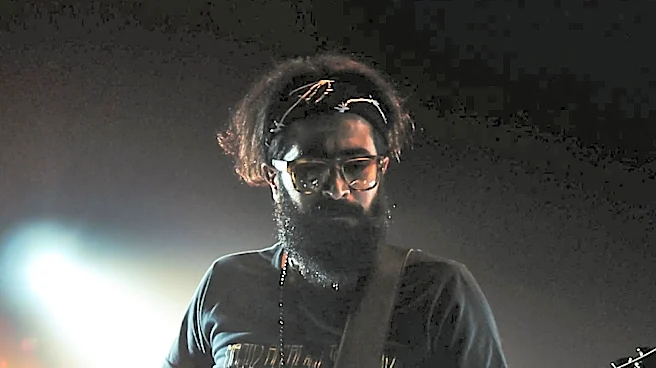
John Cooper, frontman for the band Skillet and a resident of Kenosha, Wisconsin, has publicly shared his family's experience with what he described as a "very bad church abuse situation." In an interview with The Christian Post, Cooper detailed how an increasingly
authoritarian leadership structure within a church he and his family had been part of for nearly 30 years led to their ostracization. He alleged that church leaders slandered and lied about his family, publicly insinuating they were being used by the devil. This ordeal, which he called "absolutely brutal," caused him significant depression, anger, and a crisis of trust, leading to a "mental break" where he questioned his own discernment. The conflict began around 2019-2020 as Cooper became more vocal about theological issues and his belief in *sola scriptura*, emphasizing the Bible as the ultimate authority over church leaders. This personal anguish ultimately fueled the creation of Skillet's new six-song independent EP, *After the Storm*, set for release on October 9.
Why It's Important?
This account from a prominent figure in contemporary Christian music highlights a growing concern within religious communities regarding spiritual abuse and authoritarian leadership. Cooper's story resonates with many who have experienced similar issues, potentially validating their feelings and encouraging broader discussions about accountability and healthy church governance. His willingness to speak out, despite being an outspoken critic of faith deconstruction, adds a nuanced perspective to the conversation, emphasizing empathy for those wounded by religious institutions while still advocating for faith. The experience also underscores the psychological and emotional toll such conflicts can take on individuals and families, impacting their trust in religious authority and their personal faith journeys. The creation of *After the Storm* as a direct result of this trauma demonstrates how personal suffering can be channeled into artistic expression, offering a relatable narrative for listeners facing their own struggles.
What's Next?
Skillet's new EP, *After the Storm*, is scheduled for release on October 9. The album, which includes singles like "Scream" and "Lift Me Up," is expected to explore themes of betrayal, grief, perseverance, and hope, drawing directly from Cooper's recent experiences. Cooper hopes the music will resonate with listeners facing various forms of darkness, encouraging them to find solace and strength in their faith. The band is also preparing for its nationwide "Comatose: 20 Years, Still Screaming Tour," celebrating the 20th anniversary of their 2006 album. This tour and the new EP will provide platforms for Cooper to continue sharing his message and connecting with fans who may have experienced similar challenges. His continued advocacy for evaluating teachings against Scripture may also encourage ongoing dialogue within Christian communities about spiritual authority and accountability.
Beyond the Headlines
Cooper's narrative delves into the complex ethical and psychological dimensions of spiritual abuse, particularly the manipulation of trust and the questioning of one's own sanity when confronted by perceived religious authority. His struggle to discern truth from manipulation, even questioning if he was "being used by the devil," illustrates the profound impact such experiences can have on an individual's self-perception and spiritual foundation. The story also touches on the broader cultural shift towards acknowledging and addressing spiritual trauma, moving beyond traditional silence or dismissal. Cooper's eventual return to worship in a new church, where he feels safe to question and express emotion, highlights the importance of healthy religious environments that prioritize grace and genuine spiritual growth over authoritarian control. This experience could contribute to a larger conversation about the need for transparency, accountability, and compassionate leadership within religious institutions, potentially influencing how spiritual abuse is recognized and addressed in the future.