






What's Happening?
YouTube is set to resume sharing its streaming data with Billboard in 2027, concluding a nearly year-long disagreement regarding the measurement of streaming activity for music chart rankings. This agreement comes after Billboard's decision to revise
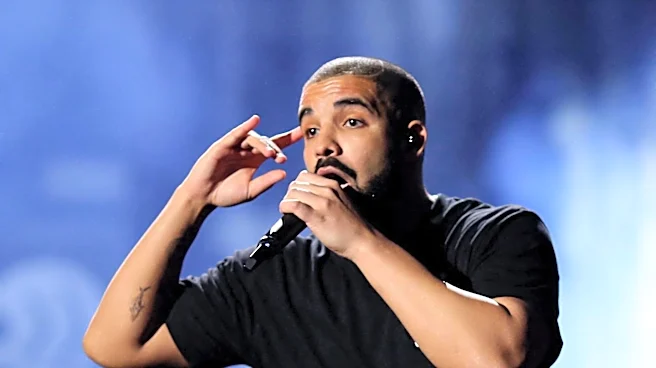
its chart methodology, specifically by increasing the value attributed to ad-supported streams. Previously, 1,000 paid streams were weighted equally to 2,500 ad-supported streams. Under the new formula, this disparity will be reduced, with 1,500 ad-supported streams now holding the same value as 1,000 paid streams. This change will reintegrate YouTube's extensive audience for music videos, live performances, and other content into Billboard's chart calculations, thereby restoring a significant source of music consumption data. However, recording artist Drake expressed his disapproval of this development on Instagram, stating, 'Wtf this game so cooked.'
Why It's Important?
This development is significant for the U.S. music industry as it directly impacts how popular music is recognized and ranked. By re-including YouTube's streaming data with a revised valuation for ad-supported streams, Billboard's charts will offer a more comprehensive and potentially more accurate reflection of music consumption across various platforms. This could lead to shifts in chart positions, potentially benefiting artists whose music is heavily consumed on YouTube's ad-supported tiers. Record labels, artists, and music marketers will need to adapt their strategies to this updated methodology, as chart performance often influences promotional efforts, industry recognition, and revenue streams. The increased weight for ad-supported streams acknowledges a substantial segment of the listening audience, which could democratize chart access to some extent, though the exact impact on different genres and artists remains to be seen. Drake's reaction highlights potential concerns among some artists about the fairness or implications of these changes.
What's Next?
The new chart methodology will officially take effect in 2027, at which point YouTube's streaming data will once again contribute to Billboard's music chart calculations. The music industry will closely monitor the initial chart results to understand the practical implications of the revised weighting for ad-supported streams. Artists, labels, and streaming platforms will likely analyze how these changes influence song popularity, artist visibility, and overall market trends. There may be further discussions or adjustments to chart methodologies in the future as the digital music landscape continues to evolve. Stakeholders will also be observing whether other artists echo Drake's sentiment or if the industry largely embraces the updated approach as a more inclusive measure of music consumption.
Beyond the Headlines
The dispute and subsequent resolution between YouTube and Billboard underscore the ongoing challenge of accurately measuring and valuing music consumption in the digital age. The shift in weighting for ad-supported streams reflects a broader industry debate about the economic value of different streaming tiers and how they should contribute to an artist's commercial success and recognition. This move could also highlight the growing influence of platforms like YouTube, which offer diverse content formats beyond traditional audio-only streaming. The 'no copyright music' phenomenon, where creators seek music for videos without legal repercussions, further complicates the landscape of music usage and monetization. The integration of YouTube's data into Billboard's charts, while addressing one aspect, also implicitly acknowledges the platform's role not just as a music discovery tool but as a significant consumption channel, potentially influencing how artists and labels approach content creation and distribution strategies.