




What's Happening?
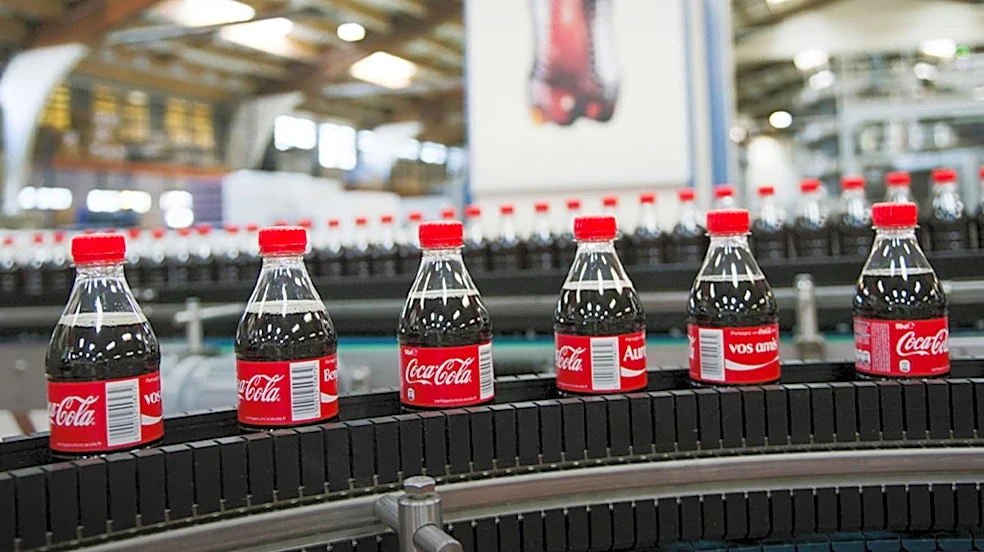
KFC has announced a significant change in its U.S. beverage supplier, moving from PepsiCo to Coca-Cola. This switch, set to begin in January, will affect thousands of KFC restaurants across the United States. The decision represents a blow to PepsiCo,
which saw its shares fall following the initial reports of the talks. Historically, KFC has been one of PepsiCo's largest restaurant chain clients in the U.S., offering Pepsi, Starry, Mountain Dew, and Aquafina. PepsiCo also previously owned KFC until it spun off its restaurant divisions in 1997. While PepsiCo will continue to supply many international KFC markets and Taco Bell, the loss of the U.S. KFC contract is notable, especially given recent statements from PepsiCo CEO Ramon Laguarta acknowledging challenges in the company's soft drink performance.
Why It's Important?
This shift holds considerable importance for the U.S. beverage and fast-food industries. For Coca-Cola, securing the KFC U.S. contract represents a significant market gain, expanding its presence in the highly competitive quick-service restaurant sector. For PepsiCo, the loss underscores ongoing challenges in its soft drink division and highlights the intense competition for fountain contracts, which are a high-margin segment of the restaurant business. This move could influence other restaurant chains to re-evaluate their beverage partnerships, potentially leading to further shifts in supplier agreements. It also emphasizes that beverage contracts are no longer solely about price but increasingly involve co-creation and innovation, as chains like KFC seek to offer novelty drinks to attract younger consumers.
What's Next?
The transition to Coca-Cola products in U.S. KFC restaurants will commence in January. This change will likely involve a logistical overhaul for KFC, including new equipment and supply chain adjustments. PepsiCo will need to strategize how to mitigate the impact of this loss on its U.S. soft drink sales and potentially seek new partnerships to offset the revenue. The beverage industry will closely watch the performance of both companies following this change, particularly how it affects their market share and competitive positioning. Furthermore, the emphasis on co-creating beverage menus, as seen with KFC's own sparkling lemonades and boba refreshers, suggests that future beverage contracts will increasingly prioritize innovation and partnership over traditional supply agreements.
Beyond the Headlines
This development reflects a broader trend in the food and beverage industry where consumer preferences are rapidly evolving, particularly among younger demographics who seek unique and novel drink options. The traditional dominance of major soda brands is being challenged by a diverse array of beverages, including energy drinks, sparkling waters, and custom concoctions. This forces beverage companies to adapt their strategies, moving beyond simple product supply to become innovation partners with restaurant chains. The incident also highlights the power of social media and consumer trends in influencing corporate decisions and market valuations, as even rumors of such a deal can impact stock prices. The long-standing rivalry between Coca-Cola and PepsiCo continues to shape the competitive landscape, with each contract win or loss having ripple effects across the industry.