


What's Happening?
A recent report from iSeeCars indicates that used electric vehicles (EVs) are selling significantly faster than their gasoline and hybrid counterparts in the U.S. market. The study, which analyzed over 1.5 million cars between one and five years old,
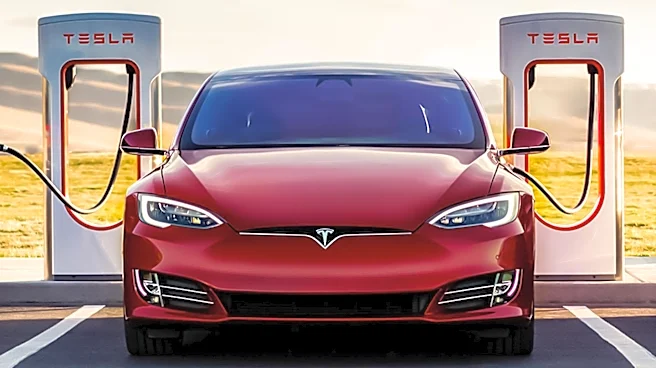
found that used EVs spent an average of 41.9 days on the market in September 2026, which is 13 days less than gas-powered cars. Hybrid vehicles were in the middle, averaging 48.6 days. This trend marks a 10.1 percent faster sales rate for used EVs compared to September 2025, while gas cars experienced a 19.9 percent longer sales window. Despite a higher average price of $32,533 for used EVs in September 2026, compared to $31,954 for gas vehicles, consumer interest is shifting. The Audi Q4 Sportback e-tron, Toyota bZ4X, and Lexus RZ 300e were identified as the fastest-selling used EVs. Tesla models, while not on the fastest-selling list, saw substantial price increases, with the Model S up by an average of $10,636 and the Model X by $9,336 since September 2025.
Why It's Important?
This shift in the used car market signifies a growing consumer preference for electric vehicles, driven in part by rising gas prices in the United States. The increased demand for used EVs, despite their higher price point compared to gas cars, suggests a broader acceptance and adoption of electric mobility. This trend could accelerate the transition away from internal combustion engine vehicles, impacting the automotive industry's production strategies and investment in EV technology. For consumers, the faster turnover of used EVs indicates a robust secondary market, potentially offering more options and competitive pricing in the long run. The price increases observed in Tesla models also highlight the strong brand loyalty and perceived value of certain EV manufacturers, influencing market dynamics and resale values across the EV segment. This development could also spur further development in charging infrastructure and battery technology to support the growing EV fleet.
What's Next?
The continued rise in gas prices is likely to further fuel interest in electric vehicles, potentially leading to sustained demand in both new and used EV markets. Automotive manufacturers may respond by increasing production of popular EV models and expanding their electric lineups to meet consumer demand. We could also see more competitive pricing strategies from manufacturers to attract a wider range of buyers, especially as battery technology advances and production costs potentially decrease. The used EV market is expected to remain dynamic, with continued price fluctuations based on supply, demand, and new model releases. Furthermore, the increased adoption of EVs will likely put more pressure on governments and private sectors to invest in and expand charging infrastructure, which is crucial for supporting a larger electric fleet. This trend may also influence policy decisions related to EV incentives and environmental regulations.
Beyond the Headlines
The rapid uptake of used EVs points to a significant cultural and economic shift beyond just transportation choices. It reflects a growing environmental consciousness among consumers, who are increasingly prioritizing sustainability and lower carbon footprints. This trend could have long-term implications for energy consumption patterns, reducing reliance on fossil fuels and potentially contributing to cleaner air in urban areas. Economically, the robust used EV market could create new business opportunities in battery recycling, EV maintenance, and specialized repair services. It also challenges traditional notions of vehicle ownership and value depreciation, as EVs maintain strong resale values. The data also suggests a potential widening gap between luxury and mainstream EV adoption, as luxury brands tend to sell better when shoppers aren't looking at electric models, indicating different market segments are being targeted and influenced by various factors.