







What's Happening?
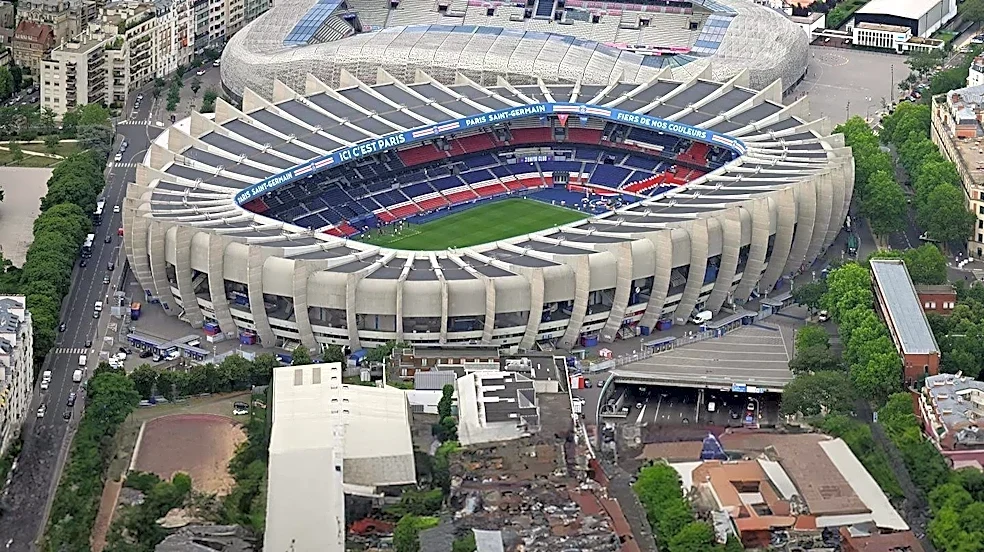
Paris Saint-Germain (PSG) is nearing a significant decision regarding the location of its new stadium, with three sites currently under consideration: Parc des Princes in Paris, Poissy, and Massy. The French champions are seeking a venue capable of accommodating
60,000 to 70,000 spectators to boost commercial revenue. PSG representatives, including chief executive Victoriano Melero, have engaged in discussions with officials from all three locations, focusing on pre-investment studies, site characteristics, and project development steps. The club aims to select a preferred location for further analysis by the end of 2026, though this will not be a final investment decision. The Parc des Princes, PSG's current home with a capacity of approximately 48,000, remains an option due to increased willingness from Paris's new administration to discuss a potential sale. Previously, disagreements with former city leadership led PSG to explore alternatives outside the capital. Poissy offers potential for a larger venue with support from automotive group Stellantis for land use, but faces infrastructure challenges. Massy is also in contention, though a proposed local referendum could complicate its selection.
Why It's Important?
The decision on a new stadium location holds significant implications for PSG's identity, future finances, and operational capabilities. A larger venue would allow for increased ticketing and hospitality income, crucial for enhancing the club's financial sustainability and competitiveness in European football. The choice between staying at the historic Parc des Princes or moving to a new site outside Paris will impact the club's connection with its history and fanbase. While a move outside Paris could offer greater development freedom, it would also entail substantial costs for transport links and supporting infrastructure. Conversely, expanding the Parc des Princes presents its own set of challenges within its existing urban surroundings. The club's ambition to increase capacity reflects a growing demand for matches that exceeds its current home's limits, highlighting the economic imperative behind this strategic move. The outcome will influence PSG's long-term revenue streams and its ability to host other major events, solidifying its position as a global sports entity.
What's Next?
Following the initial site selection by the end of 2026, further procedures will be undertaken, including a public debate involving France's National Commission for Public Debate. This indicates that actual construction of a new stadium remains several years away. PSG will need to conduct detailed analyses of the preferred location, considering transport infrastructure, financing models, and community impact. Stakeholder reactions, particularly from supporters' groups like Collectif Ultras Paris, who have voiced opposition to leaving Parc des Princes, will be crucial. The club will need to balance its commercial ambitions with maintaining its identity and connection to its fanbase. The selected location will require significant investment in development and infrastructure, necessitating careful financial planning and potential partnerships. The process will involve ongoing negotiations with local authorities and other entities to secure necessary approvals and resources for the project's advancement.
Beyond the Headlines
The pursuit of a new, larger stadium by Paris Saint-Germain reflects a broader trend in European football where clubs are increasingly seeking to maximize commercial revenue through modern facilities. This move goes beyond mere capacity expansion; it's about creating a comprehensive entertainment hub that can generate income beyond match days. The tension between preserving historical identity (staying at Parc des Princes) and embracing modern commercial opportunities (building a new, larger venue) highlights a common dilemma for established sports clubs. The decision will also have significant urban planning implications for the chosen location, potentially leading to new infrastructure development, job creation, and changes in local demographics. The involvement of a public debate commission underscores the societal impact of such large-scale projects, requiring transparency and community engagement. Ultimately, this decision will shape PSG's brand, financial power, and its relationship with its city and supporters for decades to come, influencing its standing in both the sporting and business worlds.