






What's Happening?
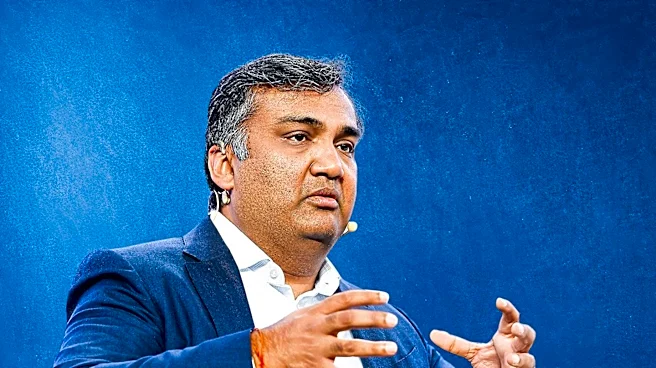
Shri Nikesh Arora, the Chairman and CEO of Palo Alto Networks, recently met with officials in Mumbai, India, including Devendra Fadnavis. The discussions focused on the integration of artificial intelligence (AI) into public services within Maharashtra
and the critical need for robust cybersecurity measures from the outset. The primary goal of these discussions was to ensure the protection of citizens' data and build trust in public services as Maharashtra adopts AI technologies. Key topics included the establishment of AI centers of excellence, skill development programs, and collaborative initiatives aimed at creating secure ecosystems across public infrastructure. This engagement highlights the growing importance of cybersecurity in the context of AI adoption in governmental operations.
Why It's Important?
This meeting underscores the global imperative for integrating cybersecurity into AI development, particularly within public services. For U.S. technology companies like Palo Alto Networks, engaging with international governments on such critical infrastructure projects can open new markets and establish their expertise in a rapidly evolving technological landscape. The emphasis on 'secure eco-systems across public infrastructure' reflects a proactive approach to digital transformation, which, if successful, could serve as a model for other regions. The protection of citizen data is a universal concern, and the strategies discussed in Mumbai could influence best practices for data governance and privacy in AI-driven public services worldwide, including potential implications for U.S. companies operating internationally or dealing with cross-border data flows. The collaboration also highlights the increasing demand for specialized cybersecurity skills and AI expertise.
What's Next?
Following these discussions, it is anticipated that Palo Alto Networks and the Maharashtra government may explore joint programs and partnerships to implement the discussed cybersecurity and AI initiatives. This could involve pilot projects for AI centers of excellence, the development of specialized training programs for cybersecurity professionals, and the deployment of advanced security solutions within Maharashtra's public infrastructure. The success of these collaborations could lead to further expansion of Palo Alto Networks' presence in the Indian market and potentially influence similar discussions with other governments globally. The focus on 'secure eco-systems' suggests a long-term commitment to building resilient digital public services, which will require ongoing investment in technology and human capital.
Beyond the Headlines
The engagement between Palo Alto Networks and Maharashtra officials points to a broader trend of governments worldwide grappling with the ethical and security implications of AI. The proactive integration of cybersecurity from the 'first day' of AI adoption in public services sets a precedent for responsible technological advancement. This approach could mitigate future risks associated with data breaches, algorithmic bias, and the misuse of AI, which are significant concerns globally. The emphasis on 'skilling' also highlights the critical need for a workforce capable of managing and securing AI systems, suggesting a potential for educational and professional development partnerships. This collaboration could also influence international standards and best practices for AI governance and cybersecurity, impacting how U.S. companies develop and deploy AI solutions in a globalized market.