





What's Happening?
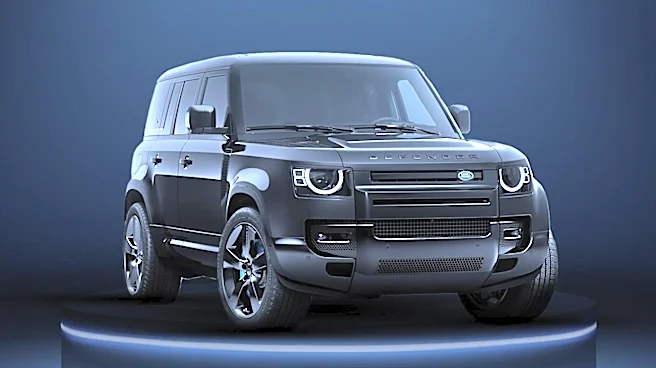
A court in the Netherlands has issued a ban preventing Chinese carmaker BYD from selling its Ti7 SUV in the European Union. This ruling comes after Jaguar Land Rover (JLR) initiated legal action, alleging that the Ti7 infringes upon its intellectual property
rights, specifically the design of the Land Rover Defender. The preliminary relief judge in The Hague district court determined that the Ti7 reflects the characteristic and distinctive elements of JLR's design. The ban is set to take effect one week after the ruling. JLR had launched its legal challenge earlier this year when BYD began taking orders for the Ti7 from UK customers. Bailiffs reportedly seized digital records from BYD's offices as part of the ongoing legal proceedings. While BYD currently has no concrete plans to introduce the Ti7 to the EU market, the court's decision aims to prevent future sales. The Ti7, a plug-in hybrid SUV, has been available in China since September and has been widely compared to the Land Rover Defender by motoring experts.
Why It's Important?
This ruling is significant as it marks a rare instance of a European automaker successfully pursuing legal action against a Chinese competitor for design infringement in court. Historically, many traditional carmakers have voiced concerns about Chinese companies copying their designs, but few cases have reached a judicial resolution. The decision underscores the increasing importance of intellectual property protection in the global automotive industry, particularly as Chinese manufacturers expand their presence in international markets. For JLR, the ban protects its flagship Defender model, which is one of its best-selling vehicles and a significant revenue generator. The Ti7 is considerably cheaper than the Defender, and its entry into the European market could have posed a competitive threat. The outcome could also set a precedent for other automakers considering legal action against alleged design infringements, potentially influencing future design and market strategies for both established and emerging car manufacturers.
What's Next?
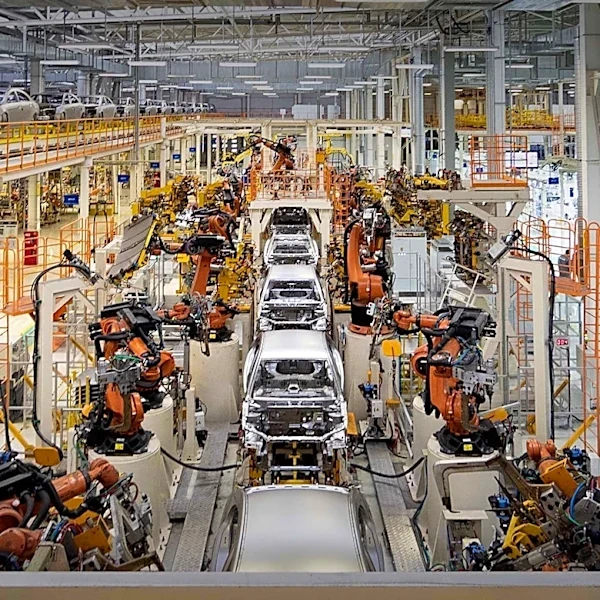
BYD has stated its strong disagreement with the Dutch court's ruling and intends to appeal the decision. The company maintains that the Ti7 is the result of its independent design work and does not infringe on JLR's rights, vowing to pursue all legal avenues to challenge the verdict. In addition to the sales ban, the court has also prohibited BYD from producing the Ti7 at its new factory in Szeged, Hungary, until the intellectual property case is fully resolved. This could impact BYD's manufacturing plans and its broader expansion strategy in Europe. JLR has indicated that legal proceedings are ongoing and declined to comment further at this time. The case highlights a growing trend of intellectual property disputes in the automotive sector, and the appeal process will be closely watched by industry stakeholders as it could further clarify the boundaries of design protection and competition.
Beyond the Headlines
The legal battle between JLR and BYD extends beyond a simple design dispute; it touches upon broader themes of global intellectual property rights, fair competition, and the evolving landscape of the automotive industry. The case reflects the challenges faced by established Western brands in protecting their designs from alleged replication by rapidly growing Chinese manufacturers. While the Dutch court's jurisdiction does not extend to BYD's activities in the UK, the ruling could influence consumer perception and market dynamics across Europe. The outcome of BYD's appeal will be crucial in determining the extent to which design patents can be enforced internationally and may encourage more European automakers to pursue legal avenues against perceived infringements. This case also highlights the strategic importance of design as a competitive differentiator in a crowded market, emphasizing the value companies place on their unique aesthetic and engineering innovations.