



What's Happening?
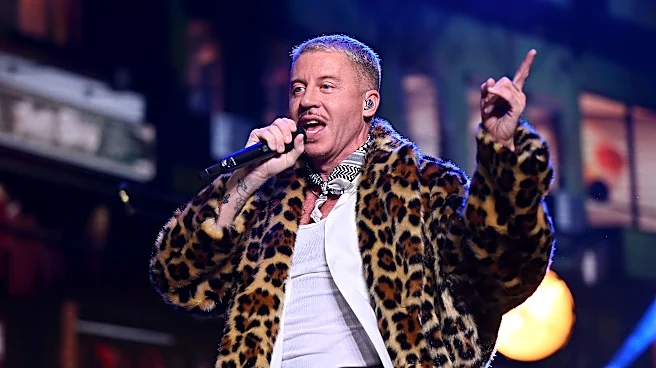
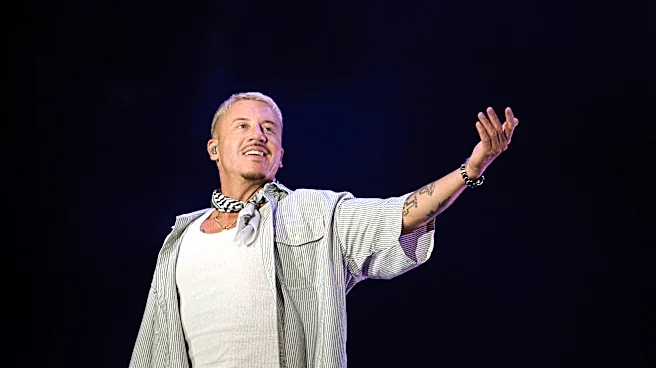
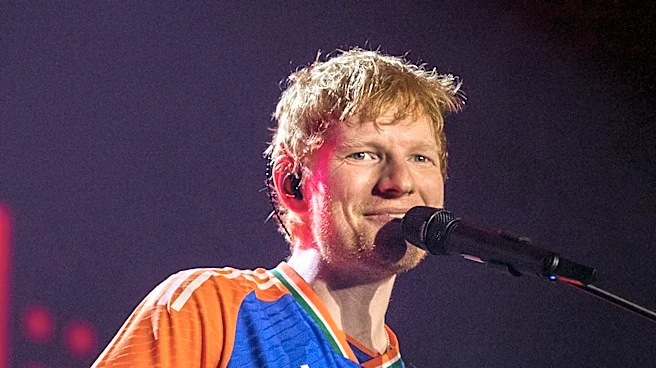
During an opening performance for Ed Sheeran at MetLife Stadium in New Jersey on September 4, 2026, rapper Macklemore delivered a pro-Palestinian speech, stating, “I believe that every human being walking on this earth deserves exactly the same freedom.”
This message, which included a “Free Palestine” shout and accusations of a “false genocide” against Israel, has ignited significant controversy. Pop star Pink re-shared a post from the group Stop Antisemitism, criticizing Macklemore's actions. The post labeled his speech as “anti-Israel propaganda” and deemed it “unacceptable,” suggesting that concertgoers were owed apologies and refunds. The Israeli American Council has also launched a petition demanding that Ed Sheeran remove Macklemore from all remaining tour dates, arguing that a global concert platform should not be used to advance a “one-sided political agenda.” Macklemore's pro-Palestinian stance is not new; he released the song “Hind’s Hall” in 2024, which openly criticizes Israel’s military actions in Gaza, with proceeds going to humanitarian efforts. The performance of this specific song during his set has been a particular point of contention.
Why It's Important?
This incident highlights the increasing intersection of celebrity platforms and geopolitical issues, particularly the Israeli-Palestinian conflict, within the U.S. entertainment landscape. When prominent artists like Macklemore use their stage to express strong political views, it can polarize audiences and create significant public relations challenges for other artists and event organizers, such as Ed Sheeran. The backlash from groups like Stop Antisemitism and the Israeli American Council demonstrates the sensitivity and divisiveness of the issue, leading to calls for apologies and even demands for artists to be removed from tours. This situation underscores the pressure on public figures to navigate complex global conflicts, as their statements can quickly escalate into broader cultural and political debates. It also raises questions about the role of concerts as spaces for political expression versus entertainment, and the expectations of diverse fan bases who may hold differing views on such sensitive topics. The financial implications, such as demands for refunds, also indicate the tangible impact of such controversies on the music industry.
What's Next?
The immediate next steps will likely involve continued pressure on Ed Sheeran and his management to address the petition from the Israeli American Council, which demands Macklemore's removal from the tour. Ed Sheeran's response, or lack thereof, will be closely watched by both pro-Palestinian and pro-Israel groups, as well as the broader music industry. Macklemore may also face further public statements or actions from advocacy groups, potentially impacting his future performance opportunities or public image. The controversy could also prompt other artists to reconsider how they use their platforms for political commentary, especially on highly sensitive international issues. The petition's current lack of public signature count means its immediate impact is hard to gauge, but its existence signals a concerted effort to hold Macklemore accountable. The incident may also lead to increased scrutiny of concert policies regarding political speech by opening acts, potentially influencing contractual agreements for future tours.
Beyond the Headlines
This event delves into the deeper implications of artistic freedom versus audience expectations and the commercial realities of the entertainment industry. The use of a mainstream concert as a platform for political activism, particularly on a contentious international issue like the Israeli-Palestinian conflict, raises ethical questions about the responsibility of artists and event organizers. It also reflects a broader societal trend where consumers increasingly expect brands and public figures to take stances on social and political matters, yet simultaneously demand a 'safe' or apolitical environment in certain contexts. The controversy surrounding Macklemore's speech could contribute to a chilling effect, where artists might become more hesitant to express strong political views for fear of alienating segments of their audience or facing professional repercussions. Conversely, it could embolden others to use their platforms more assertively, viewing such backlash as validation of their message. This incident also highlights the ongoing challenge of addressing complex geopolitical narratives in simplified, public forums, often leading to accusations of bias or lack of context.