







What's Happening?
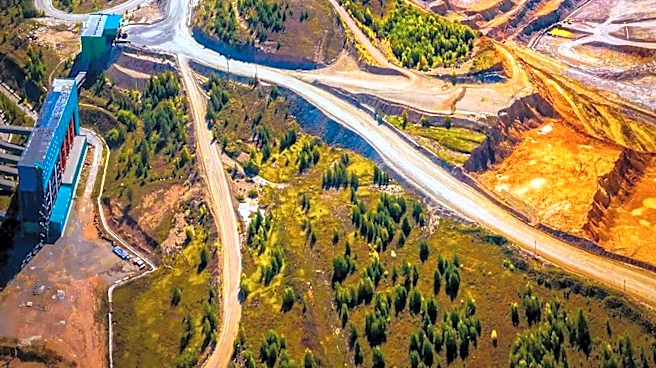
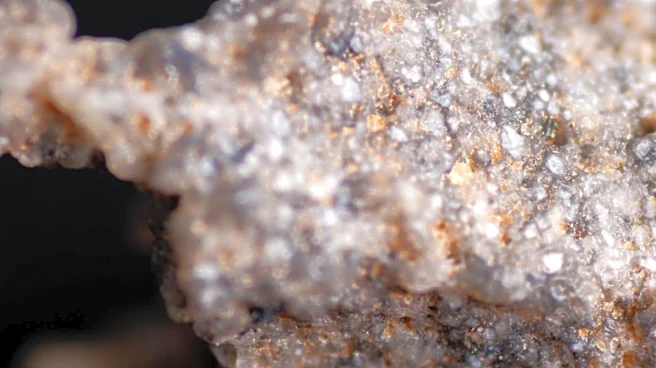
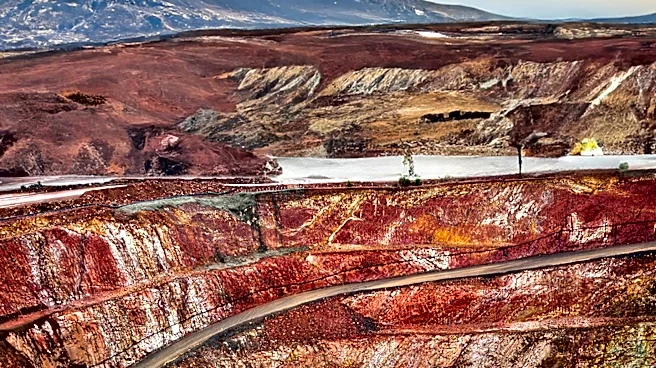
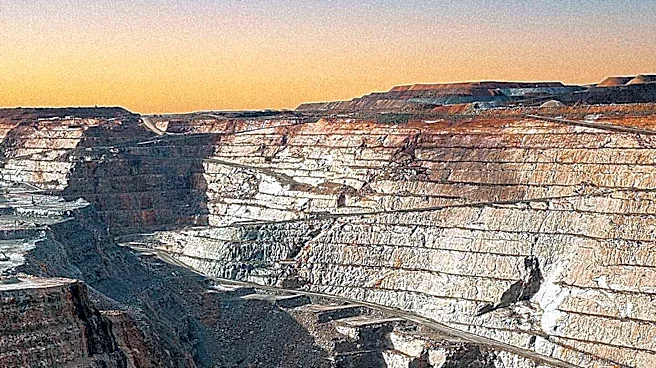
Bunker Hill Mining has successfully produced its first concentrate at the redeveloped Bunker Hill Mine in Idaho's Silver Valley, marking the first output from the site in 45 years. The mine, which was closed in 1981 due to new U.S. environmental laws,
has undergone extensive redevelopment and modernization over the past six years. The company plans to ship the concentrate to the Trail Smelter. Bunker Hill Mining aims to reach commercial production by the end of 2026, contingent on sustaining operations at 65% of its 1,800 tonnes per day throughput for 90 days. The company is also conducting exploration activities to assess high-grade silver-lead mineralization.
Why It's Important?
The reopening of the Bunker Hill Mine is significant for the local economy and the U.S. domestic supply chain. The mine's revival is expected to create jobs and contribute to the local economy in Kellogg and Wardner, Idaho. Additionally, the production of critical metals like silver and base metals is crucial for various industries, including technology and manufacturing. The mine's operations align with national interests in securing domestic sources of essential minerals, reducing reliance on foreign imports, and supporting the U.S. economy's resilience.
What's Next?
Bunker Hill Mining plans to continue its exploration activities, with further drilling scheduled to enhance mineral resource estimates. The company is focused on optimizing its processing system to achieve maximum efficiency and meet commercial production targets by the end of 2026. As the mine ramps up operations, it will likely play a pivotal role in supplying critical metals to the U.S. market. The success of this project could encourage further investments in the mining sector, particularly in regions with untapped mineral resources.