


What's Happening?
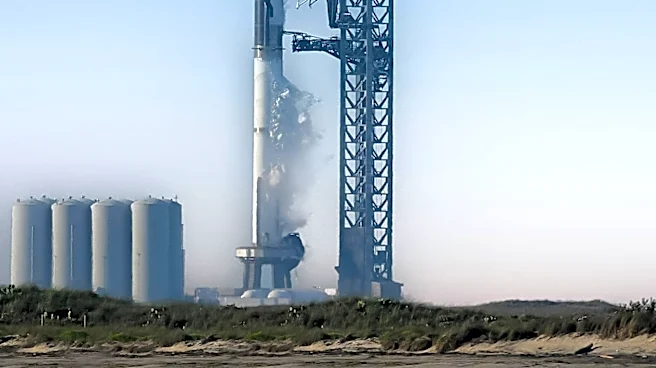
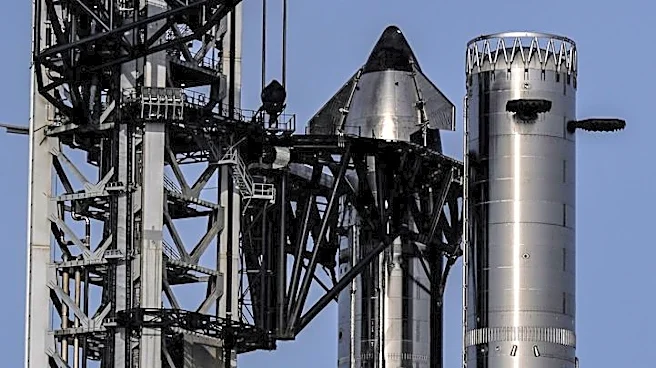
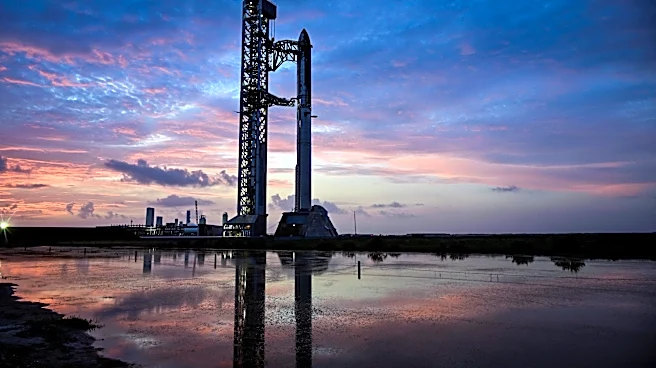
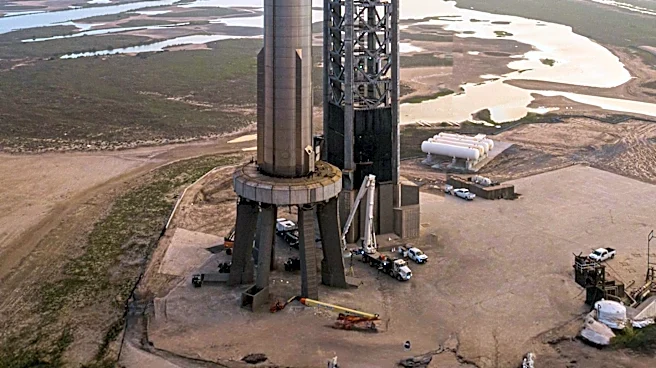
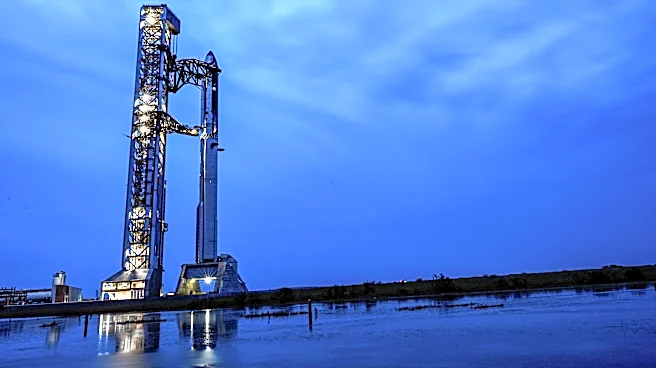
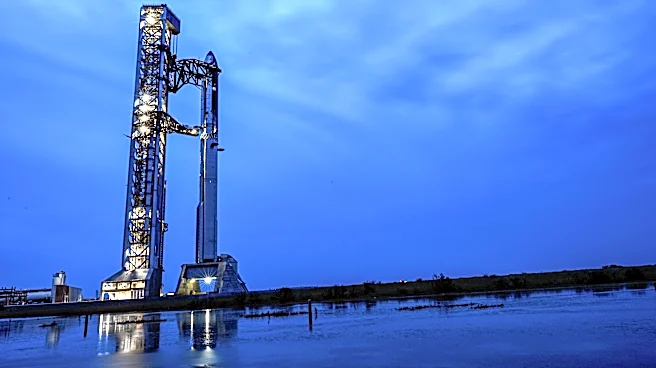
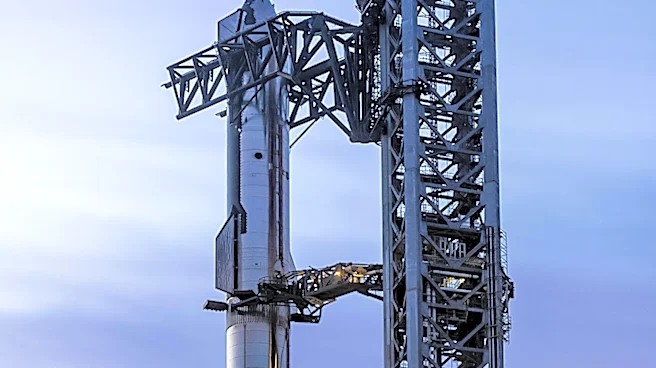
SpaceX's Starship Flight 13 launched from its Starbase facility in Texas, marking a significant milestone by deploying operational Starlink V3 satellites. The 397-foot-tall rocket, powered by 33 Raptor engines, lifted off after overcoming previous delays
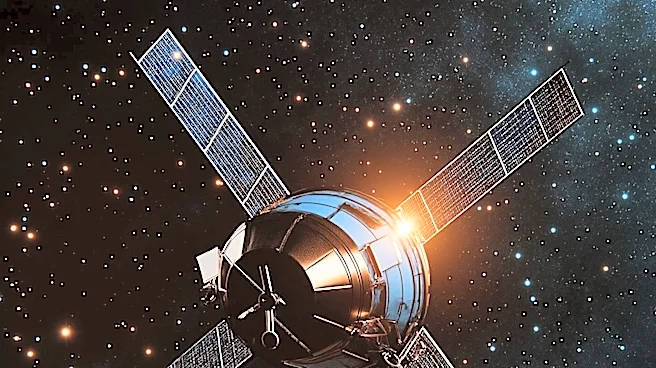
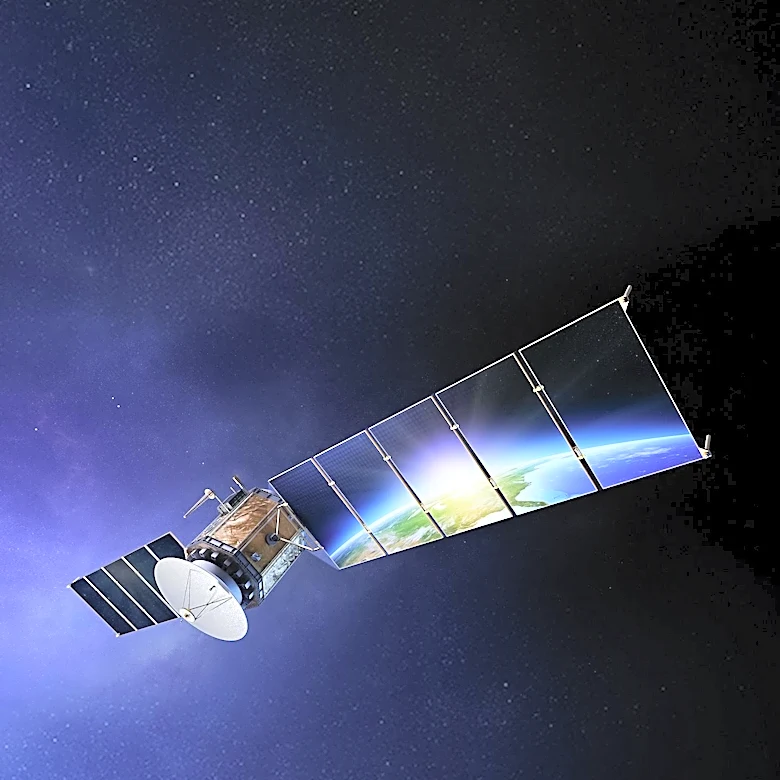
due to engine issues and weather conditions. The mission successfully deployed 20 next-generation Starlink V3 satellites, marking the first operational deployment from Starship. The upper stage of the rocket performed flawlessly, executing a controlled splashdown in the Indian Ocean, a first for the program. This test flight demonstrated improved booster performance and addressed previous engine issues, providing valuable data for future missions.
Why It's Important?
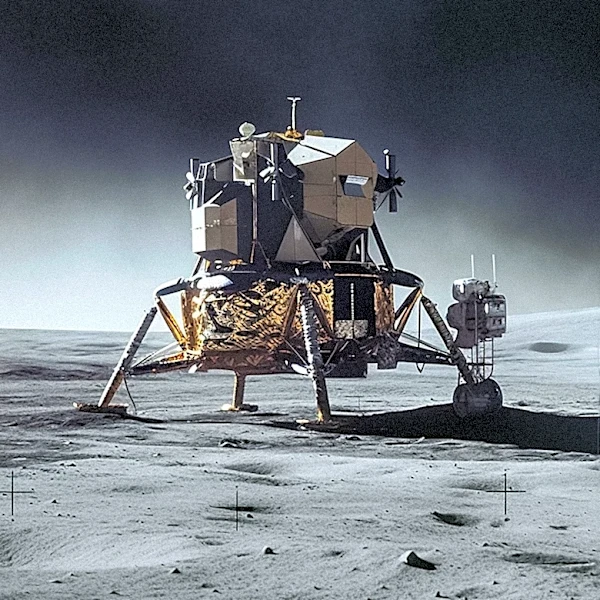
This successful test flight is crucial for SpaceX as it transitions Starship from a test vehicle to a payload delivery system. The deployment of Starlink V3 satellites is a key step in expanding SpaceX's satellite internet constellation, which currently boasts over 10,000 operational satellites. The mission's success also supports NASA's Artemis program, as SpaceX aims to use a modified Starship for lunar landings. The ability to deploy satellites and execute controlled splashdowns enhances SpaceX's credibility and operational capabilities, potentially reducing reliance on the Falcon 9 for satellite launches and advancing the timeline for lunar missions.
What's Next?
SpaceX plans to continue refining Starship's capabilities, focusing on achieving full orbital flights and further improving reentry and landing techniques. The company aims to demonstrate in-space refueling and develop a crewed lander version of Starship for NASA's Artemis missions. As SpaceX works towards routine Starlink V3 deployments, it will need to address any remaining technical challenges and ensure the reliability of its launch and landing systems. The success of these efforts will be critical for meeting NASA's timeline for lunar missions and for SpaceX's long-term goals of Mars colonization.