

What's Happening?
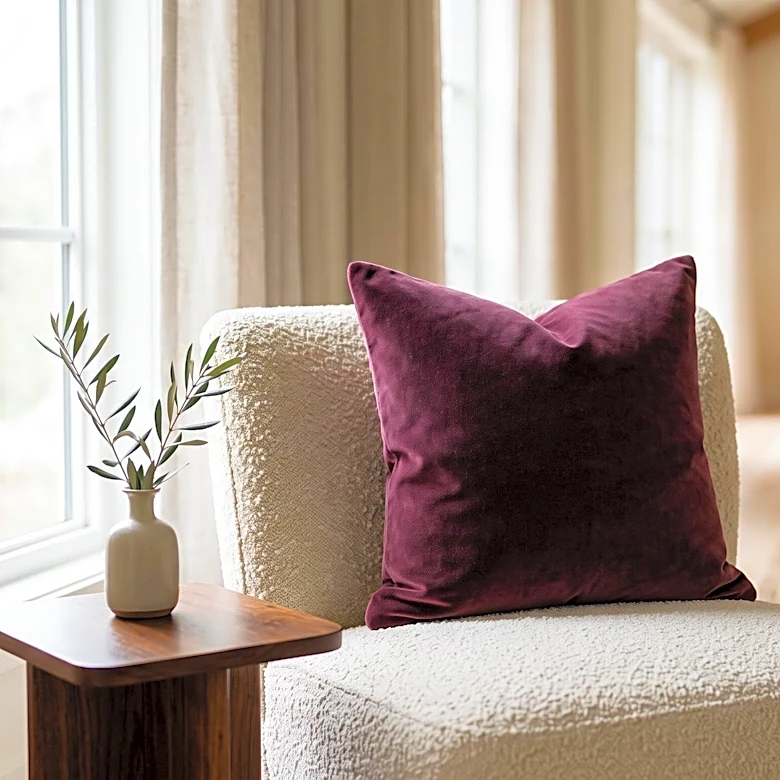
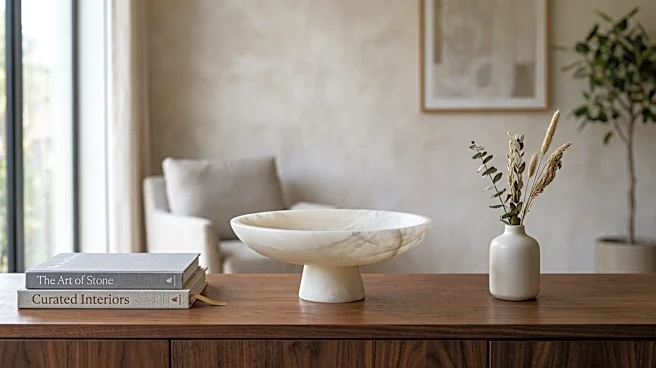
The cottagecore aesthetic is increasingly influencing U.S. home decor, characterized by a blend of English cottage elements, country house styles, and vintage inspirations. This trend moves away from previous minimalist and 'beige' interiors, incorporating
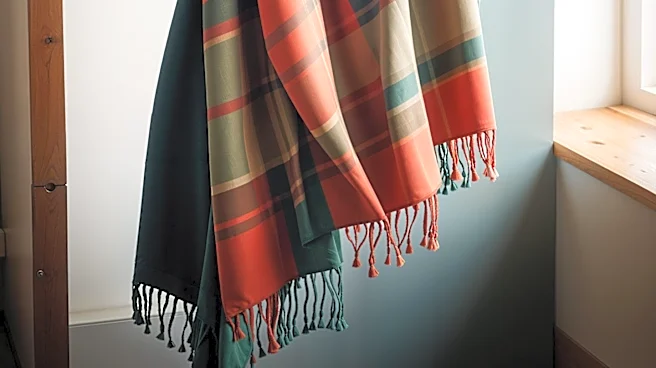
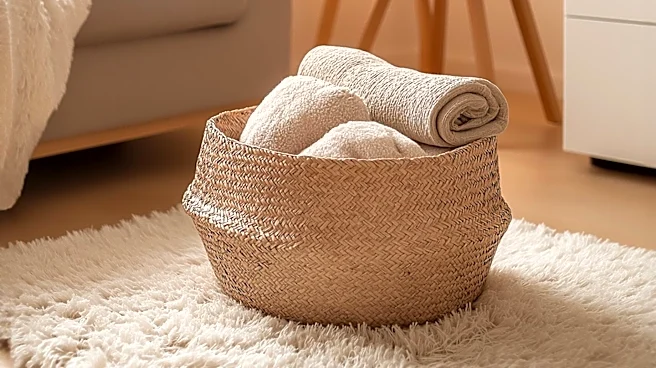
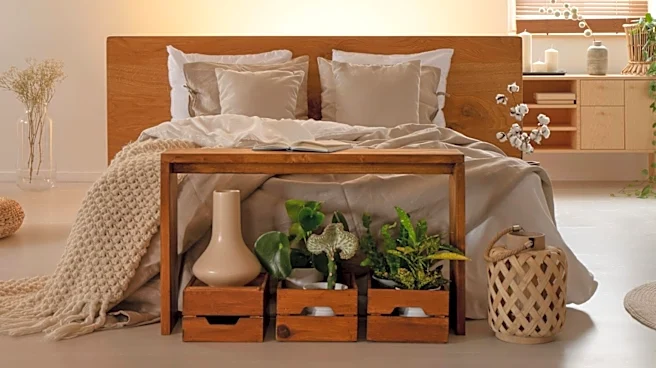
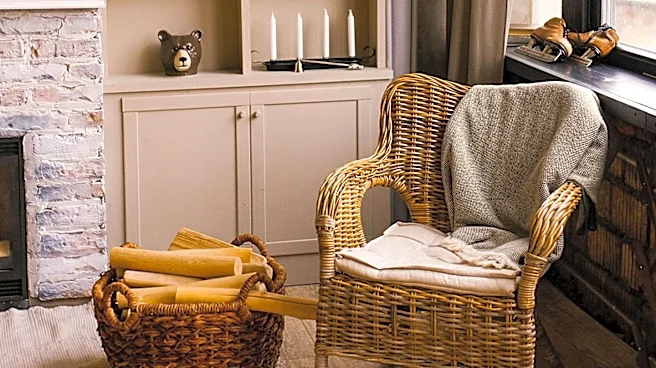
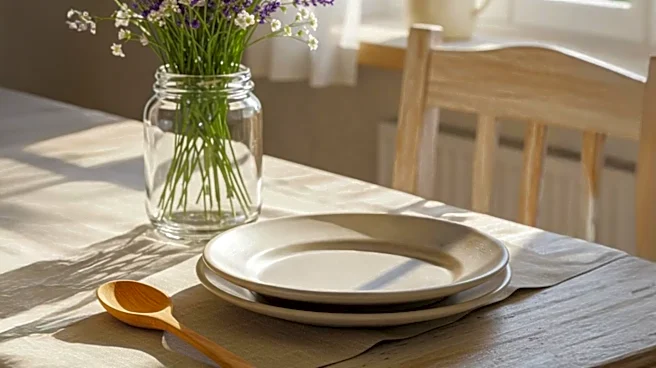
dried flowers, vintage crockery, crochet blankets, and antique furniture. The style emphasizes a return to natural materials like patinated wood, linen, cotton, wool, and lace. It encourages the display of imperfect, found objects such as wicker baskets, ceramic items, and antique silver cutlery. The aesthetic also favors warm, subdued lighting from multiple lamps and candles, along with natural greenery like dried flowers and eucalyptus branches. This shift is partly attributed to a desire for disconnection from the overly polished and perfect, and a fundamental need to reconnect with nature in an increasingly digital world. The #cottagecore trend saw a significant surge in popularity following the pandemic lockdowns, indicating a widespread desire for comfort and well-being at home.
Why It's Important?
The growing popularity of cottagecore in the U.S. signifies a broader cultural shift in consumer preferences and lifestyle choices. This trend impacts the home decor and retail industries, as demand for vintage, handmade, and natural products increases. Businesses specializing in antiques, second-hand goods, and artisanal crafts stand to gain, while manufacturers of minimalist or mass-produced modern decor may need to adapt their offerings. Socially, it reflects a collective yearning for comfort, nostalgia, and a simpler way of life, potentially influencing mental well-being by creating more comforting and less sterile home environments. The emphasis on sustainability and eco-friendly products, often associated with cottagecore, could also drive consumer demand for ethically sourced and durable goods, impacting supply chains and manufacturing practices across various sectors. This aesthetic movement suggests a re-evaluation of what constitutes a desirable living space, prioritizing warmth and character over sleek modernity.
What's Next?
The continued rise of cottagecore suggests that related industries will likely see further growth and adaptation. Retailers may expand their vintage and handmade product lines, while interior designers could incorporate more rustic and natural elements into their projects. We might see an increase in workshops and DIY content focused on crafting, upcycling, and gardening, as individuals seek to embody the cottagecore lifestyle more fully. The trend could also influence adjacent markets such as fashion, with a greater emphasis on natural fabrics, floral patterns, and vintage-inspired clothing. As the aesthetic becomes more mainstream, there may be a push for more accessible and affordable ways to achieve the look, potentially leading to mass-market interpretations of cottagecore elements. The focus on sustainability and natural living within this trend could also spur innovation in eco-friendly home products and materials.
Beyond the Headlines
Beyond its aesthetic appeal, cottagecore represents a deeper cultural commentary on modern life. It can be seen as a romanticized rejection of hyper-consumerism and the fast-paced digital world, offering an idealized vision of rural simplicity and self-sufficiency. This movement taps into a collective longing for authenticity and a connection to nature, which may have psychological benefits in an era marked by stress and digital overload. Ethically, the emphasis on second-hand items and handmade goods promotes sustainability and reduces waste, aligning with broader environmental concerns. However, there's also a potential for commercialization to dilute the core values of the aesthetic, turning it into another trend driven by mass production rather than genuine artisanal craft. The cottagecore phenomenon highlights a desire for comfort and security, reflecting a societal need for grounding in uncertain times, and its enduring appeal may signal a long-term shift in how people define 'home' and 'well-being'.