





What's Happening?
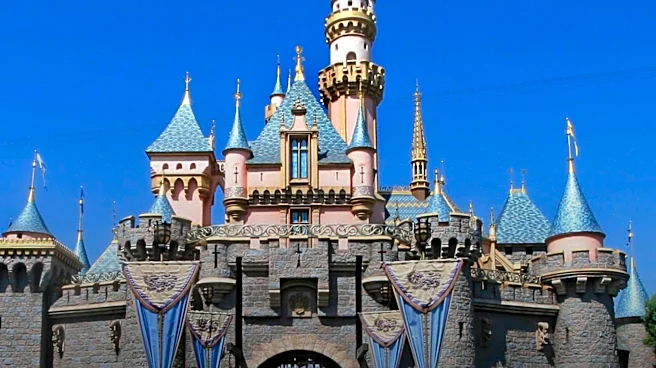
Disneyland has implemented its smallest admission price increase in years, with prices for certain mid-level single-day, single-park tickets rising by only $5. Notably, the cost of the lowest-priced ticket ($104) and the highest-priced ticket ($224) remained
unchanged. Additionally, the popular annual pass program, Magic Key, saw no price increase, and parking costs remained fixed at $40. This modest adjustment comes as Disneyland acknowledges that patrons are increasingly watching their wallets, a sentiment echoed by Thomas Mazloum, chairman of Disney Experiences, who stated that the company aims to put guests at the center of its decision-making, especially when families are budget-conscious. This contrasts with previous years, particularly under former CEO Bob Chapek, when annual pass prices significantly soared.
Why It's Important?
This strategic decision by Disneyland reflects a growing awareness of affordability pressures impacting consumers, even for premium entertainment experiences. By limiting price hikes, Disney aims to mitigate potential backlash and maintain its broad customer base, which is crucial for long-term engagement and merchandise sales. The previous aggressive price increases, particularly during Bob Chapek's tenure, raised concerns about pricing out a significant portion of the population, potentially alienating future generations of customers. This shift suggests a re-evaluation of the balance between maximizing short-term revenue and ensuring accessibility for a diverse audience. The move could influence other entertainment and leisure companies to reconsider their pricing strategies in response to broader economic trends and consumer sentiment.
What's Next?
Disneyland is expected to continue using various promotional strategies, such as discounted evening passes and special deals through partners like Costco, to attract visitors without directly cutting base ticket prices. This approach allows the park to manage demand and cater to different segments of its audience. The company will likely monitor guest attendance and spending patterns closely to assess the effectiveness of these strategies and the overall impact of affordability concerns. Future pricing decisions will likely remain sensitive to economic conditions and consumer feedback, with a continued focus on balancing profitability with maintaining a broad appeal for the 'Happiest Place on Earth.'
Beyond the Headlines
The discussion around Disneyland's pricing strategy extends beyond mere economics; it touches upon the cultural significance of the park as a family destination. The concern that Disney might be 'catering to the richest 10% of the country' highlights a potential erosion of its universal appeal and a shift away from its founding ethos of accessibility. This development could lead to a broader societal debate about the democratization of leisure and entertainment, and whether iconic cultural institutions risk losing their essence by becoming exclusive. The long-term implications could include a change in brand perception, a decline in multi-generational loyalty, and a challenge to Disney's image as a place for 'everyone.' The company's current cautious approach to pricing suggests an acknowledgment of these deeper cultural and ethical considerations.