






What's Happening?
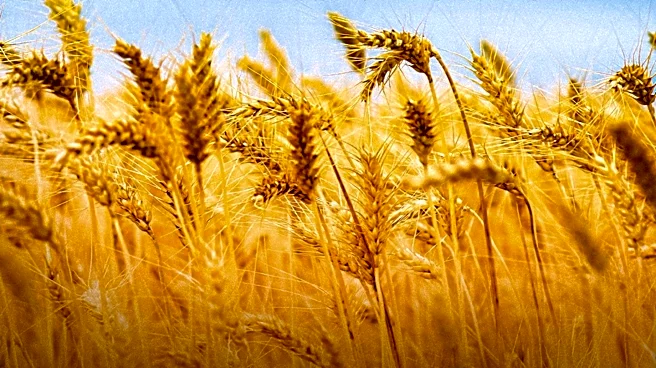
The U.S. Department of Agriculture's (USDA) July Crop Report has led to a significant rally in grain markets, driven by tighter supplies and robust export demand. The report, discussed in the Ag Commodity Corner+ Podcast, highlighted unexpected declines
in U.S. ending stocks for corn, soybeans, and wheat for the 2026-27 crop year. Analysts Moe Agostino and Abhinesh Gopal noted that the export demand for U.S. corn is stronger than anticipated, suggesting that the market has not fully accounted for this strength. Weather conditions also play a crucial role, with forecasts alternating between hot, dry conditions and cooler, wetter patterns across the Corn Belt, potentially affecting crop yields. Additionally, geopolitical tensions impacting shipping routes through the Sea of Azov are contributing to the bullish outlook for wheat prices.
Why It's Important?
The USDA's report and subsequent market reactions underscore the critical role of agricultural forecasts in shaping commodity markets. The tightening of grain supplies and strong export demand could lead to higher prices, benefiting U.S. farmers and agribusinesses. However, the uncertainty in weather patterns poses risks to crop yields, which could impact food supply and prices globally. The geopolitical factors affecting wheat logistics further highlight the interconnectedness of global agricultural markets. The potential development of a strong El Niño could exacerbate production risks in South America, affecting global supply chains and pricing structures. This situation presents both opportunities and challenges for stakeholders in the agricultural sector, from producers to investors.
What's Next?
Looking ahead, the agricultural markets will closely monitor weather developments and geopolitical tensions that could influence supply and demand dynamics. The potential impact of a strong El Niño on South American crop production could lead to further volatility in grain prices. Continued strong purchases of U.S. soybeans by China and increased investment fund activity in grain futures suggest a sustained bullish sentiment in the market. Stakeholders will need to navigate these uncertainties, balancing risk management with opportunities for growth in the agricultural sector.