




What's Happening?
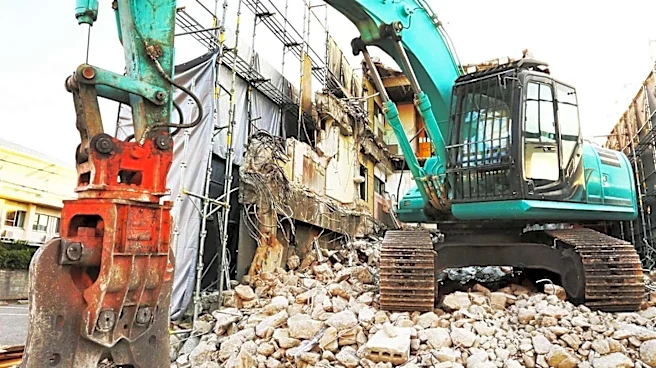
The Concord Mall in Delaware, which opened in 1969 and spans 846,896 square feet, is slated for demolition. Pennsylvania developer Abrams Realty and Development plans to replace the existing structure with a new, smaller 233,100-square-foot 'general retail
building.' This redevelopment initiative aims to revitalize the site of what is described as a 'dying' mall. The project signifies a significant transformation for the Brandywine Hundred area, moving away from the traditional large-scale enclosed mall format towards a more contemporary retail complex. The decision to demolish and redevelop reflects broader trends in the retail industry, where older, larger malls are struggling to attract tenants and customers, leading to a shift towards more compact and accessible retail spaces.
Why It's Important?
The redevelopment of Concord Mall is important for several reasons, primarily impacting the local economy and retail landscape in Delaware. The demolition of a long-standing mall and its replacement with a new retail building indicates a significant shift in consumer behavior and retail strategies. This project could bring new businesses and job opportunities to the area, potentially boosting local employment and tax revenues. However, it also signifies the decline of traditional enclosed malls, which were once central to community life and commerce. The new, smaller retail format suggests a move towards more specialized or convenience-oriented shopping experiences, which could alter the competitive landscape for existing businesses in the region. The success of this redevelopment could serve as a model for other struggling malls across the U.S., influencing future urban planning and commercial real estate decisions.
What's Next?
Following the announcement, the next steps will involve the formalization of demolition plans and the commencement of construction for the new retail building. This process will likely entail obtaining necessary permits, environmental assessments, and engaging with local community stakeholders. The developer will also focus on attracting new tenants for the smaller retail space, which will be crucial for the project's long-term success. The redevelopment is expected to transform the retail offerings in the Brandywine Hundred area, potentially leading to new shopping experiences for residents. Local businesses and residents will be observing the progress closely, as the project could impact traffic patterns, local employment, and the overall economic vitality of the region. The completion of the new retail building will mark a new chapter for the site, reflecting modern retail demands.
Beyond the Headlines
The demolition and redevelopment of Concord Mall highlight a broader societal and economic trend: the decline of the traditional American shopping mall. This phenomenon is driven by factors such as the rise of e-commerce, changing consumer preferences for experiential retail, and the aging infrastructure of many older malls. The shift from large, enclosed spaces to smaller, more focused retail centers reflects a re-evaluation of how physical retail spaces function in a digital age. This trend has significant implications for urban planning, property values, and community identity, as malls often served as social hubs. The ethical considerations include the environmental impact of demolition and new construction, as well as ensuring that new developments serve the needs of the community and do not exacerbate existing inequalities. The long-term shift could see more mixed-use developments that integrate retail with residential or entertainment options, creating more dynamic and sustainable urban environments.