








What's Happening?
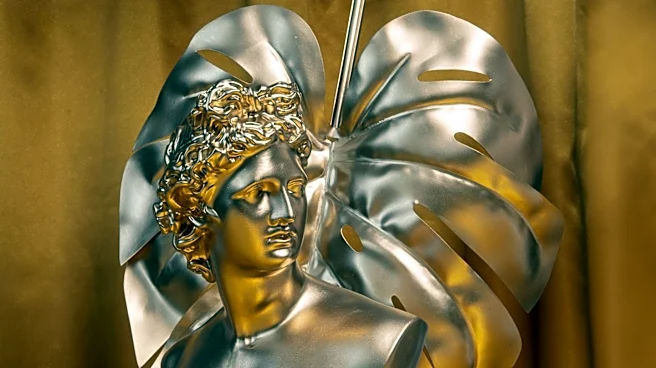
The works of the late married artists, Les Lalanne, have become a significant status symbol among billionaires and the creative elite. Their art, often featuring animal and plant sculptures and furniture, is characterized by its distinctive brass material
and fairytale-like aesthetic. Examples include a rhino-shaped desk, a bird-shaped bed, and a camel-shaped seat. Historically collected by French fashion figures since the 1960s, including Yves Saint Laurent and the Rothschilds, the demand for their pieces has surged, with some items like their sheep sculptures selling for millions. The art market has seen a substantial increase in the value of Les Lalanne's works, making them highly sought after by affluent collectors.
Why It's Important?
The escalating value and desirability of Les Lalanne's artworks highlight a significant trend in the high-end art market, where unique and whimsical pieces are becoming prime investments and symbols of wealth. This phenomenon reflects how art can transcend its aesthetic value to become a marker of social status and financial prowess. The increased demand for these specific artists' works can influence art market dynamics, potentially driving up prices for similar whimsical or sculptural art. It also underscores the role of celebrity and historical association in elevating an artist's profile and market value, as their pieces were collected by influential figures for decades. This trend could lead to a broader re-evaluation of decorative arts and functional sculptures within the fine art world.
What's Next?
The continued demand for Les Lalanne's works suggests that their market value will likely remain high, with potential for further appreciation. Art auctions and galleries will continue to feature their pieces, attracting competitive bidding from wealthy collectors. This trend may also inspire contemporary artists to create works that blend functionality with sculptural art, potentially leading to a new wave of collectible design. Furthermore, the increased visibility of Les Lalanne's art could lead to more exhibitions and scholarly interest, solidifying their place in art history and influencing future artistic movements that explore the intersection of art and design.
Beyond the Headlines
The phenomenon of Les Lalanne's art becoming a status symbol delves into the deeper sociological aspects of wealth and consumption. It illustrates how luxury goods, particularly art, are used by the elite to signal taste, exclusivity, and cultural capital. The debate among collectors and art advisers regarding the 'conceptual content' or 'kitsch' nature of some pieces reveals the subjective and often contentious nature of value in the art world. This situation also touches upon the ethical considerations of art acquisition, with some lamenting that billionaires buy art 'just to buy it,' rather than for genuine appreciation. It highlights the tension between artistic merit and market speculation, and how historical context and influential ownership can profoundly shape an artist's legacy and market trajectory.