
What's Happening?
Godiva, the luxury chocolate maker, is commemorating its 100th anniversary with a series of special releases for the Christmas season. The celebrations include a new festive chocolate collection featuring
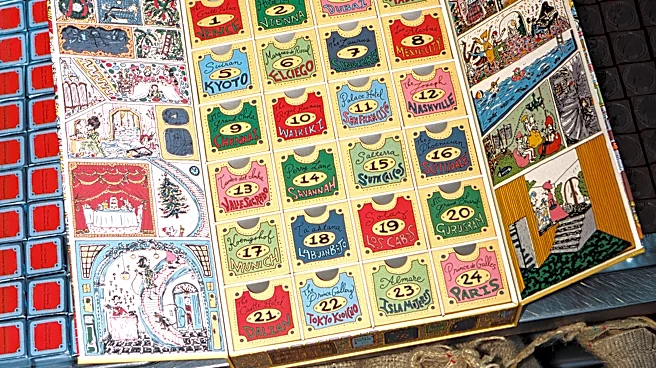
additions to its Masterpiece edit, such as Dark Chocolate Raspberry Ganache, alongside assorted gifting bags and boxes. A significant part of the centenary celebration is the collaboration with Turkish artist Ekrem Yalçındağ for the Centennial Collection Art Edition. This partnership translates Yalçındağ’s artwork into packaging designs, textiles, and bespoke chocolate molds, aiming to evoke a sense of home. This artistic collaboration is part of a broader trend among premium confectionery brands to integrate art and design to elevate seasonal gifting and foster deeper emotional connections with consumers. Furthermore, Godiva is expanding beyond traditional confectionery by launching a limited-edition dessert, the Godiva Masterpiece Ganache Torte. This dessert, created by Godiva’s executive chef Thierry Muret and chef Jakob Sleight of Macy’s Herald Square’s Stella 34 Trattoria, will be available for a limited time, highlighting the blurring lines between confectionery and foodservice.
Why It's Important?
Godiva's centenary celebrations and strategic initiatives are important for the U.S. luxury food market and retail sector. By collaborating with an artist and launching premium, art-inspired packaging, Godiva is tapping into the growing consumer demand for experiential and aesthetically pleasing products, particularly during the holiday gifting season. This approach can drive sales and reinforce its position as a high-end brand in a competitive market. The partnership with Macy's for a limited-edition dessert signifies a strategic move into the foodservice industry, allowing Godiva to reach consumers in new environments and expand its brand presence beyond traditional retail aisles. This diversification could open new revenue streams and enhance brand visibility. For the broader confectionery industry, Godiva's strategy exemplifies how heritage brands can remain relevant by innovating through collaborations, unique product offerings, and by creating a more immersive brand experience, influencing other premium brands to adopt similar strategies to engage consumers.
What's Next?
Godiva's centenary initiatives are expected to continue throughout the holiday season, with the new Christmas collection and the limited-edition ganache torte being key offerings. The success of the artist collaboration and the dessert launch will likely influence future marketing and product development strategies for Godiva, potentially leading to more artistic partnerships and further ventures into the foodservice sector. Other luxury confectionery brands in the U.S. will likely observe Godiva's approach to see how consumers respond to the integration of art and experiential dining. This could spur a trend of similar collaborations and cross-industry partnerships within the premium food and beverage market. Retailers, particularly department stores like Macy's, may also explore more exclusive brand collaborations and limited-time culinary offerings to attract customers and enhance their in-store experiences, especially during peak shopping seasons. The focus on creating unique, collectible, and experiential products is likely to remain a key strategy for premium brands.
Beyond the Headlines
Godiva's centenary strategy reflects a deeper shift in consumer values, where the experience and story behind a product are becoming as important as the product itself. The collaboration with an artist and the creation of a bespoke dessert elevate chocolate from a simple treat to a cultural artifact and a culinary experience. This trend highlights the increasing convergence of art, food, and luxury, where brands seek to offer more than just a commodity but a lifestyle statement. Ethically, such collaborations can support artists and bring art to a wider audience, but they also raise questions about the commercialization of art. Culturally, these initiatives contribute to the premiumization of everyday goods, influencing consumer expectations for quality, design, and narrative in their purchases. This approach also underscores the importance of heritage brands finding innovative ways to connect with contemporary consumers while honoring their legacy, ensuring long-term relevance in a rapidly evolving market.