




What's Happening?
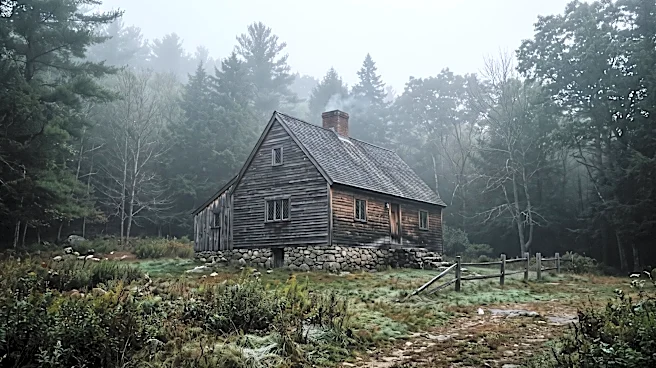
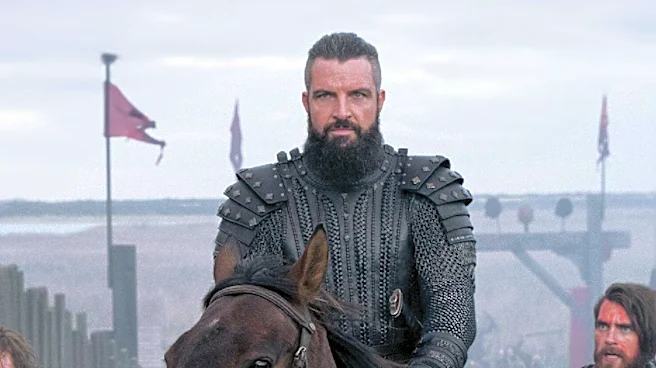
Ralph Ineson portrays William, the patriarch of a Puritan family, in Robert Eggers' debut film, 'The Witch.' The story is set in 17th-century New England, where a family, exiled from their community due to 'pride,' settles near a foreboding forest. The family consists
of William, his wife Katherine (Kate Dickie), and their five children. Their initial happiness and prosperity on the farm are shattered when their eldest daughter, Thomasin (Anya Taylor-Joy), loses the baby, who vanishes mysteriously. This incident marks the beginning of a series of misfortunes that plague the family. The film explores themes of psychological horror, where the perceived evil is not solely external but also stems from the internal corruption and repressed emotions within the family unit. As calamities unfold, family members begin to blame each other, fueled by jealousy, anger, hatred, and sexual longing. The parents project their frustrations onto the children, who in turn lash out at each other, leading to a slow perversion of the family's core.
Why It's Important?
The film's significance lies in its unique approach to psychological horror, diverging from conventional jump scares to focus on the breakdown of logic and the insidious nature of evil within a family. By setting the narrative in 17th-century New England, it taps into historical superstitions and folklore, offering a culturally resonant backdrop for its exploration of fear and paranoia. The meticulous attention to detail, including a pictorial mise-en-scène, natural lighting, and archaic English dialogue, immerses the audience in the historical period, enhancing the film's authenticity and unsettling atmosphere. This artistic choice elevates 'The Witch' beyond a typical horror film, positioning it as a commentary on the human psyche and the destructive power of internal conflict. The film's success demonstrates a demand for sophisticated horror narratives that prioritize psychological depth and thematic complexity over overt supernatural elements, influencing contemporary filmmaking trends in the genre.
What's Next?
While 'The Witch' has already been released, its continued critical acclaim and re-screenings suggest its enduring impact on the horror genre and independent cinema. The film's success has solidified Robert Eggers' reputation as a distinctive voice in filmmaking, leading to subsequent projects that maintain his signature style of historical accuracy and psychological depth. For Ralph Ineson, his compelling performance as William has likely opened doors to further roles in critically acclaimed and genre-bending productions. The film's exploration of historical themes and psychological terror continues to be a subject of academic study and film analysis, contributing to ongoing discussions about the evolution of horror and its capacity to reflect societal anxieties. Its influence can be seen in other films that prioritize atmospheric tension and character-driven dread, indicating a lasting legacy in cinematic storytelling.
Beyond the Headlines
Beyond its immediate narrative, 'The Witch' delves into profound ethical and cultural dimensions, particularly the psychological impact of isolation and religious extremism. The family's self-imposed exile and rigid Puritan beliefs contribute to their vulnerability, as their faith, intended to protect them, ultimately becomes a source of their undoing. The film subtly critiques the dangers of fanaticism and the human tendency to project internal failings onto external forces, such as a 'witch.' This exploration of moral decay and the corruption of logic resonates with broader societal concerns about the fragility of community and the destructive potential of unchecked paranoia. The film's ambiguity regarding the true nature of the evil—whether supernatural or psychological—invites viewers to confront their own interpretations of fear and morality, making it a powerful piece of cultural commentary that transcends its horror classification.