




What's Happening?
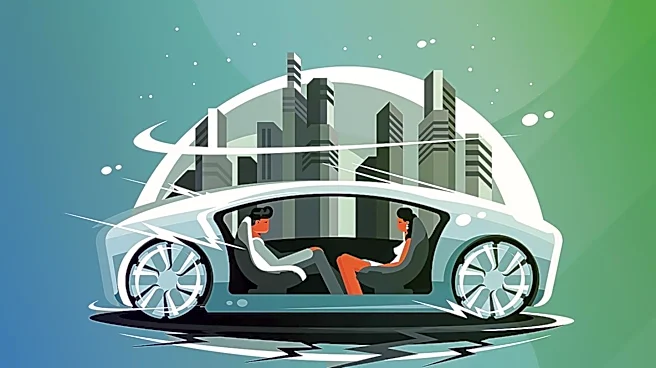
Amazon's Zoox has introduced a redesigned version of its self-driving vehicle, known for its distinctive toaster shape, as part of its strategy to expand its presence in the U.S. market. The updated robotaxi features enhancements aimed at improving passenger
comfort and usability, including higher-quality touchscreens, more comfortable seats, and headrests. Additionally, the vehicle's bidirectional reflectors have been enlarged and repositioned to help distinguish the front from the rear, aiding both riders and law enforcement. These changes come as Zoox prepares to expand into additional markets and begin charging for rides later this year. Since its launch in Las Vegas last September, Zoox has served over 500,000 riders, although it remains behind Alphabet's Waymo, which leads the U.S. robotaxi market.
Why It's Important?
The redesign and expansion of Zoox's robotaxi service signify Amazon's commitment to competing in the autonomous vehicle market, a sector poised for significant growth. By enhancing passenger experience and preparing to monetize its service, Zoox aims to capture a larger share of the market currently dominated by Waymo. This move could influence the competitive dynamics within the autonomous vehicle industry, potentially driving innovation and price competition. For consumers, the expansion of robotaxi services promises increased accessibility to convenient and potentially cost-effective transportation options. Additionally, the introduction of paid rides could impact urban mobility patterns and public transportation systems.
What's Next?
Zoox plans to roll out its redesigned robotaxi in additional U.S. markets later this year, with the introduction of paid rides marking a significant shift in its business model. As the company expands, it will likely face regulatory scrutiny and competition from established players like Waymo. The success of Zoox's expansion will depend on its ability to navigate these challenges while maintaining safety and reliability. Stakeholders, including city planners and transportation authorities, will be closely monitoring the impact of increased autonomous vehicle presence on traffic patterns and urban infrastructure.