





What's Happening?
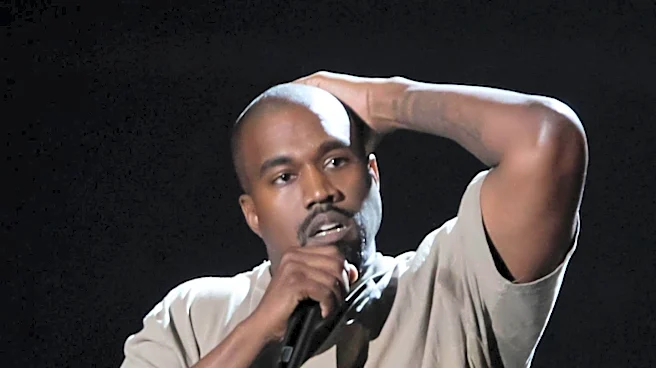
Digital Nas, a producer who has collaborated with Kanye West on albums such as Donda, Donda 2, and the Vultures installments, has announced his retirement from the music industry. He claims that his deal with YZY, Kanye West's company, resulted in him
receiving "0 royalties" and no publishing income for his contributions to songs like "Hurricane" and "Carnival." Digital Nas publicly appealed to Kanye West, stating that he had attempted to contact YZY staff without success and that the lack of payment was preventing him from financially supporting his family. He later apologized for airing the dispute publicly, indicating that the issue was "getting handled" and that he would be taking a break from social media. A 2024 Billboard report also noted that over 10 producers who contributed to Vultures 1 and Vultures 2 did not have signed agreements with West, impacting their ability to collect fees, royalties, and publishing income.
Why It's Important?
This situation highlights a significant issue within the music industry concerning artist compensation, particularly for producers and collaborators. The claim of unpaid royalties and lack of publishing income for work on high-profile albums underscores the financial vulnerabilities faced by many behind-the-scenes creatives. For the U.S. music industry, such disputes can lead to increased scrutiny of contractual agreements and payment practices, potentially influencing how artists and their teams structure future collaborations. It also raises questions about the responsibility of major artists and their labels to ensure fair compensation for all contributors. This incident could prompt other producers and collaborators to re-evaluate their contracts and advocate for more transparent and equitable payment terms, impacting industry standards.
What's Next?
Digital Nas's statement that the issue is "getting handled" suggests that negotiations or resolutions are underway, though the specifics remain undisclosed. This situation could lead to a more formalized process for ensuring that all collaborators on Kanye West's projects receive appropriate credit and compensation. It may also encourage other producers who have faced similar issues to come forward or seek legal counsel. The broader music industry might see a push for greater transparency in royalty distribution and publishing agreements, especially for independent producers working with established artists. This incident could also influence how artists and their teams approach contract negotiations, potentially leading to more stringent requirements for upfront agreements and clearer payment schedules to prevent future disputes.
Beyond the Headlines
Beyond the immediate financial dispute, this event touches upon the ethical responsibilities of prominent artists towards their collaborators. The power imbalance between a globally recognized artist like Kanye West and individual producers can make it challenging for the latter to secure fair terms and timely payments. This situation reflects a systemic issue in the music industry where credit and compensation for creative work are not always equitably distributed. It also raises questions about the role of artist-owned companies, like YZY, in upholding industry standards for fair practice. The public nature of Digital Nas's complaint and the subsequent attention it received could serve as a catalyst for broader conversations about labor rights and fair compensation for all creatives in the entertainment sector, potentially leading to long-term shifts in industry practices and advocacy efforts.