







What's Happening?
A recent meta-analysis published in 'Sleep and Biological Rhythms' has identified high-intensity yoga as the most effective form of exercise for improving sleep quality among individuals experiencing sleep disturbances. Researchers at Harbin Sport University
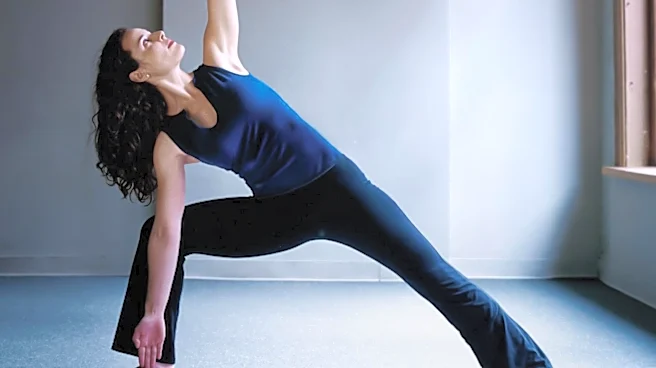
in China analyzed data from 30 randomized controlled trials involving over 2,500 adults across various ages and countries. The study concluded that two high-intensity yoga sessions per week, lasting up to 30 minutes each, for 8–10 weeks, constituted the 'optimal exercise prescription' for poor sleep. High-intensity yoga is characterized by a faster flow between poses, utilizing body weight for resistance. Other beneficial exercises included walking and resistance training, but high-intensity yoga showed a 'significantly superior' effect compared to aerobic exercise.
Why It's Important?
This research provides valuable insights for individuals in the U.S. struggling with sleep disturbances, offering a specific and actionable exercise recommendation. Given the widespread issue of poor sleep quality, which can negatively impact overall health, productivity, and quality of life, identifying an optimal exercise regimen is crucial. The findings suggest that not all exercises are equally effective for sleep improvement, guiding individuals and healthcare providers toward more targeted interventions. The emphasis on high-intensity yoga, which combines physical exertion with breath control, highlights the potential role of mind-body practices in addressing sleep issues. This could lead to increased adoption of yoga as a therapeutic tool for sleep, potentially reducing reliance on pharmacological interventions and promoting a more holistic approach to health.
What's Next?
The findings suggest a need for further high-quality research to confirm these results and explore the underlying mechanisms by which high-intensity yoga improves sleep. While the meta-analysis points to yoga's effectiveness, it does not fully explain why it is particularly beneficial. Future studies could investigate the role of breath control, resistance, and brainwave activity regulation in promoting deeper sleep. Healthcare professionals and sleep specialists in the U.S. may begin to incorporate high-intensity yoga recommendations into their patient care plans for individuals with sleep disturbances. Fitness centers and wellness programs might also expand their offerings to include more high-intensity yoga classes tailored for sleep improvement. Individuals experiencing sleep issues are advised to consult with a doctor to determine the best course of action, which may include incorporating this type of exercise.
Beyond the Headlines
The study's focus on high-intensity yoga challenges the common perception of yoga as solely a gentle, low-impact activity. It underscores the diverse nature of yoga practices and their varied physiological impacts. This could lead to a broader understanding and acceptance of yoga within the scientific and medical communities as a legitimate and potent form of exercise for specific health outcomes. The emphasis on resistance and breath control in high-intensity yoga also aligns with emerging research on the benefits of strength training and mindful practices for overall well-being. This development could encourage a more integrated approach to health, where physical activity is viewed not just for cardiovascular fitness or weight management, but also as a powerful tool for mental health and sleep regulation, fostering a more holistic view of health and wellness.