


What's Happening?
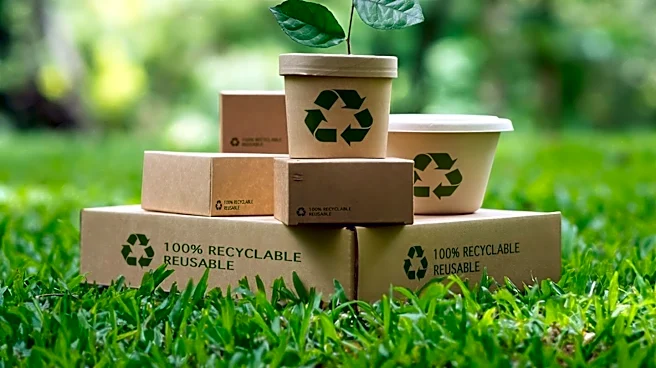
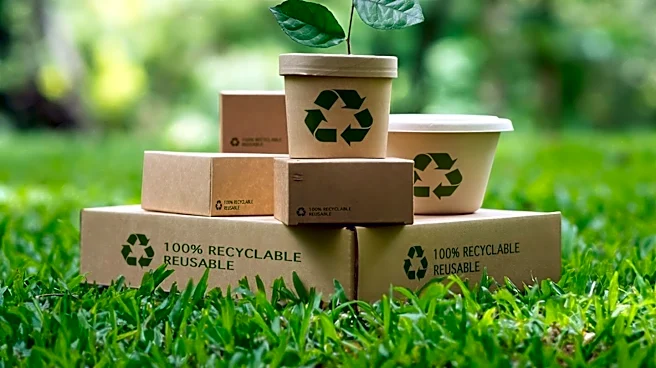
Pure Earth, an Australian natural hair, body, and skincare brand, is committed to sustainability by packaging all its products in refillable aluminum or glass containers, utilizing reusable pumps. The brand's formulas are produced in a carbon-neutral
facility in Australia, and 1% of every sale is donated to One Tree Planted. Pure Earth offers 5-liter bulk refills, which they highlight as their highest-impact option, replacing ten 500ml bottles and significantly reducing waste. The company acknowledges that while aluminum production is energy-intensive, its advantage lies in its indefinite reusability and recyclability. They also emphasize that plastic downcycles and eventually ends up in landfills, whereas aluminum retains its quality through recycling.
Why It's Important?
Pure Earth's commitment to refillable packaging and sustainable practices addresses critical environmental concerns within the beauty industry, particularly plastic pollution. By choosing aluminum and glass over plastic, the brand champions materials that can be recycled indefinitely without quality degradation, contrasting with plastic's downcycling limitations. This approach provides consumers with a tangible way to reduce their environmental footprint, aligning with growing demand for eco-conscious products. The brand's transparency about the energy intensity of aluminum production, while still advocating for its long-term benefits, fosters trust and educates consumers on the complexities of sustainable choices. This model could influence other brands to adopt similar packaging strategies, pushing the industry towards more circular economy principles.
What's Next?
As consumer awareness and demand for sustainable beauty products continue to rise, Pure Earth's model of refillable aluminum and glass packaging is likely to gain further traction. The brand may expand its product lines and refill options, potentially exploring partnerships to broaden its reach. Other beauty companies might increasingly adopt similar packaging solutions, leading to a more widespread availability of refillable products in the market. This could also spur innovations in sustainable packaging materials and closed-loop systems. Furthermore, increased consumer education on the benefits of materials like aluminum over plastic in terms of true recyclability could shift purchasing habits more decisively towards brands prioritizing such solutions.
Beyond the Headlines
Pure Earth's strategy goes beyond simply offering eco-friendly products; it challenges the fundamental assumptions of convenience and disposability in the beauty industry. By promoting bulk refills and durable packaging, the brand encourages a more mindful consumption pattern, where the product container is seen as a long-term asset rather than a single-use item. This approach has broader implications for waste management systems, potentially reducing the burden on recycling facilities and landfills. Ethically, it positions the brand as a leader in corporate responsibility, demonstrating that profitability and environmental stewardship can coexist. This could inspire a deeper industry-wide conversation about product lifecycle, supply chain ethics, and the true cost of beauty to the planet.