




What's Happening?
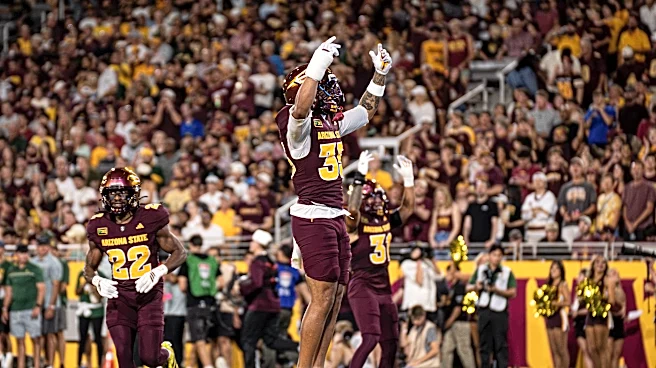
Matthew Mayich, a student athlete at Arizona State University (ASU) and a prospect for the St. Louis Blues, is on life support after suffering exertional heat stroke during a hockey practice on August 20. The practice, led by guest trainer Tim Ziesel,
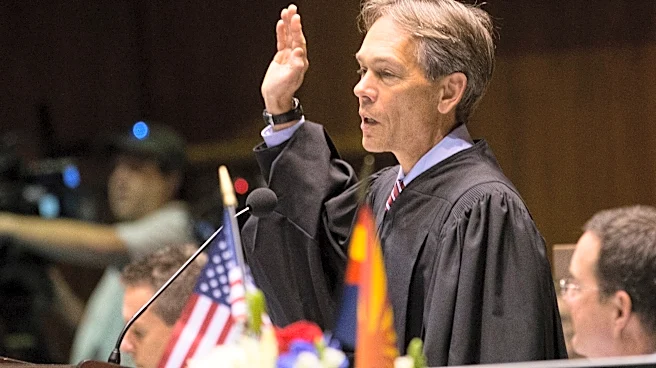
took place in Tempe, Arizona, with temperatures in the mid-80s and approaching 90 degrees Fahrenheit. Mayich reportedly struggled, stumbled, and fell during a medicine ball run, with his condition deteriorating despite initial treatment with iced towels and cool water. His family's lawyer, Robert Carey, stated that Mayich's recovery is uncertain. Teammates have alleged that the university did not follow its own heat policy, claiming the workout lasted longer than reported, and critical precautions like immersion tubs, ice chests, and on-field heat measurements were absent. ASU has initiated an independent review led by former Arizona Supreme Court Chief Justice Scott Bales.
Why It's Important?
This incident highlights critical issues surrounding athlete safety, particularly in the context of extreme heat exacerbated by climate change. Exertional heat stroke is a leading cause of preventable sports deaths, and the lack of consistent policy adoption and implementation across different athletic levels puts athletes at risk. The allegations of policy violations at ASU, a major university, underscore a systemic problem where established best practices for preventing and treating heat illness are not always followed. This event could prompt increased scrutiny of heat safety protocols in collegiate sports nationwide, potentially leading to stricter enforcement of guidelines and greater accountability for athletic programs. The case also draws parallels to past tragedies, such as the death of NFL player Korey Stringer, emphasizing that despite decades of research and awareness, gaps in athlete protection persist.
What's Next?
Arizona State University's independent review, led by Scott Bales, is expected to conclude by early December. However, Mayich's family is advocating for a broader investigation into the specific events of the practice and potential violations of university, athletic conference, or NCAA rules. This could lead to further legal action and calls for greater transparency. The incident may also spur the NCAA to move beyond voluntary guidelines and implement mandatory heat safety protocols for all member institutions, similar to the stricter policies seen in some professional leagues and high school associations. There will likely be increased pressure on sports organizations at all levels to adopt and rigorously enforce measures such as wet bulb globe temperature monitoring, mandatory acclimatization periods, and the availability of cold-water immersion for immediate treatment of heat stroke. The outcome of this case could set new precedents for athlete welfare and institutional responsibility in sports.
Beyond the Headlines
Beyond the immediate tragedy, Mayich's case brings to light the ethical responsibilities of sports organizations to protect their athletes, especially as climate change intensifies extreme weather conditions. The reliance on synthetic turf, which can reach dangerously high temperatures, further complicates heat safety. This incident also exposes the disparity in heat safety policies between professional, collegiate, and youth sports, with lower levels often lacking adequate resources and mandates. The resistance to stronger policies, often due to concerns about cost or competitive disadvantage, raises questions about the prioritization of athlete well-being over other considerations. The long-term implications could include a re-evaluation of training methodologies, increased investment in athletic medical staff and equipment, and a cultural shift towards prioritizing athlete health and safety above all else, potentially influencing how sports are conducted in hot climates globally.