






What's Happening?
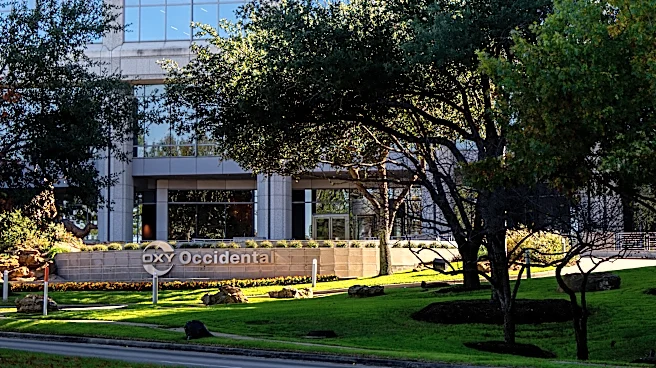
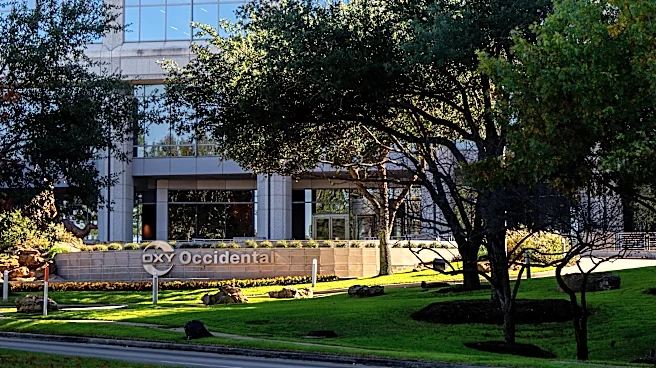
Occidental Petroleum Corporation (NYSE:OXY) has reported third-quarter earnings that surpassed analyst expectations, alongside a major milestone in debt reduction. The company has retired a substantial amount of debt this year, largely facilitated by
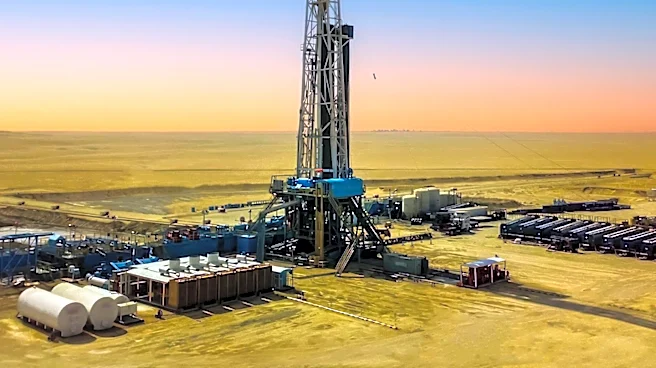
the sale of its OxyChem chemicals business. Despite a decline in earnings from a record second quarter, strong production from the Permian Basin helped to offset disruptions experienced in the Gulf of America. Occidental Petroleum is a prominent U.S. oil and gas producer with extensive operations across the Permian Basin, Rockies, Gulf of America, and the Middle East, in addition to its midstream and low-carbon ventures. The company's stock has seen a 31.2% return since the beginning of the calendar year, outperforming the Oils-Energy sector average of 20.6% year-to-date. The Zacks Consensus Estimate for OXY's full-year earnings has increased by 21.3% over the past quarter, indicating an improving earnings outlook.
Why It's Important?
Occidental Petroleum's significant debt reduction and strong financial performance are crucial indicators for the U.S. energy sector. A reduced debt load positions the company more favorably than its highly leveraged competitors, especially as crude prices have eased from earlier highs. This financial flexibility allows Occidental to better navigate market fluctuations and potentially engage in countercyclical share repurchases in the future, as stated by management. The company's focus on lowering costs and sustaining capital, coupled with its large-scale exposure to the Permian Basin, makes it an attractive prospect for energy investors. Furthermore, Occidental's growing low-carbon business, which includes carbon capture and direct air capture projects for enhanced oil recovery and storage, highlights a strategic shift towards new revenue streams in response to increasing demand for carbon removal technologies. This dual focus on traditional oil and gas production and innovative low-carbon solutions could set a precedent for other U.S. energy companies.
What's Next?
Occidental Petroleum plans to continue prioritizing debt reduction, aiming for a new, lower debt target as its next financial milestone. The company has guided for fourth-quarter production to be above the previous quarter's range, indicating continued operational strength. Management will maintain its focus on disciplined investment rather than aggressive volume growth, alongside efforts to lower sustaining capital. While tax payments related to the OxyChem sale have consumed significant cash this year, these are expected to decline as they are tied to discontinued operations. Investors will be closely monitoring key indicators such as oil prices, further debt reduction progress, Permian production levels, the recovery of Gulf of America operations, and any future share repurchase plans. The company's low-carbon strategy, particularly the development of carbon capture projects, will also be a critical area to watch for its potential to generate new revenue streams and contribute to environmental sustainability goals.
Beyond the Headlines
The strategic moves by Occidental Petroleum, particularly its aggressive debt reduction following the OxyChem sale and its investment in low-carbon technologies, reflect broader shifts within the U.S. energy industry. The company's ability to transform its balance sheet provides a blueprint for other energy firms grappling with debt and the transition to a more sustainable future. The emphasis on carbon capture and direct air capture projects not only addresses environmental concerns but also positions Occidental to capitalize on emerging markets for carbon removal. This dual approach of optimizing traditional fossil fuel operations while simultaneously investing in green technologies highlights the complex challenges and opportunities facing the energy sector. The involvement of major investors like Berkshire Hathaway further underscores the perceived value and strategic importance of Occidental's direction, potentially influencing investment trends across the industry as companies seek to balance profitability with environmental responsibility.