



What's Happening?
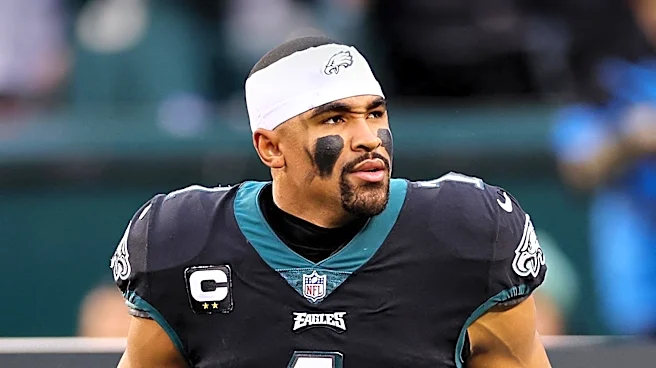
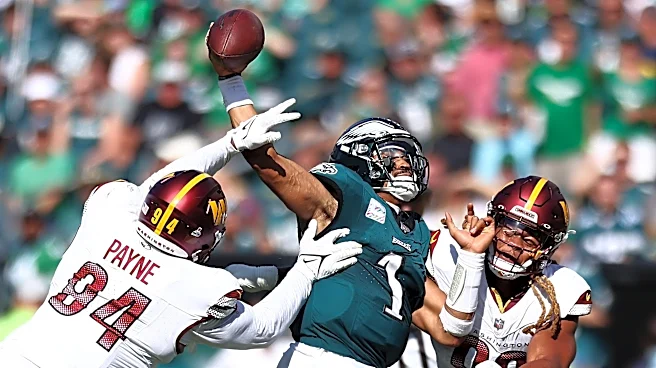
Philadelphia Eagles quarterback Jalen Hurts has been ruled out for the remainder of the season after being diagnosed with deep vein thrombosis and bilateral pulmonary emboli. The injury originated from an incident in Week 4 against the Los Angeles Rams,
where Hurts was cleated on his calf, which "provoked" a blood clot. Initially, specialists in London detected a superficial clot in his left calf, and despite this diagnosis, Hurts was cleared to play against the Jacksonville Jaguars on October 11. A subsequent ultrasound on October 14 revealed the clot had moved, leading to the more severe diagnosis of deep vein thrombosis with pulmonary emboli, meaning blood clots in both of his lungs. The Eagles released a statement on October 19, confirming Hurts is "clinically stable" and will undergo treatment involving blood thinners. The NFL and the NFL Players Association are jointly reviewing the care Hurts received and the decision to clear him for the London game.
Why It's Important?
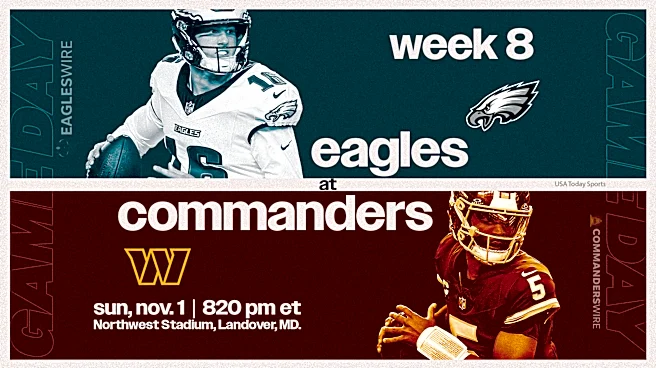
The season-ending injury to Jalen Hurts significantly impacts the Philadelphia Eagles' playoff aspirations, as they were initially considered strong contenders. His absence forces the team to rely on backup quarterbacks, including Tanner McKee and Joe Milton, drastically altering their offensive strategy and performance outlook. The Eagles have already experienced a four-game losing streak, falling behind the Washington Commanders in the NFC East. Beyond the team's immediate performance, this incident raises critical questions about player safety protocols within the NFL. The joint review by the NFL and NFL Players Association highlights concerns regarding medical clearance procedures, especially after an initial diagnosis of a blood clot. This situation could lead to re-evaluations of how player injuries, particularly those with potential life-threatening complications like blood clots, are managed and monitored across the league, affecting all players.
What's Next?
Jalen Hurts is expected to make a full recovery and will have the opportunity to resume contact football activities once he is off blood thinners, though a specific return timeline has not been announced. The NFL and the NFL Players Association's joint review of Hurts' care and clearance to play in London is ongoing. This review could result in updated medical protocols or stricter guidelines for managing player injuries, particularly those involving blood clots and travel. For the Eagles, Tanner McKee has taken over as the starting quarterback, and the team's performance for the rest of the season will largely depend on his and the team's ability to adapt to Hurts' absence. The outcome of the NFL's review may influence future medical decisions for players across the league, potentially leading to enhanced safety measures.
Beyond the Headlines
This incident with Jalen Hurts underscores a broader concern within professional sports regarding the balance between player health and competitive demands. The initial clearance to play despite a diagnosed blood clot, followed by the worsening condition, highlights potential systemic pressures on medical staff and players to remain on the field. This situation could ignite a more extensive discussion about the culture of playing through injuries in the NFL and the adequacy of current medical oversight. It also brings to light the risks associated with long-haul travel for athletes with certain medical conditions, such as blood clots. The outcome of the joint NFL and NFLPA review could set a precedent for how player health is prioritized, potentially leading to significant changes in medical clearance policies and a re-evaluation of the incentives that might encourage players to downplay serious health concerns.