






What's Happening?
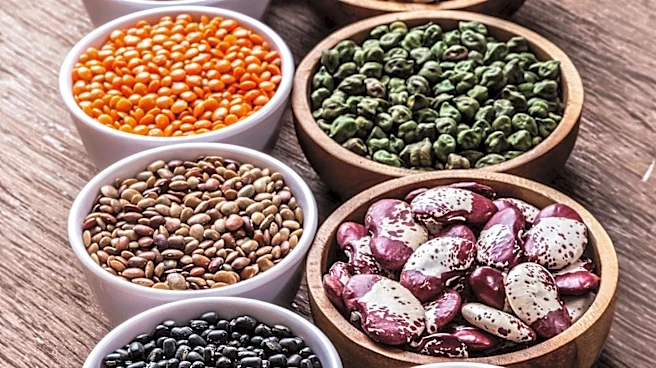
Eating beans daily can be a healthy practice due to their rich content of fiber, protein, vitamins, and minerals, according to registered dietitian Natalie Rizzo. Beans are a staple in many healthy dietary patterns, including the Mediterranean diet, and contribute
to heart, brain, and gut health. They are also packed with polyphenols, which have antioxidant properties. However, beans are known to cause gastrointestinal side effects like gas and bloating, primarily due to oligosaccharides that are not fully digested in the small intestine and are fermented by gut bacteria in the large intestine. To mitigate discomfort, Rizzo advises starting with a small serving (half a cup) daily and gradually increasing the amount. It is also crucial to increase water intake when boosting fiber consumption to aid digestion and ensure variety in bean types to benefit from different nutritional profiles and support microbial diversity.
Why It's Important?
In the U.S., where many individuals do not consume enough fiber, incorporating beans daily can significantly improve dietary intake and overall health. The combination of protein and fiber in beans helps promote satiety, which can be beneficial for weight management and blood sugar regulation, addressing prevalent health concerns like obesity and type 2 diabetes. The support for gut health, through diverse fibers and prebiotics, is critical for a healthy microbiome, which is increasingly linked to various aspects of well-being, including immunity and mental health. By providing an affordable and versatile source of essential nutrients, beans can play a vital role in promoting accessible and sustainable healthy eating habits across diverse socioeconomic groups.
What's Next?
Public health campaigns and dietary guidelines could emphasize the benefits of daily bean consumption, providing practical advice on gradual introduction and adequate hydration to manage potential side effects. Nutrition education programs could highlight the versatility of beans in various cuisines and offer recipes to encourage diverse consumption. Further research might explore specific strategies to reduce the gastrointestinal discomfort associated with beans, such as different preparation methods or specific types of beans that are better tolerated. Encouraging a variety of plant foods, including different types of beans, will remain a key recommendation to support a diverse and resilient gut microbiome.
Beyond the Headlines
The discussion around daily bean consumption touches upon the broader theme of integrating plant-based foods into the American diet. Beyond their nutritional value, beans represent an environmentally sustainable protein source, offering a lower carbon footprint compared to animal proteins. Promoting their regular consumption aligns with efforts to shift towards more sustainable food systems. The emphasis on listening to one's body and making gradual dietary changes also highlights a personalized approach to nutrition, acknowledging individual differences in digestive tolerance. This nuanced perspective moves beyond rigid dietary rules, encouraging mindful eating and a deeper understanding of how different foods interact with individual physiology, ultimately fostering a more intuitive and sustainable relationship with food.