


What's Happening?
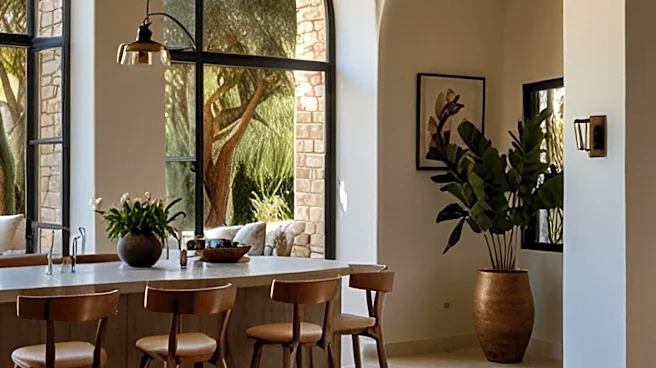
Modern Mediterranean interior design is gaining traction for its ability to blend the warmth and texture of traditional Mediterranean homes with the cleaner lines and visual restraint of contemporary interiors. This style focuses on creating a coherent
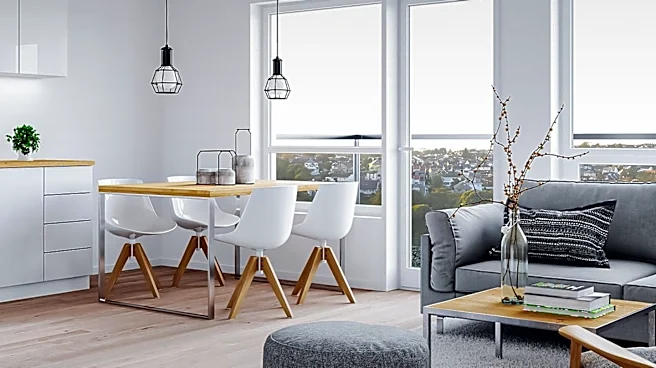
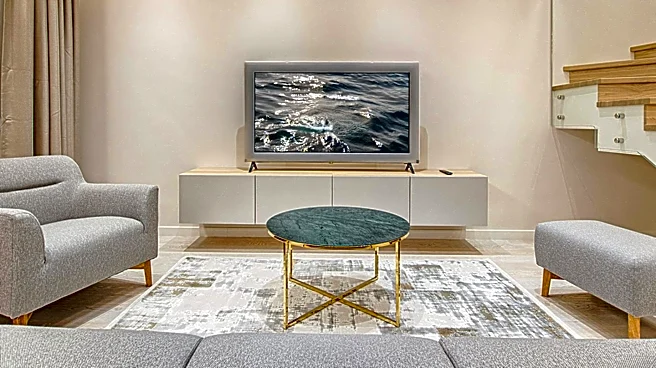
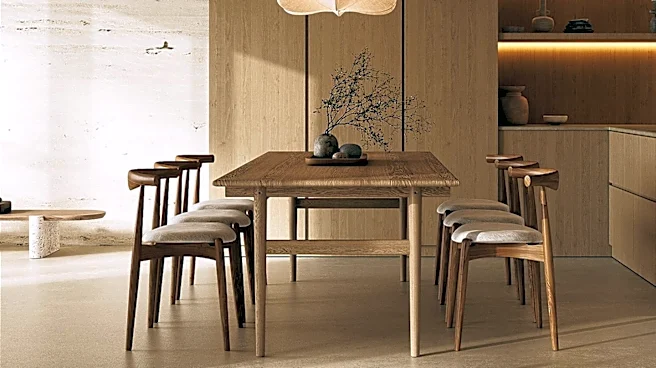
space using warm neutrals, mineral-inspired surfaces, natural wood, tactile fabrics, and simpler furniture. Unlike traditional Mediterranean design, which often features rich patterns, stronger colors, and decorative ironwork, the modern interpretation prioritizes editing and subtlety. For instance, a room might use one warm stone table, cream upholstery, a walnut cabinet, and a few ceramic pieces, rather than filling every surface with decorative references. The approach is to build the look through consistent material cues, ensuring that open-plan living and dining areas feel connected without requiring matching furniture. Color palettes typically start quietly with cream, sand, warm white, and soft beige, using stronger earth tones like olive, clay, or ochre as accents.
Why It's Important?
This design trend is significant for the U.S. interior design and home furnishings industries as it offers a sophisticated yet accessible aesthetic for homeowners seeking warmth and timelessness without a rustic or overly themed feel. The emphasis on natural materials and restrained palettes aligns with broader consumer preferences for sustainable and minimalist design. For open-concept living spaces, which are prevalent in modern U.S. homes, this style provides practical solutions for defining areas and maintaining visual cohesion. It encourages consumers to invest in quality, versatile pieces rather than numerous small, themed accessories, potentially influencing purchasing habits towards more durable and adaptable furniture. The style's adaptability to existing architecture means it can be implemented without extensive remodeling, making it an attractive option for a wider demographic.
What's Next?
The continued popularity of Modern Mediterranean design suggests a future where interior aesthetics prioritize comfort, functionality, and a connection to natural elements. Designers and retailers are likely to see increased demand for furniture and decor that fit this aesthetic, such as matte stone surfaces, warm walnut wood, linen-like weaves, and ceramic pieces. The trend also highlights a move away from overly specific or 'themed' decor towards more integrated and subtle design cues. This could lead to innovations in material science, offering stone-look or wood-grain alternatives that are durable and easy to maintain. Furthermore, the focus on creating cohesive open-plan spaces will likely drive demand for furniture that can serve multiple functions or be easily reconfigured, supporting the dynamic needs of modern households.
Beyond the Headlines
Beyond its aesthetic appeal, Modern Mediterranean interior design reflects a deeper cultural yearning for tranquility and connection to nature in an increasingly fast-paced world. The use of earth tones, natural textures, and abundant light can contribute to a sense of calm and well-being within the home, aligning with principles of biophilic design. This style also subtly challenges the consumerist impulse to constantly redecorate, instead advocating for a more curated and enduring approach to home decor. By focusing on material quality and timeless shapes, it promotes a form of conscious consumption, where pieces are chosen for their longevity and ability to integrate seamlessly into evolving living spaces. This shift could have long-term implications for how Americans perceive and interact with their domestic environments, fostering a greater appreciation for understated elegance and functional beauty.