




What's Happening?
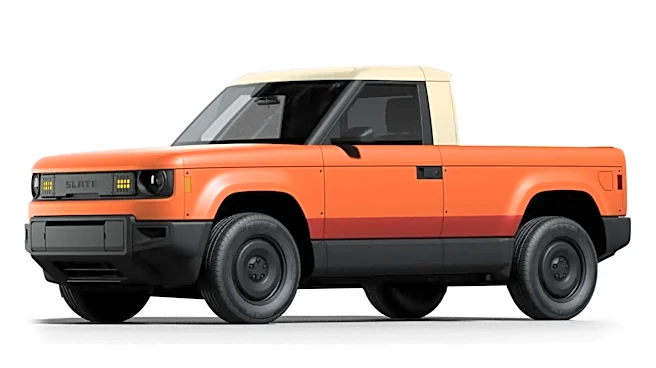
Slate Auto has revealed the pricing for its new American-made electric pickup truck, setting the base price at $24,950. This announcement comes nearly a year after the company adjusted its initial pricing target due to the Trump administration's decision
to end the $7,500 federal EV tax credit. Preorders for the truck are now open, with production slated to begin in autumn 2026. Customers can secure a delivery date with a $300 non-refundable deposit within the next 30 days. The truck is positioned as a cost-effective option in the electric vehicle market, with its price point being lower than the average new and used vehicle prices in the U.S. Slate Auto has reportedly received approximately 180,000 reservations for the truck, indicating strong consumer interest.
Why It's Important?
The introduction of Slate Auto's affordable electric truck is significant in the context of the U.S. automotive market, particularly as it addresses the growing demand for cost-effective electric vehicles. The end of the federal EV tax credit could have made electric vehicles less accessible to consumers, but Slate's pricing strategy aims to mitigate this impact. By offering a competitively priced electric truck, Slate Auto is poised to capture a segment of the market that is sensitive to price changes, potentially influencing other manufacturers to reconsider their pricing strategies. This move could also accelerate the adoption of electric vehicles in the U.S., contributing to broader environmental goals and reducing reliance on fossil fuels.
What's Next?
As Slate Auto prepares to begin production in late 2026, the company will need to manage the high volume of preorders and ensure timely deliveries. The automotive industry will be watching closely to see if Slate can maintain its low pricing while meeting production demands. Additionally, the end of the federal EV tax credit may prompt other manufacturers to adjust their pricing or offer alternative incentives to remain competitive. The success of Slate's truck could lead to increased competition in the affordable electric vehicle market, potentially driving innovation and further price reductions.