







What's Happening?
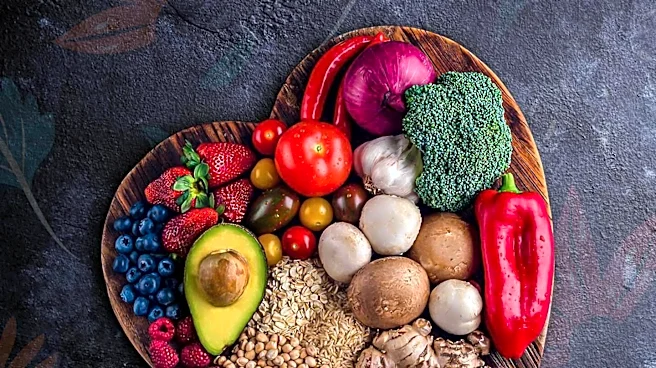
Prebiotics are compounds found in certain foods that are utilized by microorganisms in the gut, effectively 'feeding' beneficial gut microbes. Many common plant-based foods naturally contain these prebiotic fibers, making them easily accessible without
the need for specialized products. Examples include onions, garlic, leeks, asparagus, bananas (especially less-ripe ones), oats, barley, beans, lentils, soybeans/edamame, apples, flaxseed, chia seeds, whole wheat, and Jerusalem artichokes. These foods contain various fermentable carbohydrates like fructans (inulin-type compounds), resistant starch, beta-glucan, and pectin. The key is to incorporate a variety of these foods gradually into the diet, as sudden increases in fiber can cause digestive discomfort.
Why It's Important?
The widespread availability and affordability of plant-based prebiotic foods have significant implications for public health and the food industry in the U.S. This information empowers consumers to improve their gut health through everyday dietary choices, potentially reducing reliance on expensive supplements. For the food industry, it highlights opportunities to promote and innovate with common ingredients, emphasizing their natural prebiotic content. This approach supports a shift towards healthier eating patterns and can help address issues like fiber deficiency in the American diet. Furthermore, it underscores the importance of dietary diversity and gradual changes, which can lead to more sustainable and comfortable improvements in digestive health for a broader population.
What's Next?
Expect continued emphasis on integrating plant-based prebiotic foods into daily diets through public health campaigns and dietary guidelines. The food industry may further highlight the prebiotic content of existing products and develop new ones that naturally incorporate these fibers. There will likely be an ongoing focus on educating consumers about the specific types of prebiotic fibers and their sources, as well as guidance on how to gradually increase fiber intake to avoid discomfort. Research will continue to explore the precise benefits of different plant-based prebiotics on the gut microbiome and overall health, potentially leading to more tailored dietary recommendations for various health conditions.
Beyond the Headlines
The accessibility of plant-based prebiotics underscores a fundamental principle of nutrition: that many health benefits can be derived from a diverse, whole-food diet. This challenges the notion that optimal health requires expensive or exotic supplements. Ethically, promoting these natural sources can help democratize gut health, making it attainable for a wider range of socioeconomic groups. Culturally, it encourages a return to traditional diets rich in plant fibers, moving away from highly processed foods that often lack these beneficial compounds. This shift has the potential to foster a more sustainable food system and a healthier relationship with food, where everyday meals are recognized as powerful tools for well-being.