


What's Happening?
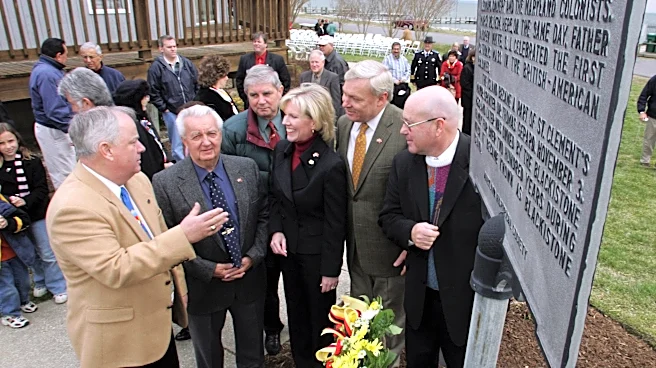
A highway marker has been unveiled in Fredericksburg, Virginia, to commemorate Link Wray's groundbreaking instrumental song, "Rumble." The marker, located at the corner of Fall Hill and Emancipation Highway, recognizes the site where Wray first improvised
the guitar riff that would become the iconic song. According to Fredericksburg Mayor Kerry Devine, "Rumble" was the only instrumental ever banned by some radio DJs due to fears it would incite teen violence. Delegate Josh Cole noted that Wray's arrival marked a significant shift in rock and roll, which was previously clean and melodic. The marker's unveiling fulfills a nearly decade-long dream for Wray's family, led by his daughter Beth Wray Webb. The event also highlighted Wray's Shawnee heritage, as he is recognized as the first Native American artist to achieve a top 10 hit. The ceremony, held during Native American Heritage Month, included a presentation of colors by Rene Locklear White of the Lumbee Nation and Chris ComeswithClouds White of the Cherokee Nation.
Why It's Important?
The dedication of this marker is important for several reasons, primarily recognizing the profound and often underappreciated impact of Link Wray's "Rumble" on American music history. The song is credited with influencing genres such as punk, heavy metal, and grunge, fundamentally altering the sound of rock and roll. By publicly acknowledging its origins in Fredericksburg, the marker helps to solidify the city's place in this significant cultural development. Furthermore, the recognition of Wray's Shawnee heritage brings attention to the contributions of Native American artists to mainstream music, a demographic often overlooked in historical narratives. This initiative not only celebrates a musical pioneer but also promotes a more inclusive understanding of American cultural heritage, potentially inspiring future generations and fostering a deeper appreciation for diverse artistic influences.
What's Next?
The newly installed highway marker is expected to serve as a permanent tribute, educating locals and visitors about Link Wray's legacy and the historical significance of "Rumble." State Senator Tara Durant expressed hope that the marker will ensure more people learn about Wray's contributions. The recognition during Native American Heritage Month could also encourage further exploration and celebration of Native American artists and their impact on various cultural fields. Wray's grandson, Chris Webb, performed his grandfather's songs at the unveiling, suggesting that the family will continue to champion his musical and cultural heritage. This public acknowledgment may also lead to increased tourism to Fredericksburg, as music enthusiasts seek to visit the birthplace of such an influential sound.
Beyond the Headlines
Beyond its immediate recognition of a musical milestone, the "Rumble" marker touches upon deeper themes of cultural censorship and the evolution of artistic expression. The fact that the instrumental was banned by some radio DJs for fear of inciting violence underscores the powerful, visceral reaction it provoked and its challenge to the prevailing norms of the time. This historical context highlights how groundbreaking art often pushes boundaries and can be met with resistance before eventually being embraced as foundational. The emphasis on Wray's Native American heritage also brings to light the ongoing effort to ensure that the contributions of marginalized communities are properly acknowledged and integrated into the broader cultural narrative, fostering a more complete and equitable understanding of American history and its diverse influences.