






What's Happening?
The Maine Potato Board is actively driving modernization within the state's potato industry, focusing on advanced storage solutions and the integration of drone technology. Under the leadership of individuals like George McLaughlin, who oversaw significant
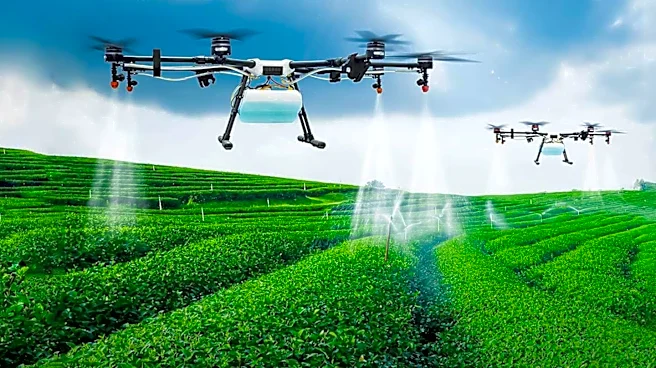
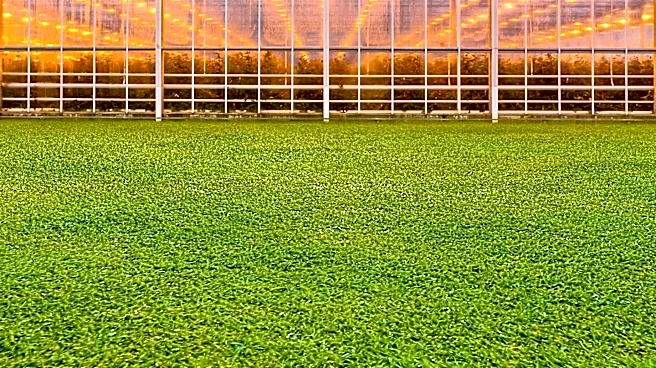
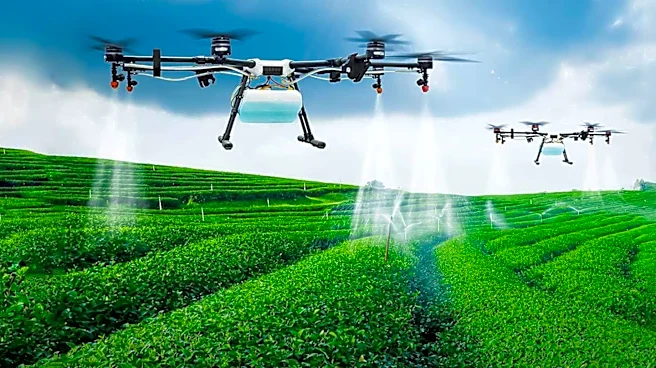
infrastructure developments, potato storage facilities across Maine have been upgraded. These modern buildings are highly insulated and feature sophisticated climate control systems, which extend the shelf life of potatoes and ensure year-round availability for processors. The Board has facilitated these upgrades by designing facilities and providing financial assistance through the Potato Marketing Improvement Fund. Additionally, the industry is exploring drone technology, with agricultural engineer Curtis Harrison and program coordinator Izabelle Higgins piloting a program to use drones for detecting problem areas in fields, such as beetle infestations, fungal issues, or nutrient deficiencies. Drones are also being deployed for localized spraying of fungicides, insecticides, or herbicides, offering cost savings and environmental benefits.
Why It's Important?
These modernization efforts by the Maine Potato Board are crucial for the sustained health and competitiveness of the state's potato industry. The advanced climate-controlled storage facilities enable Maine potato growers to meet the year-round demand from processors, which is essential for remaining viable in a competitive market. This ensures a consistent supply chain and helps stabilize farmer incomes. The adoption of drone technology represents a significant leap in precision agriculture. By allowing for faster and more accurate identification of field issues, drones can help farmers optimize resource use, reduce waste, and minimize environmental impact through targeted treatments. This not only improves crop health and yield but also enhances the economic efficiency of farming operations, positioning Maine's potato industry at the forefront of agricultural innovation.
What's Next?
The Maine Potato Board plans to continue its efforts in integrating advanced technologies and sustainable practices. The current drone pilot program is intended to serve as a proof of concept, building a data repository that will enhance future drone analysis and disease detection capabilities. As this technology matures, it is expected to be more widely adopted by growers across the state, leading to more efficient and environmentally friendly farming practices. The Board will also likely continue to support growers in financing and implementing modern storage systems. Further research into profitable crop rotations and disease management, led by specialists like pathologist Andrew Plant and agronomist Jake Dyer, will remain a priority to ensure the long-term sustainability and resilience of Maine's potato industry against evolving pests and diseases.
Beyond the Headlines
The Maine Potato Board's proactive approach to modernization reflects a broader trend in U.S. agriculture where traditional farming practices are being augmented by high-tech solutions. The shift towards climate-controlled storage and drone technology signifies a move from reactive to proactive farm management, emphasizing efficiency, sustainability, and data-driven decision-making. This transformation has implications beyond just potato farming; it serves as a model for other agricultural sectors facing similar challenges of market demand, environmental stewardship, and disease management. The Board's role in providing both technical expertise and financial support highlights the importance of industry-specific organizations in facilitating technological adoption among farmers, ensuring that even smaller operations can access and benefit from cutting-edge innovations. This integrated approach is vital for the long-term economic and ecological viability of regional agricultural economies.