

What's Happening?
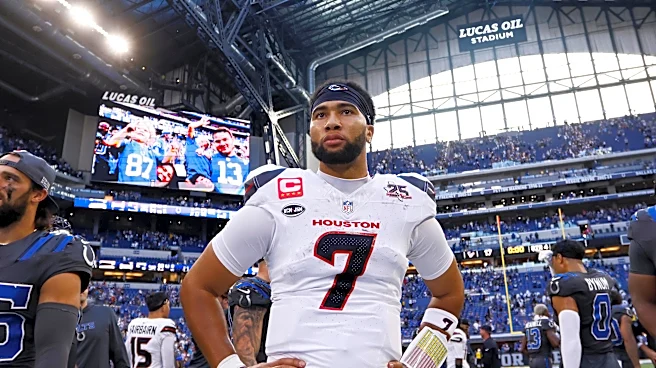
Carlie Irsay-Gordon, owner and CEO of the Indianapolis Colts, has announced plans for significant renovations to Lucas Oil Stadium and the redevelopment of its surrounding downtown Indianapolis area. Speaking at the SBJ AXS DRIVE conference, Irsay-Gordon emphasized
the need to 'finish what we started' regarding the stadium's vicinity, which she noted has remained underdeveloped since the stadium opened in 2008, coinciding with the Great Recession. The vision includes not only upgrading the stadium itself with more seating, improved food and beverage options, and enhanced audio-visual capabilities, but also integrating various new developments to create a more walkable and appealing downtown footprint. The Colts have reportedly acquired nine acres of land in the area, indicating a broader real estate development strategy. This initiative aims to transform the area from its current state, which Irsay-Gordon humorously described as lacking amenities like craft cocktails, into a vibrant district.
Why It's Important?
This proposed redevelopment holds significant importance for Indianapolis, impacting its urban landscape, economy, and public-private partnerships. The project, which will require public financial support, signifies a major investment in the city's infrastructure and could serve as a catalyst for further economic growth. By connecting various new developments, the plan aims to enhance the downtown experience, potentially attracting more residents, businesses, and tourists. For the Colts, a new headquarters and practice facility closer to the stadium could improve operational synergies and further integrate the team into the downtown fabric. The initiative also highlights the ongoing challenge of urban development around large sports venues, particularly in areas that have lagged since economic downturns. Success in this endeavor could set a precedent for other cities looking to revitalize their downtown cores through sports-anchored developments.
What's Next?
The next steps for this ambitious project involve securing public financial support and developing detailed plans for the renovations and real estate development. Carlie Irsay-Gordon indicated that many community and political leaders recognize the need to address the underdeveloped area, suggesting potential collaboration and support from various stakeholders. The Sports Business Journal reports that the stadium renovations will focus on increasing seating, improving concessions, and upgrading technology. Additionally, the development could include a new Colts headquarters and practice facility, potentially relocating from its current site 11 miles away. The team's acquisition of nine acres of land signals a concrete move towards realizing this long-term vision. The project will likely involve extensive planning, public consultations, and legislative processes to secure the necessary funding and approvals, with a focus on integrating the stadium and its surroundings into a cohesive downtown experience.
Beyond the Headlines
Beyond the immediate economic and urban development implications, this project touches upon the evolving role of professional sports franchises as anchors for broader community development. The Colts' initiative reflects a trend where sports teams are not just tenants of stadiums but active participants in shaping the urban environment around their venues. This move could foster a stronger sense of community identity and pride, linking the team's success more closely with the city's overall vibrancy. The emphasis on creating a walkable and integrated downtown footprint also speaks to contemporary urban planning philosophies that prioritize pedestrian-friendly spaces and mixed-use developments. Furthermore, the project's reliance on public financial support raises questions about the balance between private enterprise and public investment in large-scale urban renewal projects, and the long-term benefits and costs for taxpayers. The success of this endeavor could influence future development strategies for other NFL teams and cities.