





What's Happening?
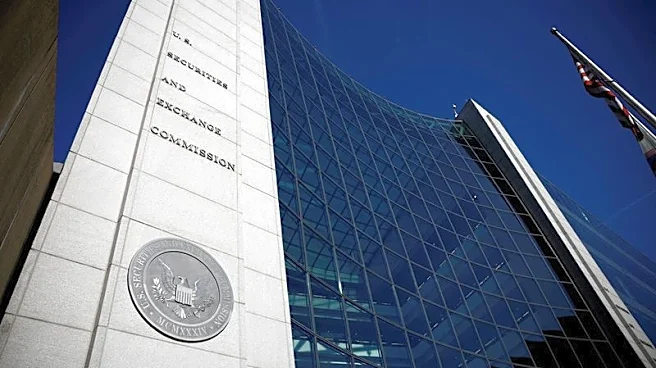
The U.S. Securities and Exchange Commission (SEC) has put forth proposed amendments to Rule 17a-7 under the Investment Company Act of 1940. These amendments aim to modernize and broaden the framework for cross-trading among registered funds. Specifically,
the proposal seeks to reinstate the ability for registered funds to cross-trade most fixed-income securities, a practice that was largely restricted following the adoption of the fund valuation rule in 2020. The original Rule 17a-7, established in 1966, permitted cross-trading of both equity and fixed-income securities with affiliates. The SEC's new proposal also includes updates to the conditions governing pricing and oversight, acknowledging advancements in market developments that have led to more verifiable and transparent pricing mechanisms. Additionally, the proposal mandates aggregated reporting of overall trading activity and cross-trades for registered funds participating in such transactions, enhancing transparency for investors.
Why It's Important?
These proposed rule changes are significant for the U.S. financial markets as they could lead to increased efficiency and cost savings for registered funds and their shareholders. By restoring the ability to cross-trade most fixed-income securities, funds can potentially bypass the costs associated with open market transactions, directly benefiting shareholders through reduced expenses. The modernization of pricing oversight reflects the SEC's adaptation to evolving market practices and technological advancements, ensuring that regulatory frameworks remain relevant and effective. The requirement for aggregated reporting will provide greater transparency into cross-trading activities, allowing for better scrutiny and understanding of these transactions. This move could also stimulate liquidity in certain fixed-income markets by facilitating internal transactions within fund complexes, potentially leading to more robust and stable market conditions for these securities.
What's Next?
The proposed amendments will be made available on SEC.gov and subsequently published in the Federal Register. Following its publication, a public comment period will be open for 60 days. During this period, stakeholders, including financial institutions, investors, and the public, will have the opportunity to submit their feedback and opinions on the proposed changes. The SEC will then review these comments before making a final decision on the adoption of the amendments. The outcome of this process could lead to significant adjustments in how registered funds manage their portfolios and execute trades, particularly concerning fixed-income securities. The final rule could influence investment strategies, operational procedures, and compliance requirements for a wide range of investment companies.
Beyond the Headlines
Beyond the immediate financial implications, these proposed changes highlight the ongoing tension between regulatory oversight and market efficiency. While cross-trading can offer cost benefits, it also presents potential conflicts of interest if not properly managed. The SEC's emphasis on modernized pricing oversight and aggregated reporting aims to mitigate these risks by ensuring fair valuation and transparency. This regulatory evolution reflects a broader trend in financial markets towards leveraging technology for better price discovery and transaction monitoring. The re-evaluation of Rule 17a-7 also underscores the dynamic nature of financial regulations, which must continuously adapt to market innovations and unforeseen consequences of previous rules. The long-term impact could include a more integrated and efficient internal trading environment for large fund complexes, potentially influencing competitive dynamics within the asset management industry.