





What's Happening?
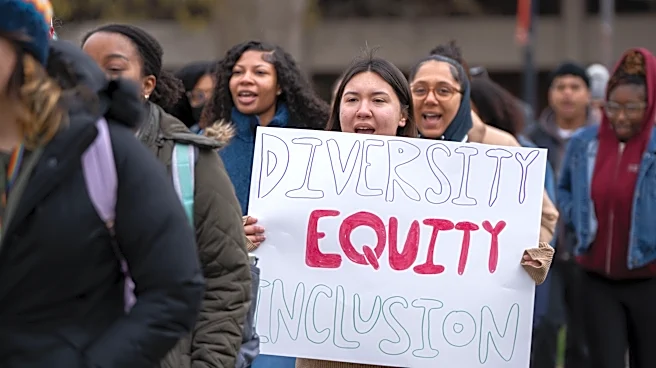
CohnReznick, a professional services firm specializing in advisory, assurance, and tax services, is actively promoting a hybrid work model and a commitment to diversity, equity, and inclusion in its hiring practices. The firm encourages its professionals
to work in the office or together in person an average of three days a week, allowing for intentional in-person collaboration while maintaining flexibility. CohnReznick states that it is an equal opportunity employer dedicated to building a diverse and inclusive workplace. They encourage individuals to apply for positions even if their experience does not perfectly align with every qualification listed in the job description, emphasizing that the right candidate might still be found for the role or other opportunities within the firm. This approach is part of their broader mission to create opportunity, value, and trust for their clients, employees, partners, and communities.
Why It's Important?
CohnReznick's emphasis on a hybrid work model reflects a significant trend in the U.S. business landscape, where companies are balancing employee demand for flexibility with the benefits of in-person collaboration. This model can impact talent acquisition and retention, as firms offering flexible arrangements may attract a wider pool of candidates. Furthermore, the firm's explicit commitment to diversity, equity, and inclusion in hiring is crucial for fostering a more representative workforce. By encouraging applications from individuals who may not meet every single qualification, CohnReznick aims to reduce unconscious bias in the recruitment process and tap into a broader range of skills and perspectives. This strategy can lead to enhanced innovation, improved problem-solving, and a stronger company culture, ultimately benefiting the firm's ability to serve its diverse client base and contribute positively to the broader economy.
What's Next?
CohnReznick will likely continue to refine its hybrid work policies based on evolving business needs and employee feedback, aiming to optimize productivity and employee satisfaction. The firm's ongoing commitment to inclusive hiring practices suggests a continuous effort to attract and retain a diverse talent pool, potentially leading to more varied skill sets and perspectives within its teams. This approach may also involve further investment in training and development programs to support employees in a hybrid environment and to foster an inclusive culture. As the firm grows, particularly through its operations in the Philippines, these policies will be critical in integrating new team members and maintaining a consistent global workforce strategy. CohnReznick's dedication to these principles will be a key factor in its ability to adapt to future market demands and maintain its competitive edge in the professional services sector.
Beyond the Headlines
CohnReznick's proactive stance on hybrid work and inclusive hiring extends beyond mere policy, touching upon deeper societal and economic shifts. The hybrid model challenges traditional notions of workplace presence, potentially redefining urban planning, transportation patterns, and the demand for commercial real estate in U.S. cities. For employees, it offers greater autonomy and work-life balance, which can lead to improved mental well-being and reduced burnout. The firm's encouragement for under-qualified candidates to apply addresses systemic barriers in hiring, particularly for marginalized groups, and promotes a more equitable distribution of opportunities. This approach could set a precedent for other professional services firms, fostering a broader industry-wide movement towards more flexible and inclusive employment practices. Ultimately, these initiatives contribute to a more adaptable and resilient workforce, better equipped to navigate the complexities of the modern economy.