



What's Happening?
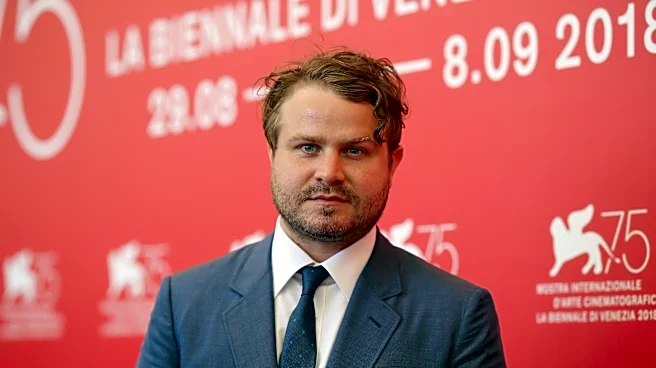
Filmmaker Brady Corbet has drawn criticism for his use of generative artificial intelligence (AI) in his film 'The Brutalist.' While the extent of AI use in 'The Brutalist' is described as minimal, it has still sparked debate within the film industry.
Corbet, also known for directing 'The Childhood of a Leader' and anticipated to direct 'The Origin of the World' in 2027, is among several filmmakers whose projects have come under scrutiny for incorporating AI. The discussion around Corbet's film highlights a broader industry concern regarding the ethical implications and perceived necessity of AI in creative processes, especially given the film's relatively modest budget of less than ten million dollars and its nearly four-hour runtime.
Why It's Important?
The use of generative AI in films like 'The Brutalist' is important because it reflects a growing tension within the U.S. film industry concerning technological advancements and their impact on traditional filmmaking practices and employment. While some argue that AI can offer solutions for budget and time constraints, others view any use of AI as a threat to human artistry and labor. This debate affects various stakeholders, including actors, writers, and visual effects artists, who fear job displacement and the devaluation of their creative contributions. The controversy surrounding Corbet's film, despite its 'minimal' AI use, underscores the industry's sensitivity to this issue and the potential for reputational damage for filmmakers who embrace AI, even in a limited capacity. It also sets a precedent for how audiences and critics might perceive films that utilize such technologies.
What's Next?
The ongoing discussion surrounding AI in filmmaking is likely to intensify as more projects incorporate these technologies. Industry guilds and unions may push for clearer guidelines and regulations regarding AI use to protect their members' interests. Filmmakers like Corbet might face continued scrutiny, potentially influencing future funding and distribution opportunities. The reception of 'The Brutalist' and other AI-enhanced films by critics and audiences will also play a crucial role in shaping the industry's stance on generative AI. This could lead to a bifurcation in filmmaking, with some productions openly embracing AI for efficiency and others strictly adhering to traditional methods to preserve artistic integrity and appeal to a segment of the audience that is wary of AI-generated content.
Beyond the Headlines
The controversy over AI in 'The Brutalist' touches upon deeper ethical and philosophical questions about the nature of art and creativity in the age of advanced technology. It raises concerns about authenticity and the human element in artistic expression. If AI becomes a standard tool, it could fundamentally alter the creative process, potentially leading to a homogenization of artistic styles or a reduction in the unique vision of individual artists. Legally, questions of copyright and ownership for AI-generated content are still largely unresolved, posing challenges for intellectual property rights in the film industry. Culturally, the acceptance or rejection of AI in film could reflect broader societal attitudes towards automation and its role in human endeavors, influencing how future generations perceive and consume media.